Blog
In-depth guides on posture, muscle imbalance, flexibility, and movement.
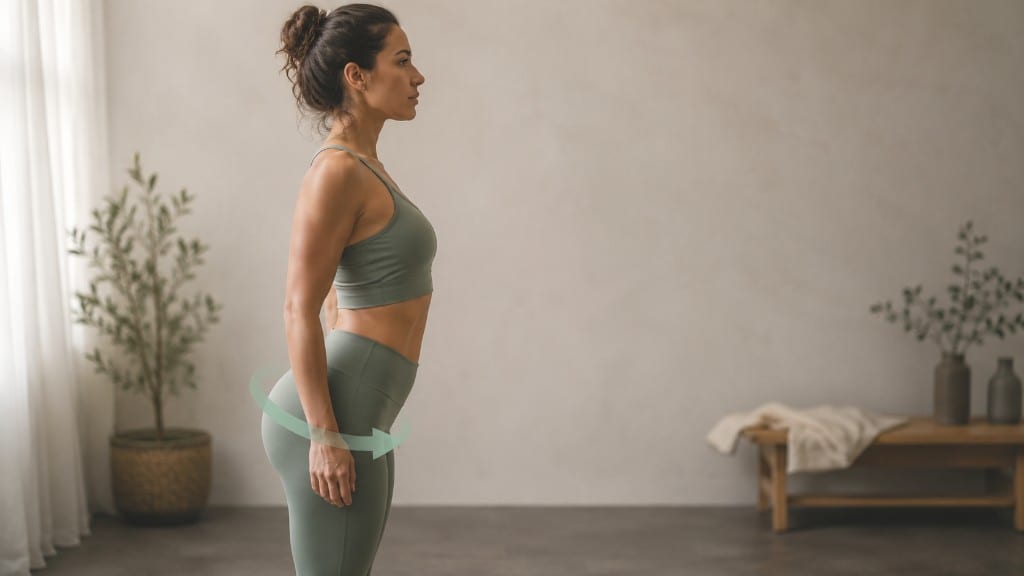
Anterior Pelvic Tilt: How to Tell If You Have It and How to Fix It
An anterior pelvic tilt tips the front of your pelvis down and arches your lower back. Here is the self-test and the fix.
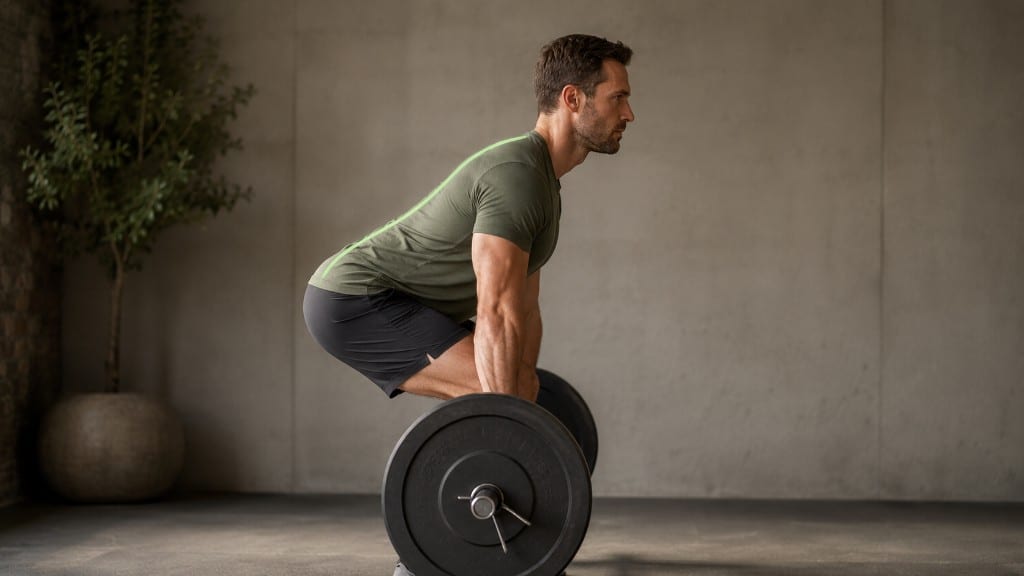
Deadlift Posture: How to Keep a Neutral Spine and Lift Safely
A strong deadlift starts with a neutral spine and a real hip hinge. Here is how to set up, brace, and keep your back safe under load.
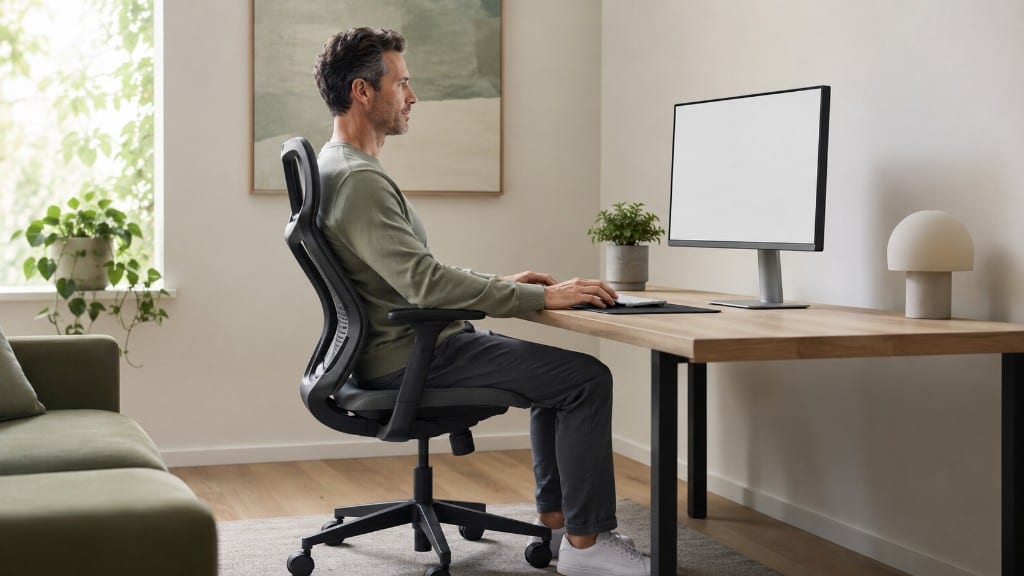
Desk & Sitting Posture: How to Set Up and Sit Without Wrecking Your Body
The problem is rarely one bad position — it is holding any position too long. Here is how to set up your desk and keep moving.
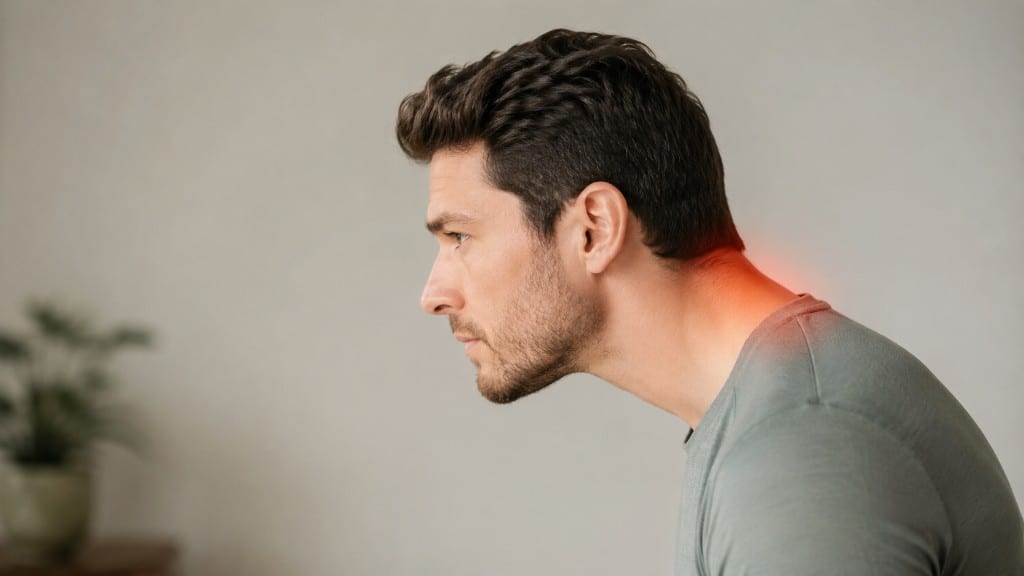
Forward Head Posture ("Nerd Neck"): Causes, Tests, and How to Fix It
Every inch your head moves forward adds load to your neck. Here is what causes forward head posture and the exact routine that reverses it.
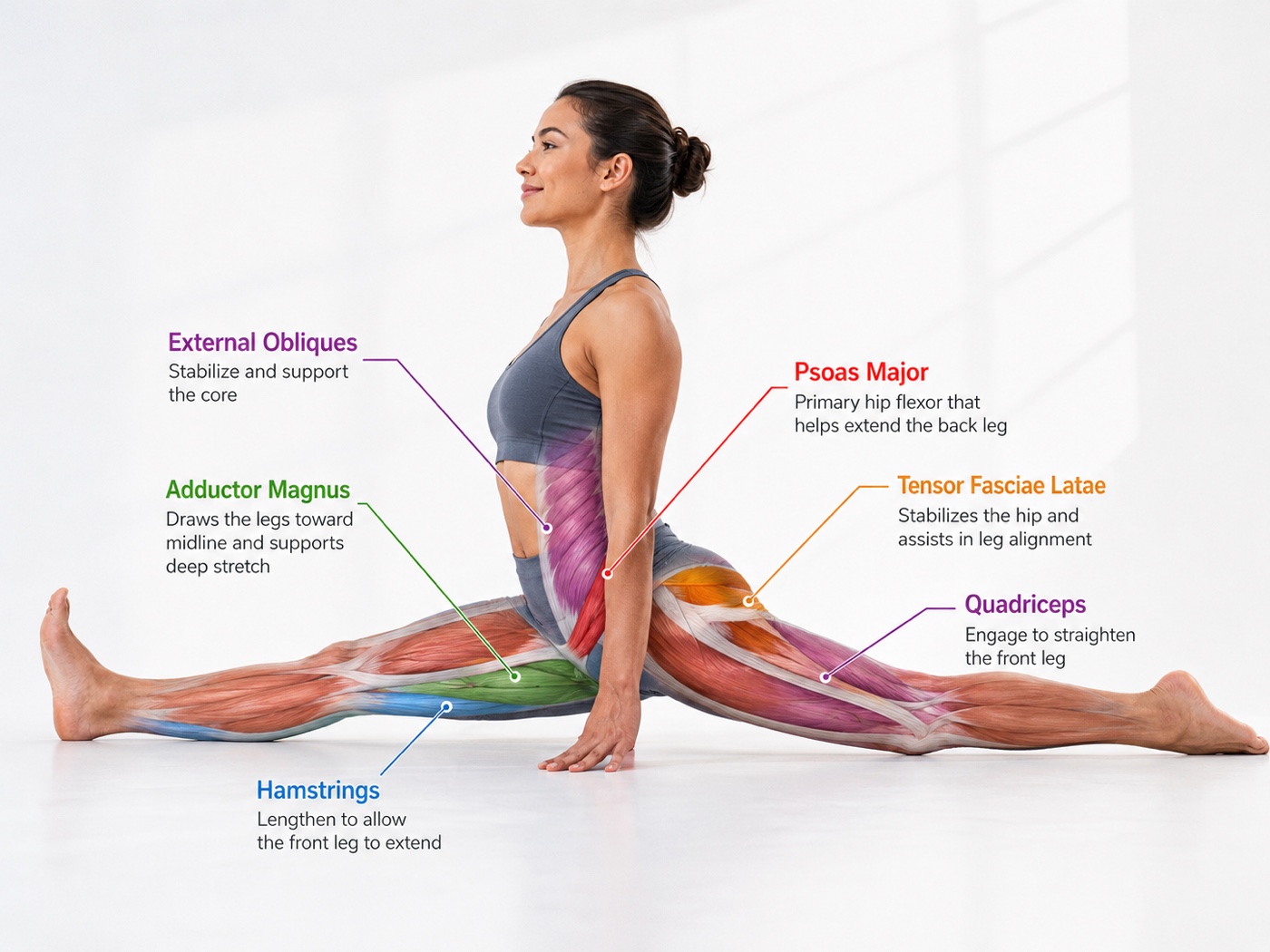
Front Splits: How to Find Which Muscle Is Holding You Back (and What to Do)
Your front split is usually blocked by one of two things: front-leg hamstrings or back-leg hip flexors. Here is how to tell which, and what to train.
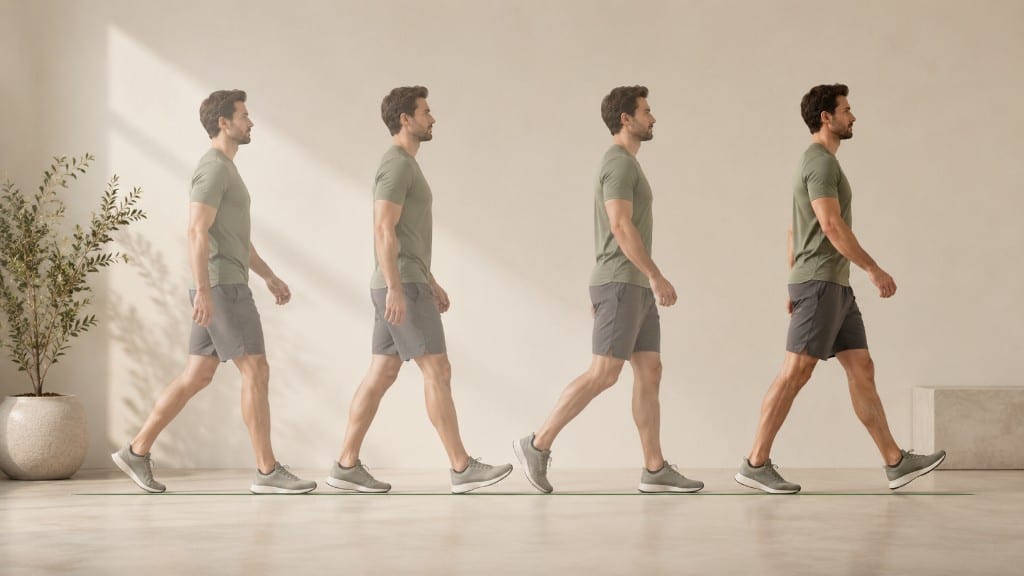
Gait Analysis: A Plain-English Guide to How You Walk
Walking is a repeating cycle of stance and swing. Here is what gait analysis looks at and the common patterns it picks up.
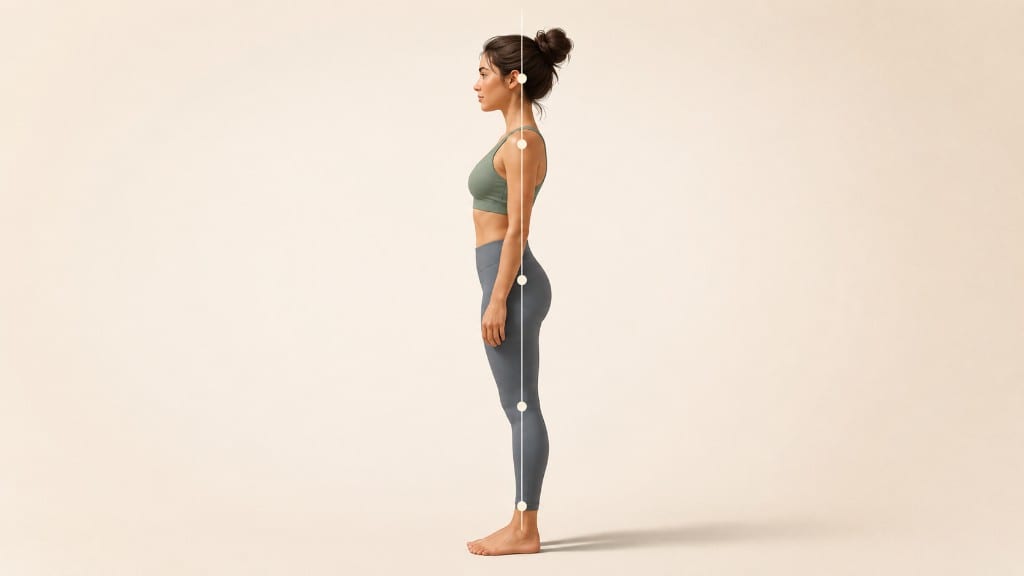
What Is Correct Posture? How to Stand, Sit, and Align Your Body
Correct posture is the position where your body is stacked and balanced with the least effort. Here is what that looks like and how to find it.
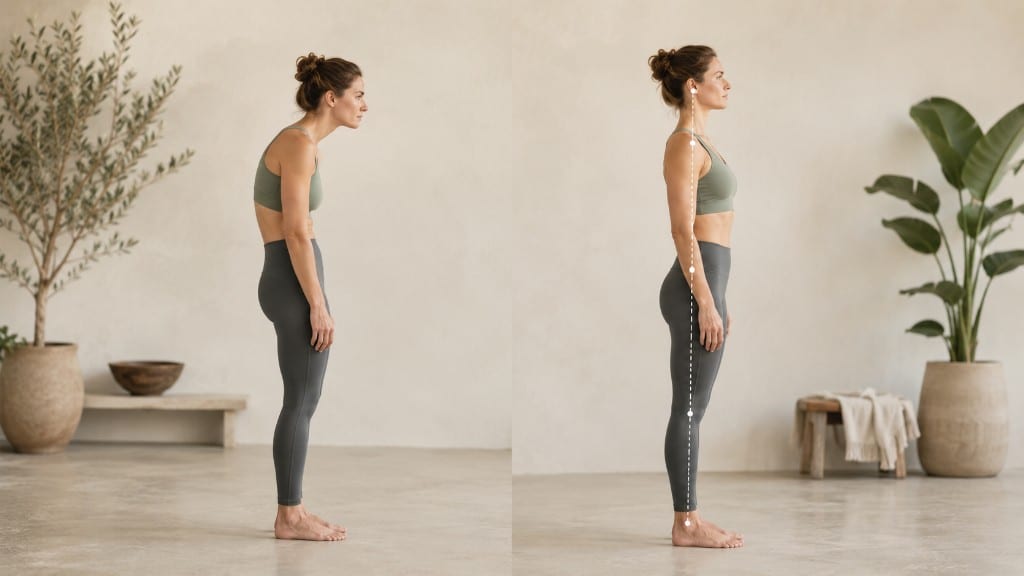
How to Fix Your Posture: An Evidence-Based Guide That Actually Works
Good posture is a skill you train, not a position you force. Here is how to assess yours, correct the common patterns, and keep it — backed by the posture literature.
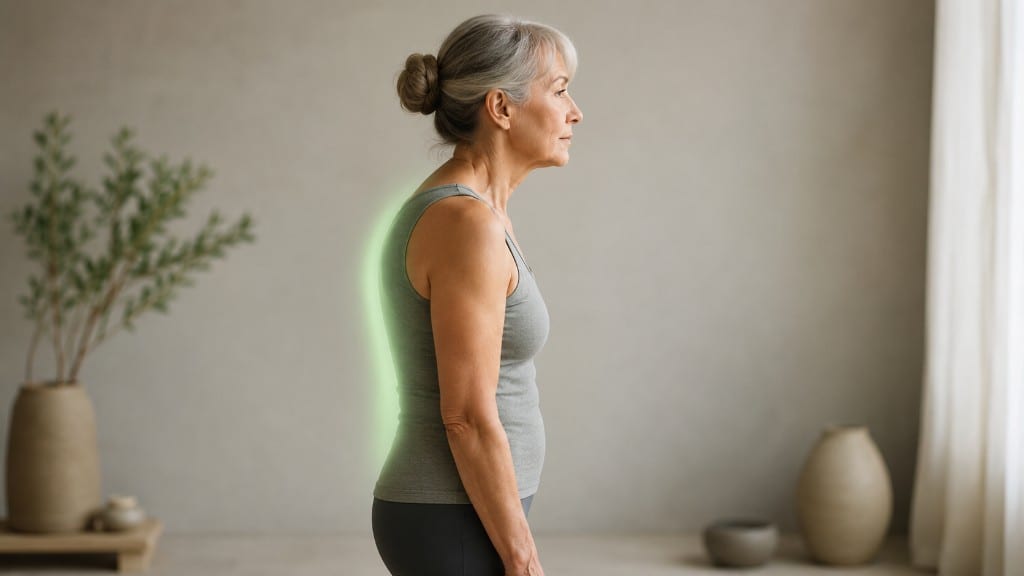
Hunched Posture and Kyphosis: How to Straighten a Rounded Upper Back
A rounded upper back is often a flexible habit, not a fixed hump. Here is how to tell the difference and how to train a taller thoracic spine.
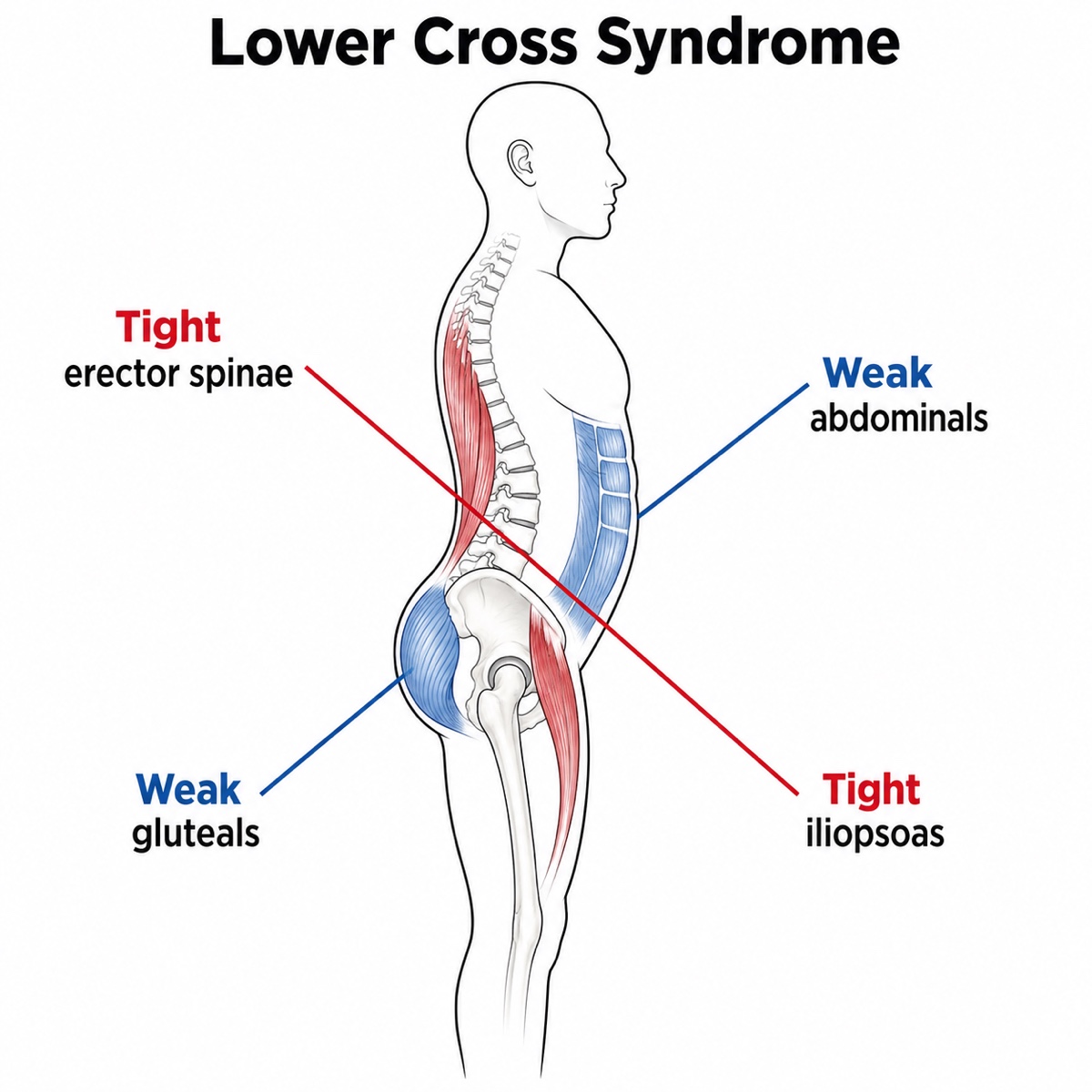
Lower-Crossed Syndrome: Why Your Hips Tilt and Your Lower Back Aches
An anterior pelvic tilt driven by tight hip flexors and back, with sleepy glutes and core. Here is the pattern and the fix.
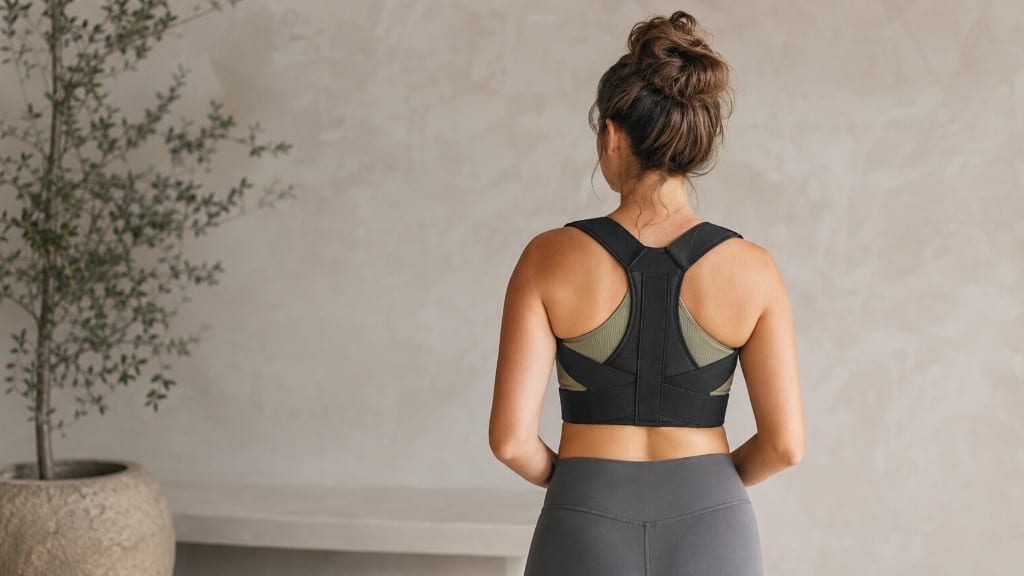
Do Posture Corrector Belts Work? What the Evidence Says
Posture braces give a helpful reminder, but they do not train the muscles that hold you up. Here is how to use one wisely — and what actually fixes posture.
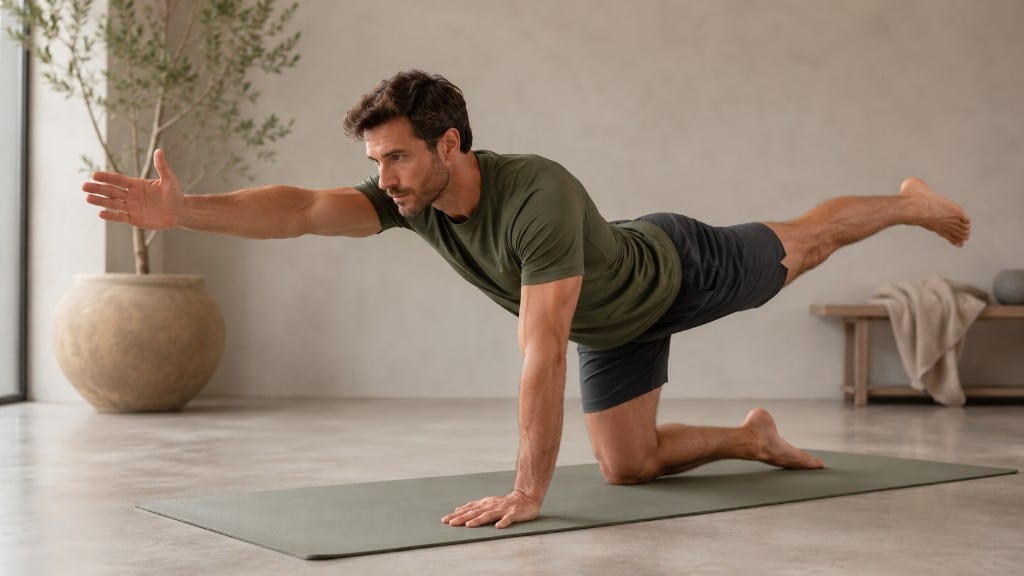
The Best Posture Exercises: A Head-to-Toe Corrective Routine
Twelve high-value posture exercises, grouped by region, with sets, reps, and the posture pattern each one fixes.
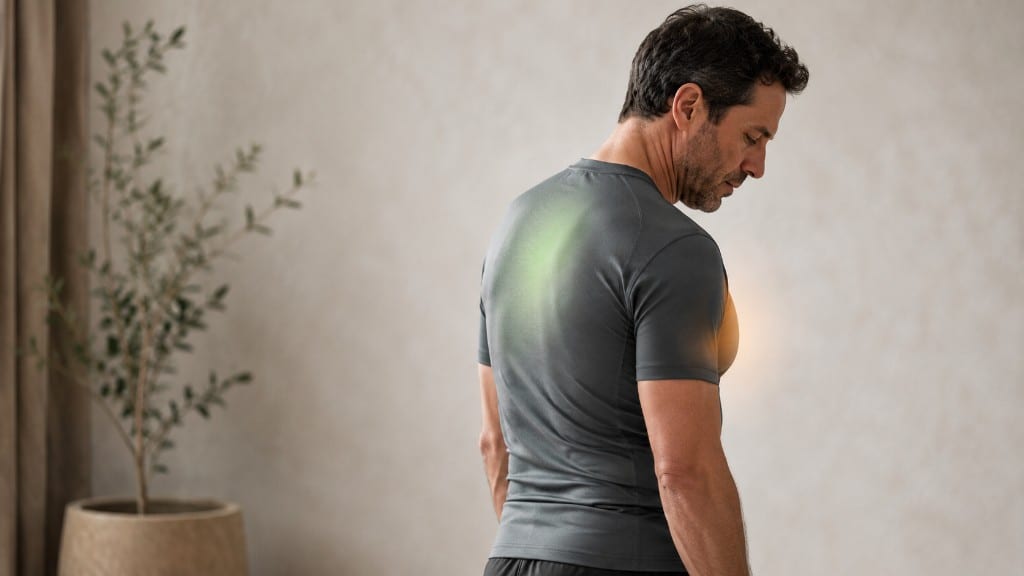
Rounded Shoulders: Why They Happen and How to Pull Them Back
Rounded shoulders come from a tight chest and a sleepy mid-back. Open one, wake up the other, and your shoulders sit back on their own.
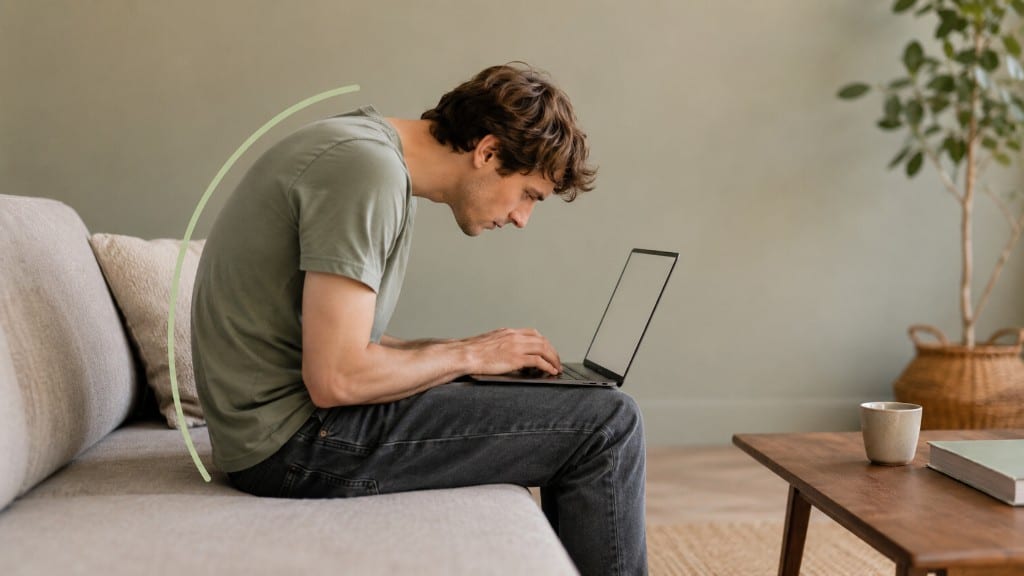
"Shrimp Posture": The Curled-Over Slump and How to Uncurl It
"Shrimp posture" is the whole-body C-curl of chronic slumping. Here is what drives it and how to uncurl, segment by segment.
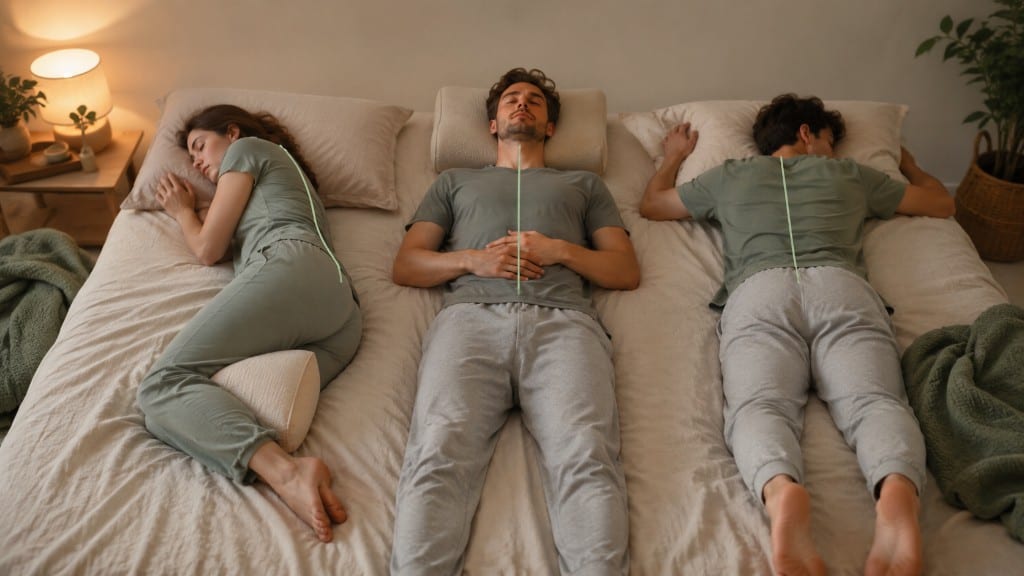
Sleeping Posture: Best Positions for Your Neck and Back (Side, Back & Stomach)
You spend a third of your life in bed — your sleeping posture matters. Here is how side, back, and stomach sleeping compare, and how to set each up well.
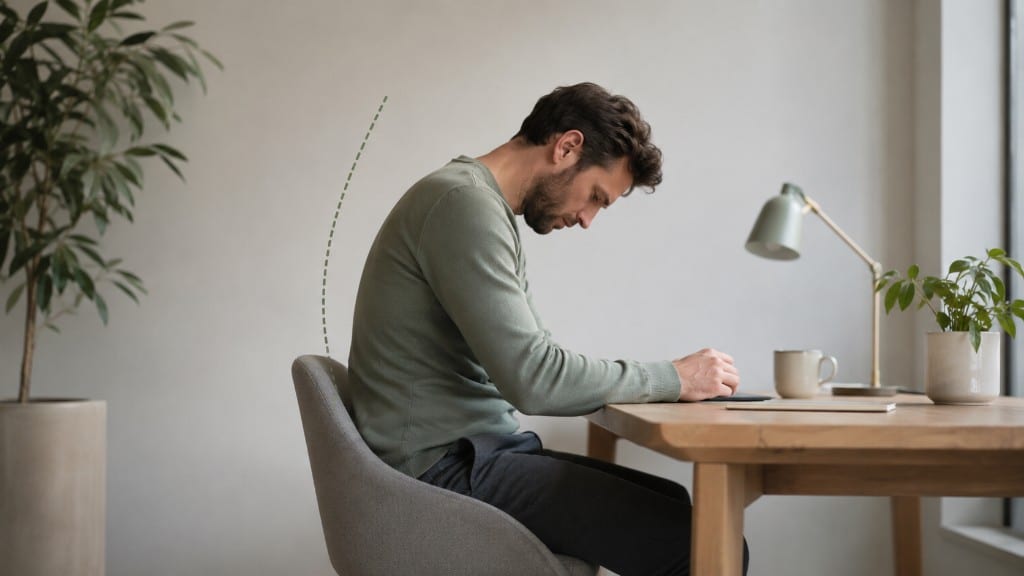
Slouched Posture: Why You Slouch and How to Stop
Slouching is a habit your muscles learn. Here is why it happens and a simple plan to unlearn it.
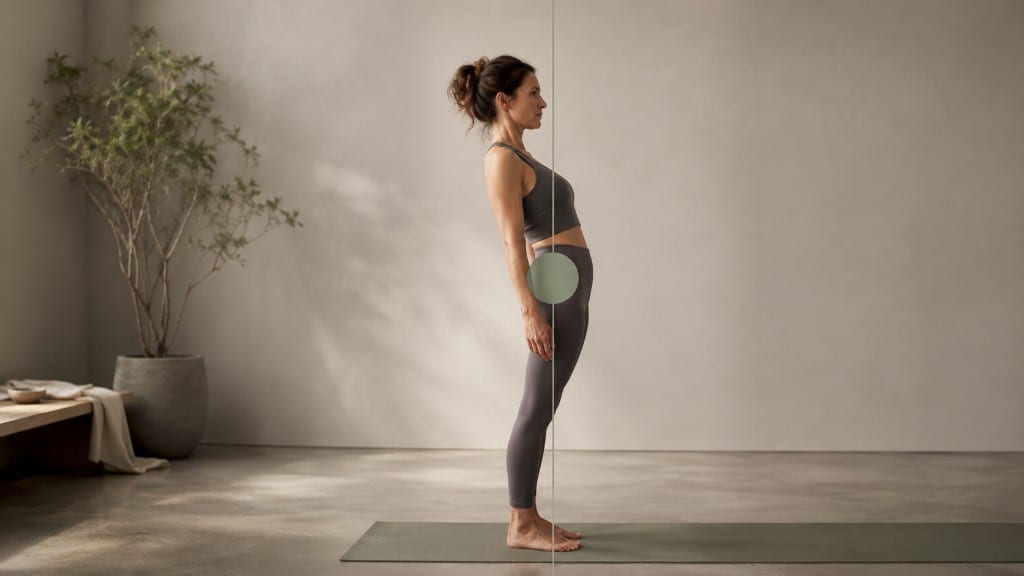
Sway-Back Posture: The Lean-Back Slump and How to Correct It
Sway-back is not just an arched back — it is a whole-body lean where the hips push forward and the chest sinks back. Here is how to spot and fix it.

Neck Posture and "Text Neck": How Looking Down Wrecks Your Neck
Tilt your head down to text and the load on your neck can multiply several times over. Here is how to protect and fix your neck posture.
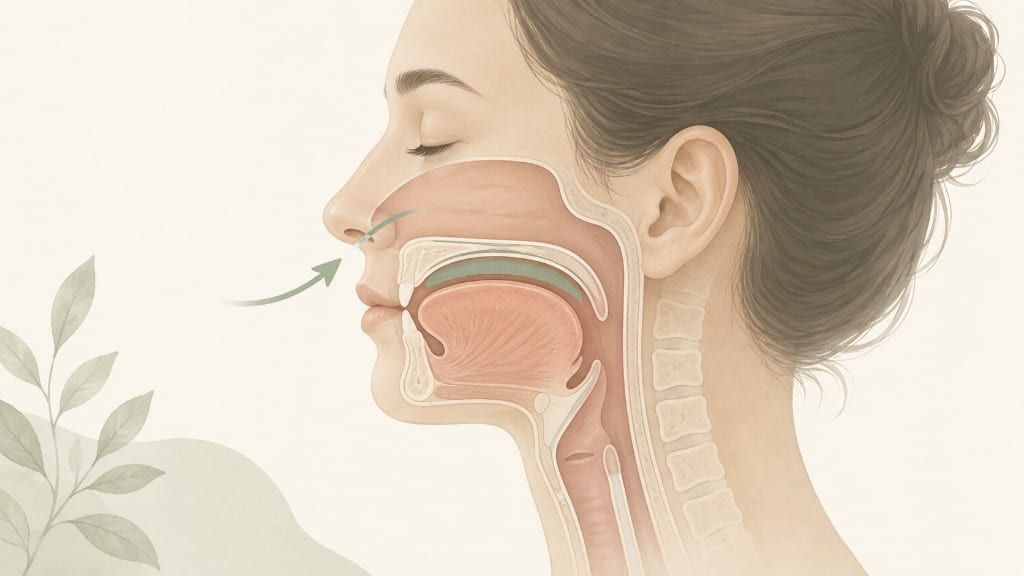
Tongue Posture and "Mewing": What It Is and What the Evidence Actually Shows
Resting your tongue on the roof of your mouth is normal and healthy — but the bigger "mewing" claims outrun the evidence. Here is a balanced look.
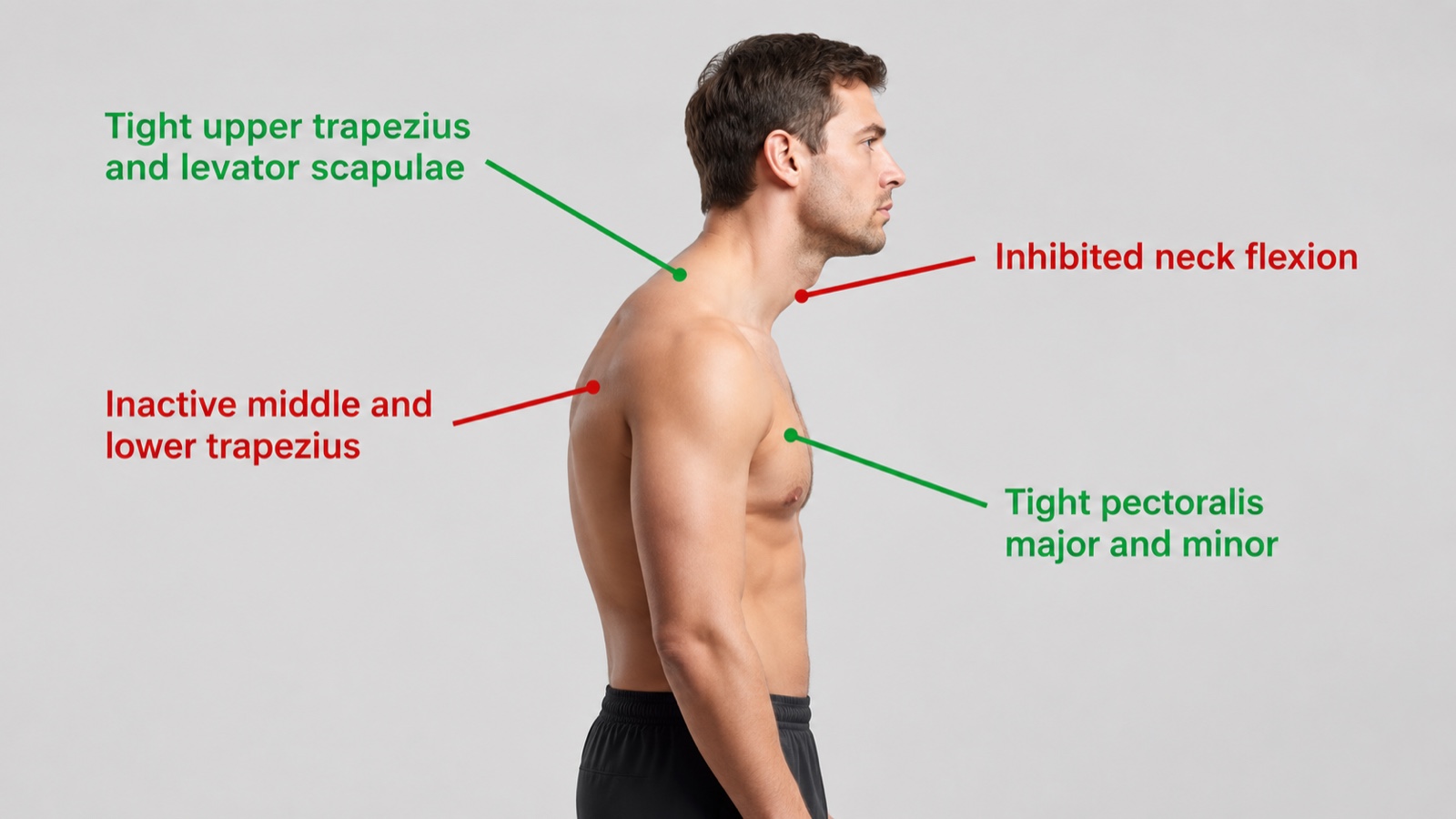
Upper-Crossed Syndrome: The Muscle Imbalance Behind Forward Head & Rounded Shoulders
The classic desk-posture pattern — tight chest and neck, weak deep neck flexors and mid-back. Here is how to recognise and reverse it.