Chin Tuck (Head & Neck Retraction)
2 × 10 reps
A small seated or supine head-retraction drill for practicing controlled neck position without forceful flexion or extension.
An illustration is coming soon. Follow the step-by-step instructions below.
How to do it
- Sit or lie tall and imagine your chin resting on a shelf.
- Slide the chin straight back toward you, making a gentle double chin.
- Keep the gaze level; do not tip the head up or down.
- Supine variation: press the back of the neck lightly into a finger or the floor.
- Hold, then relax and repeat.
Form cues
- Glide back, don't nod or extend the neck
- Lengthen the back of the neck, keep the throat soft
Why this exercise helps
The chin tuck practices a small backward glide of the head while the gaze remains level. This can help someone distinguish head retraction from looking down or forcefully extending the neck. The deep and superficial neck muscles work together to control the motion, while some people notice a mild lengthening sensation near the base of the skull. The drill is commonly used in forward-head posture and neck-control programs, but it does not reposition the neck permanently or identify the cause of pain.
Stop or modify if
- Nodding the chin down toward the chest rather than sliding it straight back — the movement is a horizontal retraction; maintain a level gaze throughout.
- Forcing the double-chin as deeply as possible by straining — work within a comfortable range; a mild 'double chin' appearance is the target, not maximum posterior compression.
- Opening the mouth or letting the jaw jut forward — keep the mouth gently closed and move the whole head unit rearward as a unit.
Modifications and progressions
- Perform supine with a small folded towel under the head to reduce the required range if the seated version causes dizziness or discomfort.
- Place one or two fingers at the base of the skull as a tactile target to guide the retraction direction and help gauge movement quality.
Muscles worked
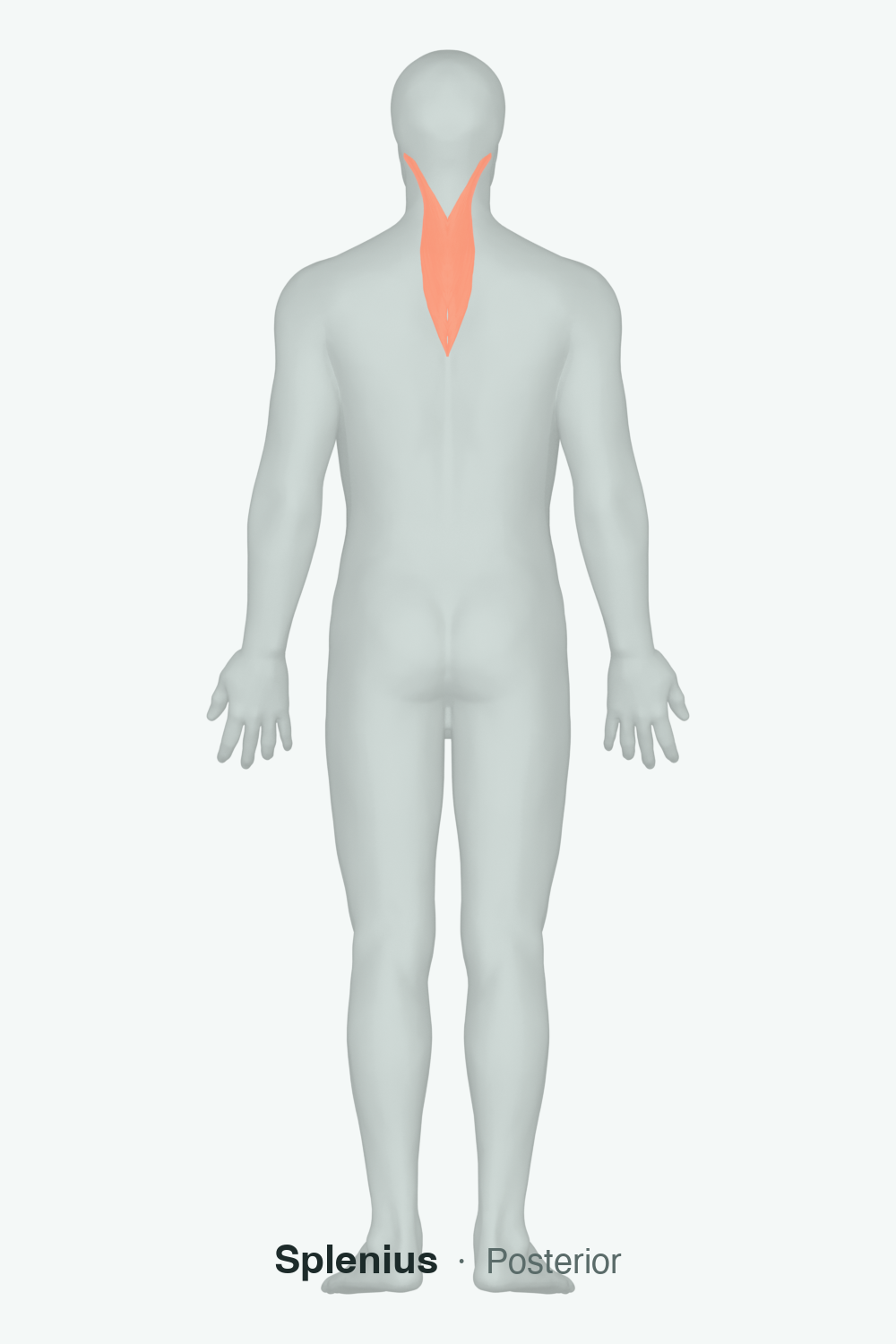
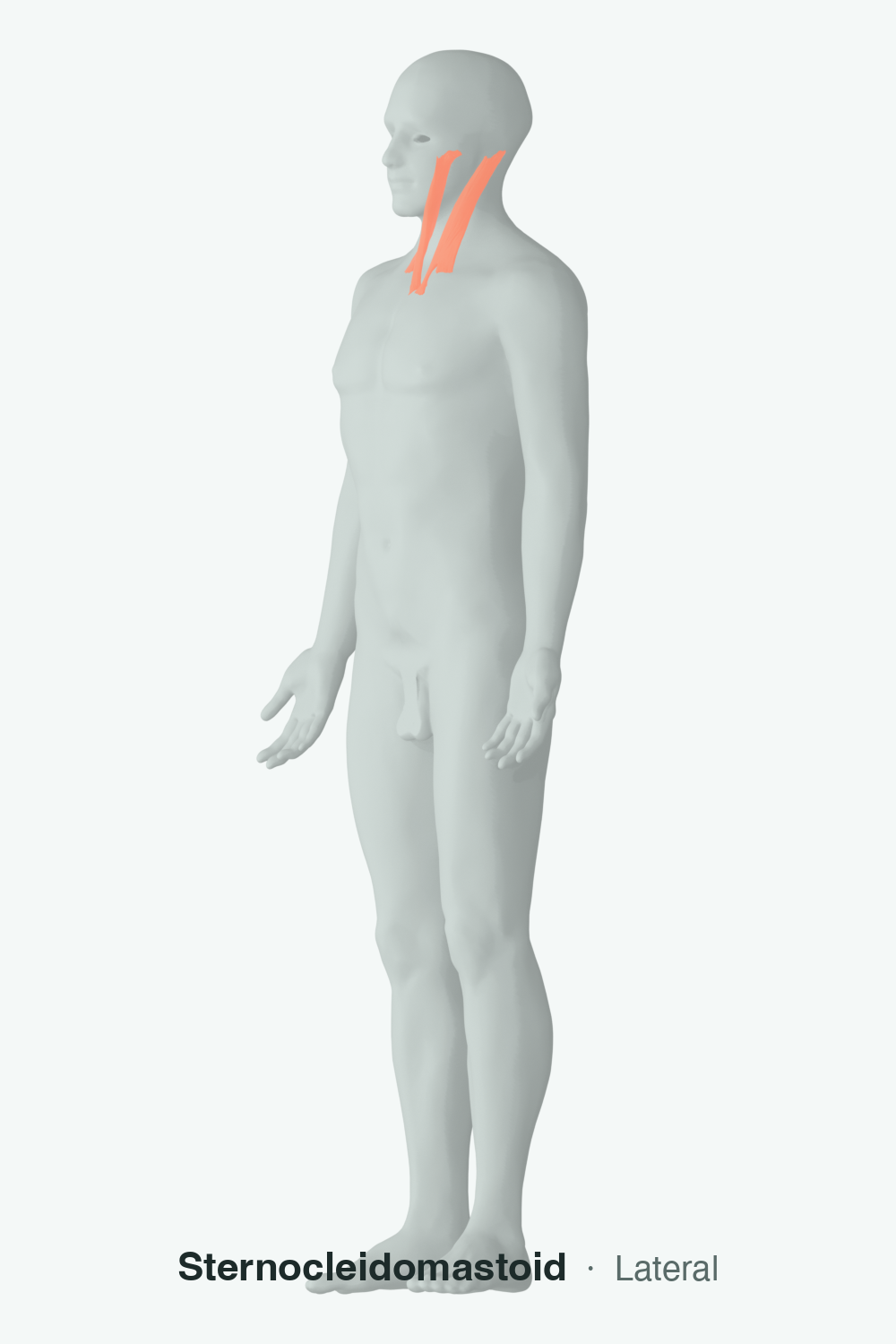
Stretches: neck extensors, suboccipitals
Strengthens: neck flexors, longus colli, longus capitis
Helps with
Related exercises
Frequently asked questions
How do I know I'm doing the chin tuck correctly?
The correct movement is a horizontal glide — imagine your chin sliding straight back along a shelf while the gaze stays level, not tilting the head down or looking up. The result is a gentle double-chin appearance without any neck strain. In the supine version, press the back of the neck lightly into a finger or the surface rather than lifting the head. If the movement feels large or effortful, reduce the range; the drill is small and controlled by design.
Where should I feel the chin tuck?
You may notice mild effort at the front of the neck or a gentle lengthening sensation near the base of the skull. You should not feel a sharp pinch, worsening headache, dizziness, or symptoms travelling into an arm. Stop and seek assessment if those occur.
How often should I do chin tucks?
Follow the sets and repetitions on this page or in your program. Keep the movement comfortable and controlled; extra volume is not automatically better. Reduce or stop if symptoms increase during or after practice.
When should I stop and seek professional advice?
Stop and consult a health professional before continuing if you experience arm or hand pain, numbness, or tingling during or after the movement; a sudden or worsening headache; dizziness or balance disturbance; or any increase in existing neck or upper-back symptoms. These are not expected responses to a correctly performed chin tuck and warrant clinical assessment rather than technique adjustments.