Neck Flexors
Exercises that target the neck flexors, grouped by whether they stretch or strengthen it.
The neck flexors are muscles at the front of the cervical spine that help nod and bend the head and control its position. They include deep muscles such as longus colli and longus capitis as well as larger superficial muscles, including sternocleidomastoid and the scalenes. These layers do not all perform the same job or need the same training cue.
Low-load control of the deep neck flexors is often assessed or trained in people with neck symptoms or forward head posture, but a photograph cannot show whether these muscles are weak or inactive. Head position also depends on upper-back posture, visual tasks, comfort, habits, and the muscles at the back and sides of the neck.
A gentle craniocervical nod—like a small 'yes'—can train control without turning the movement into a forceful chin-to-chest curl. Begin with short, easy holds while breathing normally. More demanding isometric or lifting variations should be added only when the basic motion remains comfortable and controlled.
Neck training should not provoke dizziness, headache, visual changes, tingling, or pain into an arm. Stop and seek clinical advice if those symptoms occur, or if symptoms began after trauma.
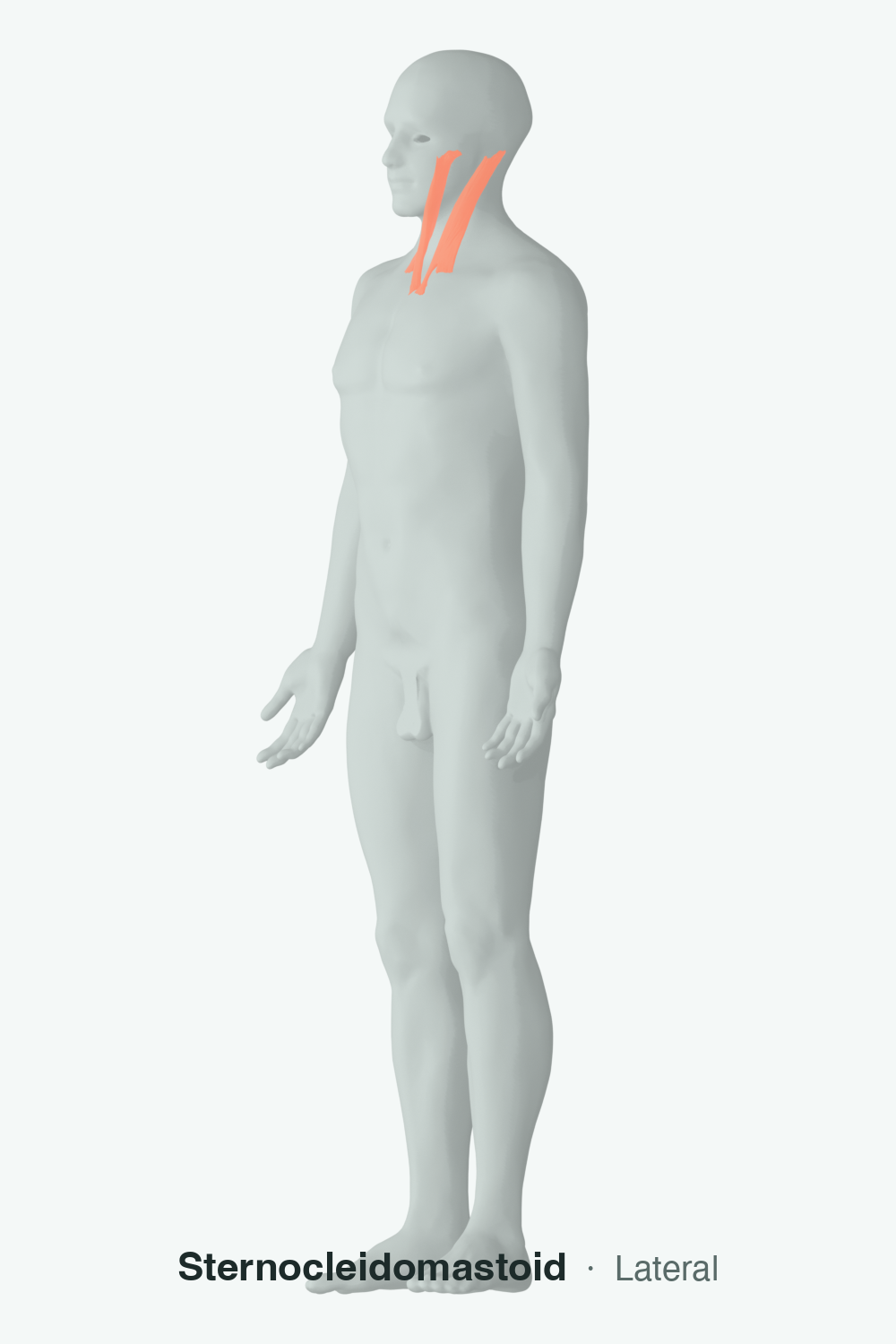
Strengthen the neck flexors
Frequently asked questions
What are the deep neck flexors?
Longus colli and longus capitis are commonly described as deep neck flexors. They sit close to the cervical spine and help control small nodding and positioning movements rather than producing only large, forceful neck flexion.
How are deep neck-flexor exercises different from sit-ups for the neck?
A deep neck-flexor drill usually begins with a small, gentle nod while the head remains supported. A forceful head lift or chin-to-chest curl creates a different and more demanding task that may recruit the larger surface muscles more strongly.
Can weak neck flexors be diagnosed from posture?
No. A forward head position may be one reason to assess neck control, but a photograph cannot measure muscle strength or identify the cause of symptoms. Strength and endurance require an appropriate movement or clinical test.