Lateral Neck Flexor Stretch (Side Tilt)
2 × 25s per side
Side-tilt neck stretch for the upper trapezius and scalenes; anchoring the opposite shoulder ensures the stretch occurs at the neck, not the shoulder.
An illustration is coming soon. Follow the step-by-step instructions below.
How to do it
- Sit (or stand) and place the right hand on the left shoulder to hold it down (or grasp the chair seat to hold shoulders level).
- Tilt the head directly sideways toward the right to stretch the left lateral neck flexors.
- For added stretch, give assistance with the opposite hand by pulling the forearm gently downward.
- Reverse hands and head position to stretch the right side.
Form cues
- Hold the down-side shoulder down so the stretch is at the neck
- Tilt directly sideways - do not rotate
Why this exercise helps
The upper trapezius, scalenes, and neighboring lateral neck muscles contribute to side-bending and control of the head and shoulder area. Anchoring the opposite shoulder while tilting the head directly sideways reduces the tendency to shrug and can create a clearer stretch along the side of the neck. The assisting arm adds only light guidance; it should not force the neck farther. Practicing both sides through a comfortable range can support neck-mobility work, but the exercise does not diagnose which muscle is responsible for a head or shoulder asymmetry.
Stop or modify if
- Allowing the opposite shoulder to shrug upward, which redirects the stretch away from the neck.
- Rotating or jutting the chin forward instead of tilting the head directly sideways in a pure lateral direction.
- Pulling the head with the assisting hand rather than providing a gentle guided pull on the forearm.
Modifications and progressions
- Omit the assisting arm pull and hold only the passive side-tilt if the neck is sensitive or the added force feels excessive.
- Grasp the seat edge with the down-side hand to anchor the shoulder without needing a separate hand-on-shoulder technique.
- Stop for dizziness, headache, visual change, numbness, tingling, or symptoms travelling into an arm.
Muscles worked
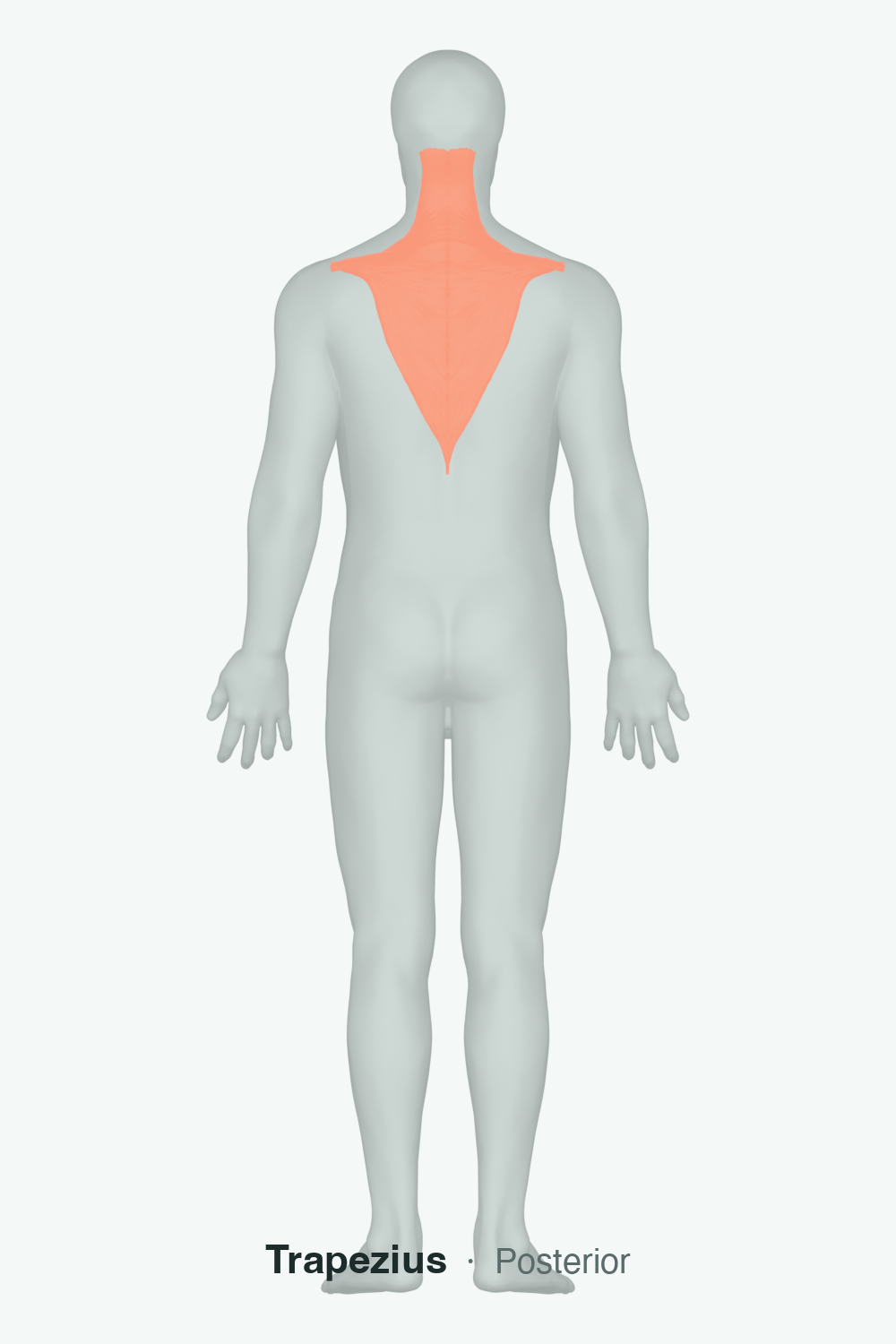
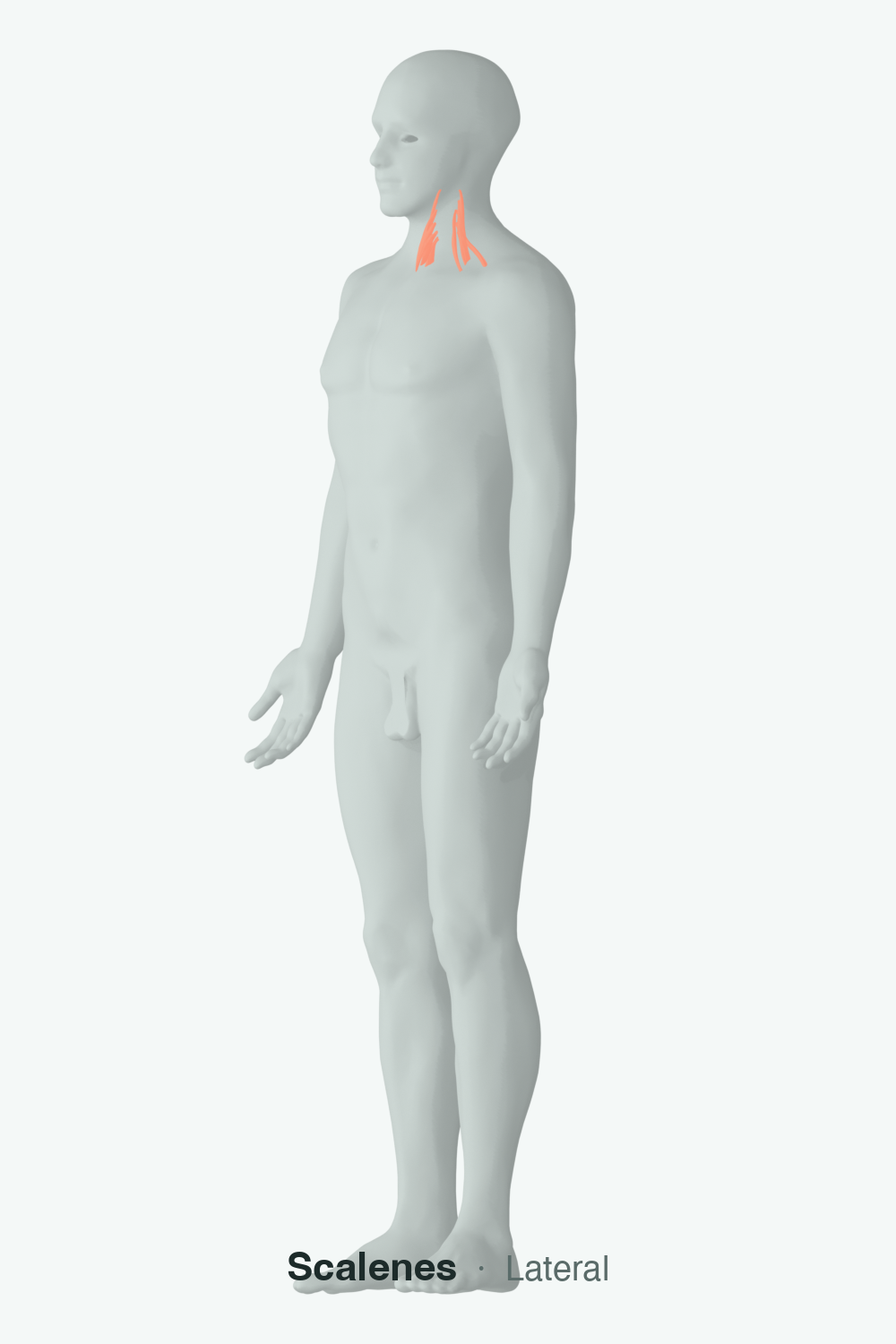
Stretches: upper trapezius, scalenes, lateral neck flexors