Reverse Tabletop Hip Lift
strengthenhipintermediateactiveGluteus maximus strength
2 × 10 reps
The posture scan does not measure thoracic kyphosis, lordosis, or flat-back posture directly. This exercise may still help mobility and strength that support overall alignment — it is wellness education, not a diagnosis.
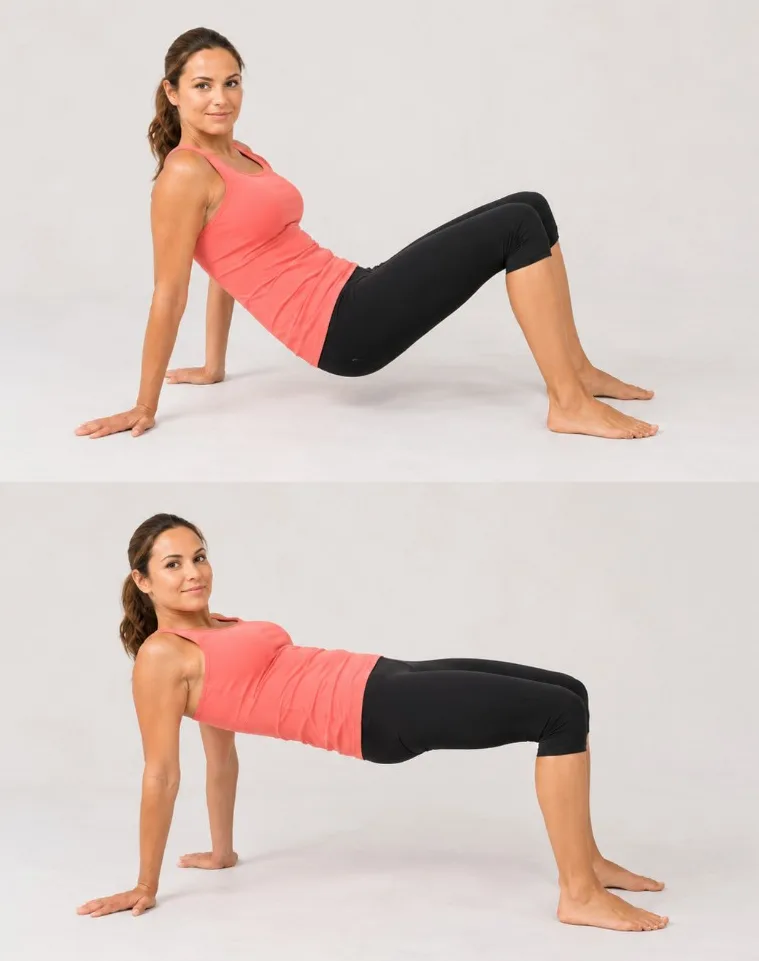
How to do it
- Sit with the knees bent, feet flat and hands behind you, fingers pointing forward or slightly outward as comfortable.
- Press the hands and whole feet into the floor, keeping the shoulders away from the ears.
- Brace gently and lift the chest and hips together into a comfortable reverse-tabletop position without forcing the pelvis or lower back.
- Pause with the knees tracking over the feet, then lower the hips slowly under control.
Form cues
- Keep the shoulder blades gently back and down without shrugging.
- Use a standard floor glute bridge instead if wrist or shoulder extension is uncomfortable.
- Stop for wrist pain, front-of-shoulder pain, hand numbness or lower-back pain.
Muscles worked
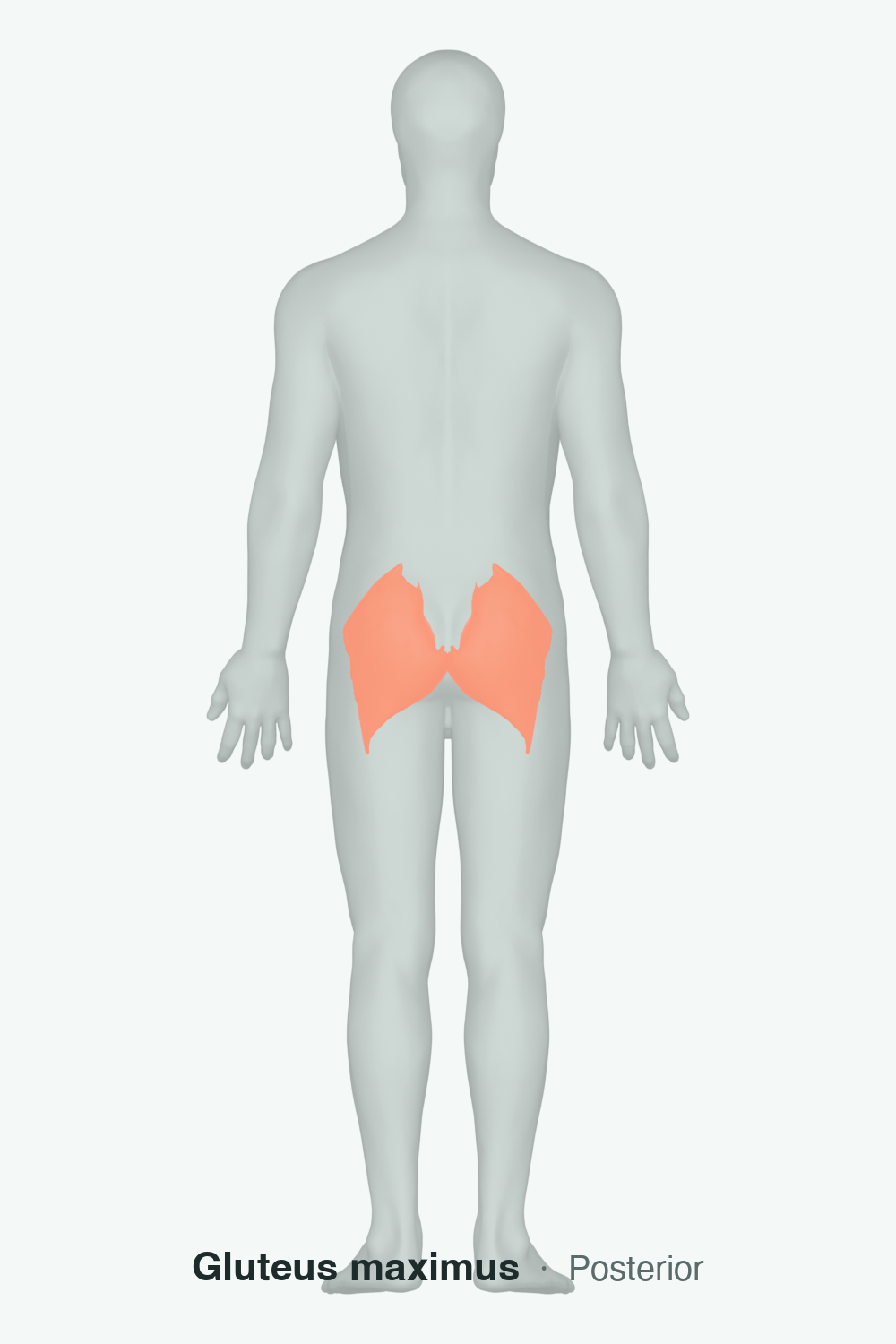
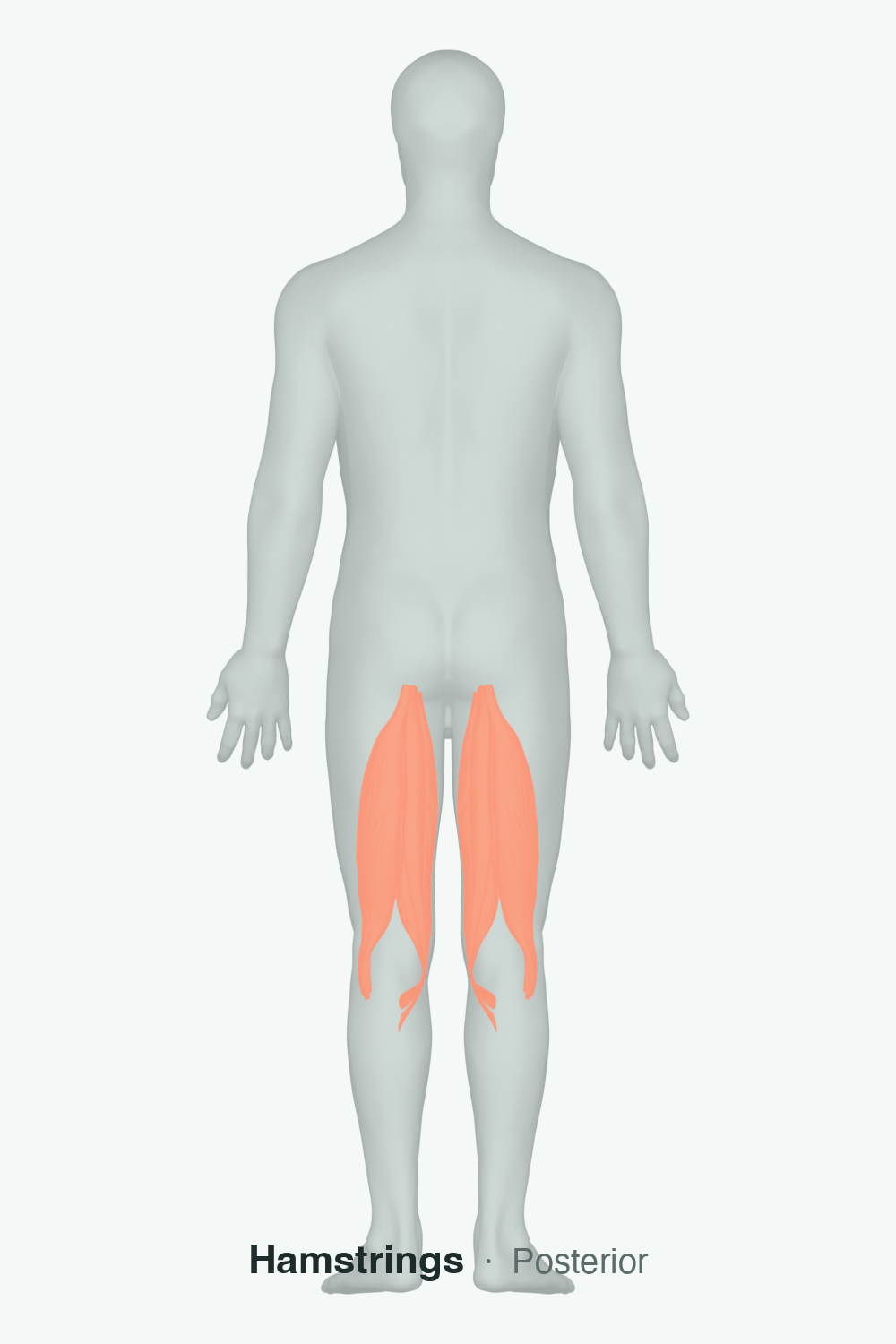
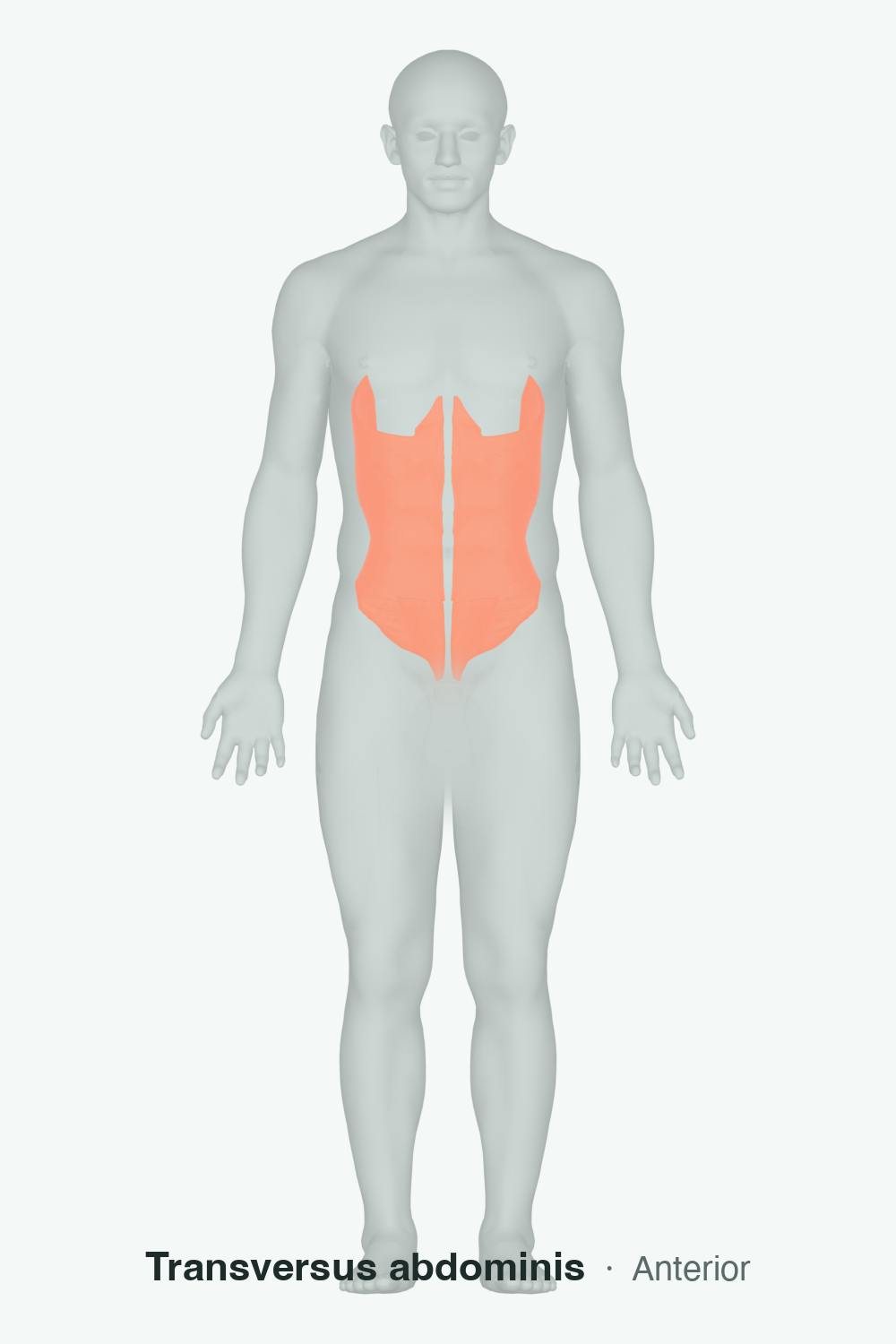
Strengthens: gluteus maximus, hamstrings, core stabilizers, triceps, posterior deltoid, scapular stabilizers
Helps with
Part of a program
Part of Front Splits
This exercise is one move. Front Splits puts it in a plan — so you know what to do, in what order, and how much, week by week.
- Sequenced & dosed — the right exercises, in the right order, at the right volume.
- Progresses with you — difficulty ramps as you get stronger, not on a fixed calendar.
- Personalized — built around the specific limiter actually holding you back.
- Tracks your progress — see what's working and adjust over time.
See the program →
Free · a quick assessment finds your starting point