Sphinx & Prone Hip Extension (Restore Lumbar Curve)
2 × 10 reps per side
A prone sphinx position paired with a small single-leg hip extension for comfortable trunk and hip-extension practice.
The posture scan does not measure thoracic kyphosis, lordosis, or flat-back posture directly. This exercise may still help mobility and strength that support overall alignment — it is wellness education, not a diagnosis.
An illustration is coming soon. Follow the step-by-step instructions below.
How to do it
- Lie prone and prop onto the forearms in the sphinx position to extend the lumbar spine.
- Hold a comfortable extension and breathe.
- Progress to prone single-leg hip extension: lift one straight leg ~10 degrees, keeping the pelvis down.
- Alternate legs; also actively practice leaning back through the day.
Form cues
- Lift the leg, not the lower back, to bias the erectors
- Keep extension gentle and pain-free
Why this exercise helps
The supported sphinx position explores trunk extension with the forearms sharing some body weight. Adding a small prone leg lift then asks the hip extensors to move the thigh while the pelvis and lower back remain controlled. The exercise may be included in programs that practise extension tolerance, but it does not restore a required spinal curve or suit every back. Keep the range small and comfortable, and stop for increasing back pain, symptoms into a leg, numbness, or tingling.
Stop or modify if
- Lifting the leg by arching the low back rather than using the hip extensors. Keep the pelvis firmly pressed into the floor and limit the lift to around 10 degrees.
- Letting the elbows drift too far forward in the sphinx, which removes the extension benefit. Position forearms directly under the shoulders to maintain the curve.
- Rushing through the hip extension repetitions. A slow 2-second lift and 2-second lower reinforces neuromuscular control rather than momentum.
Modifications and progressions
- Start with the sphinx position alone — no leg lift — and simply breathe in the extended position before adding the movement component.
- Place a folded towel under the pelvis in the sphinx if direct pressure on the hip bones is uncomfortable on a hard floor.
- To progress, add only a slightly longer comfortable hold or a small number of controlled leg lifts rather than forcing more spinal extension.
Muscles worked
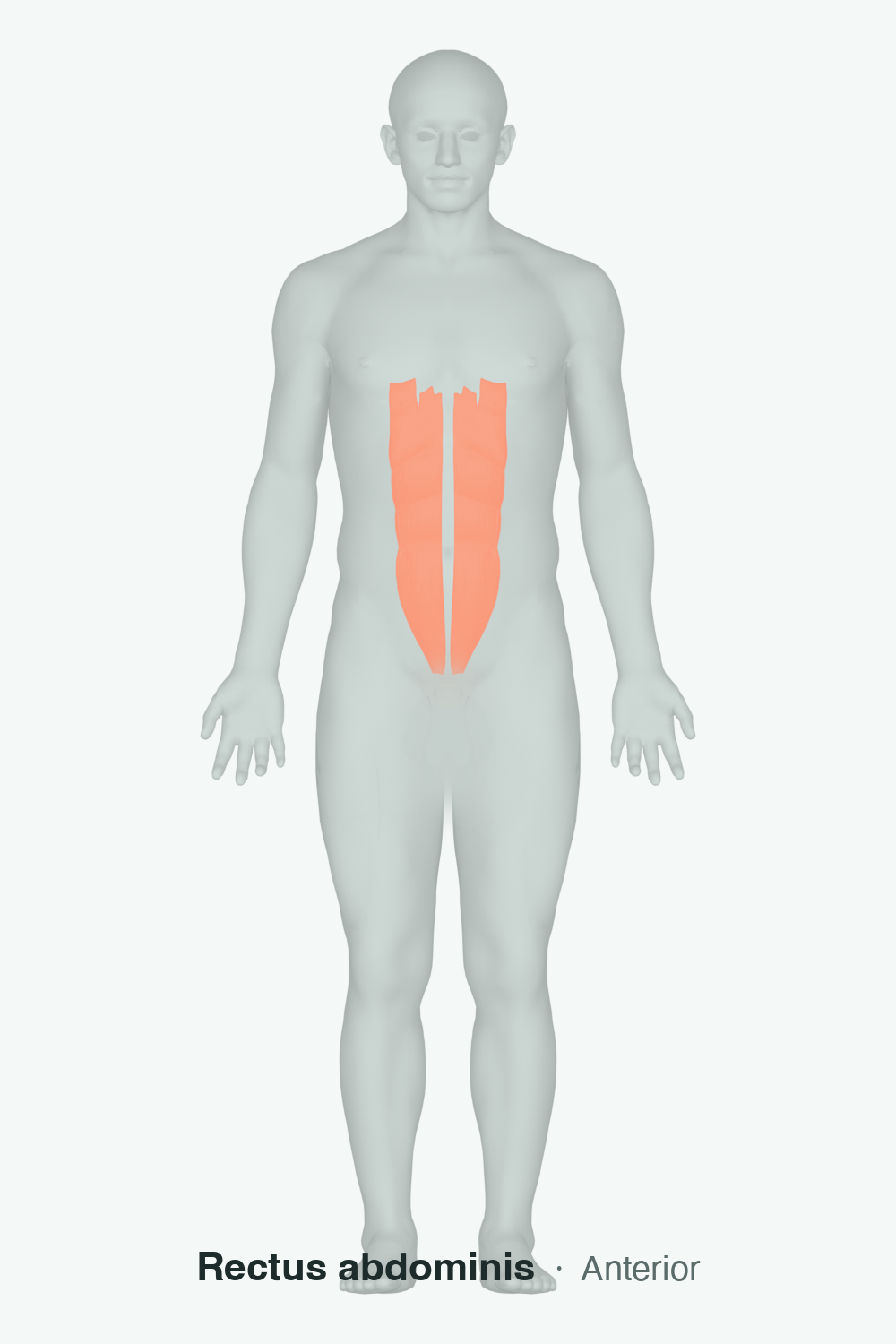
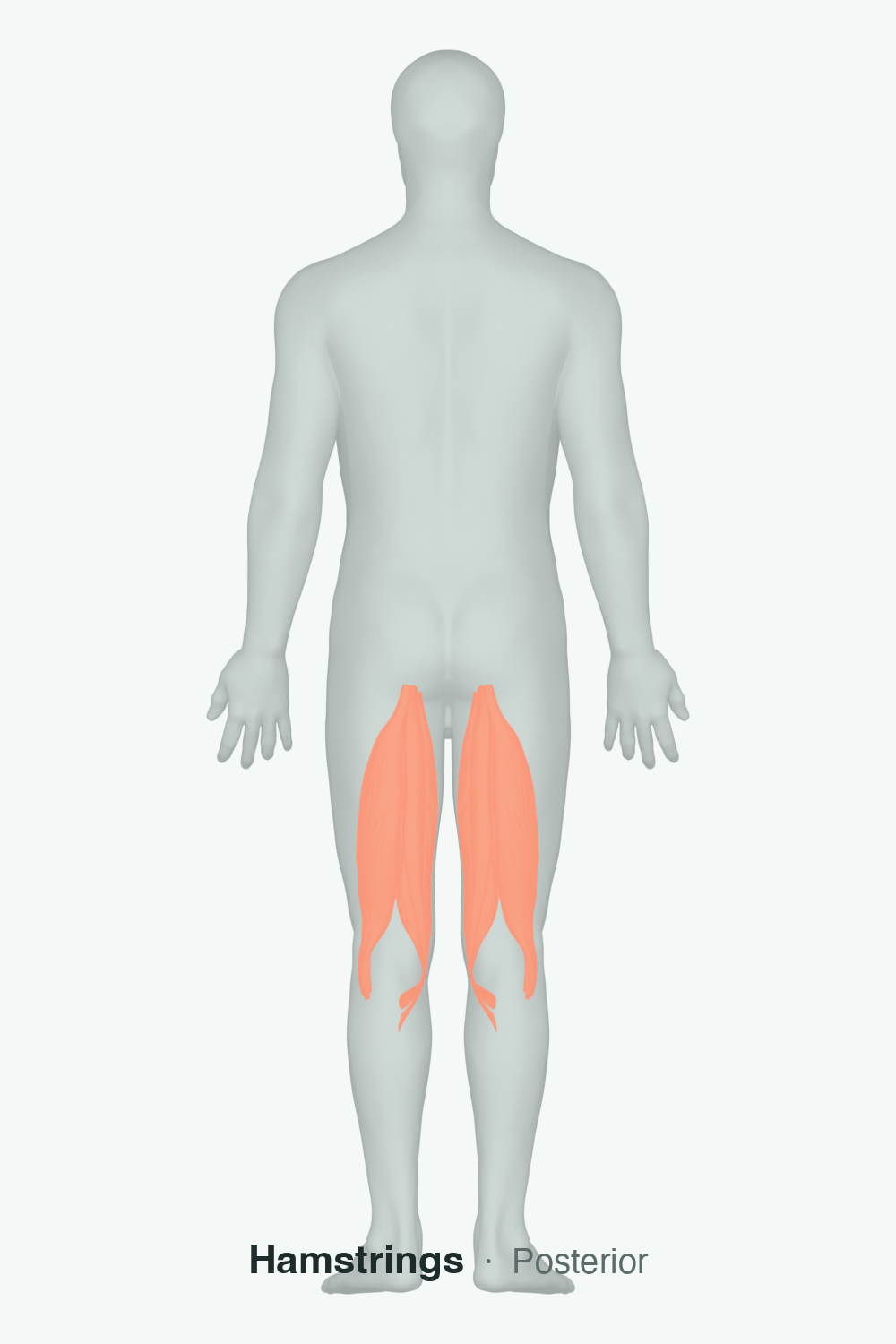
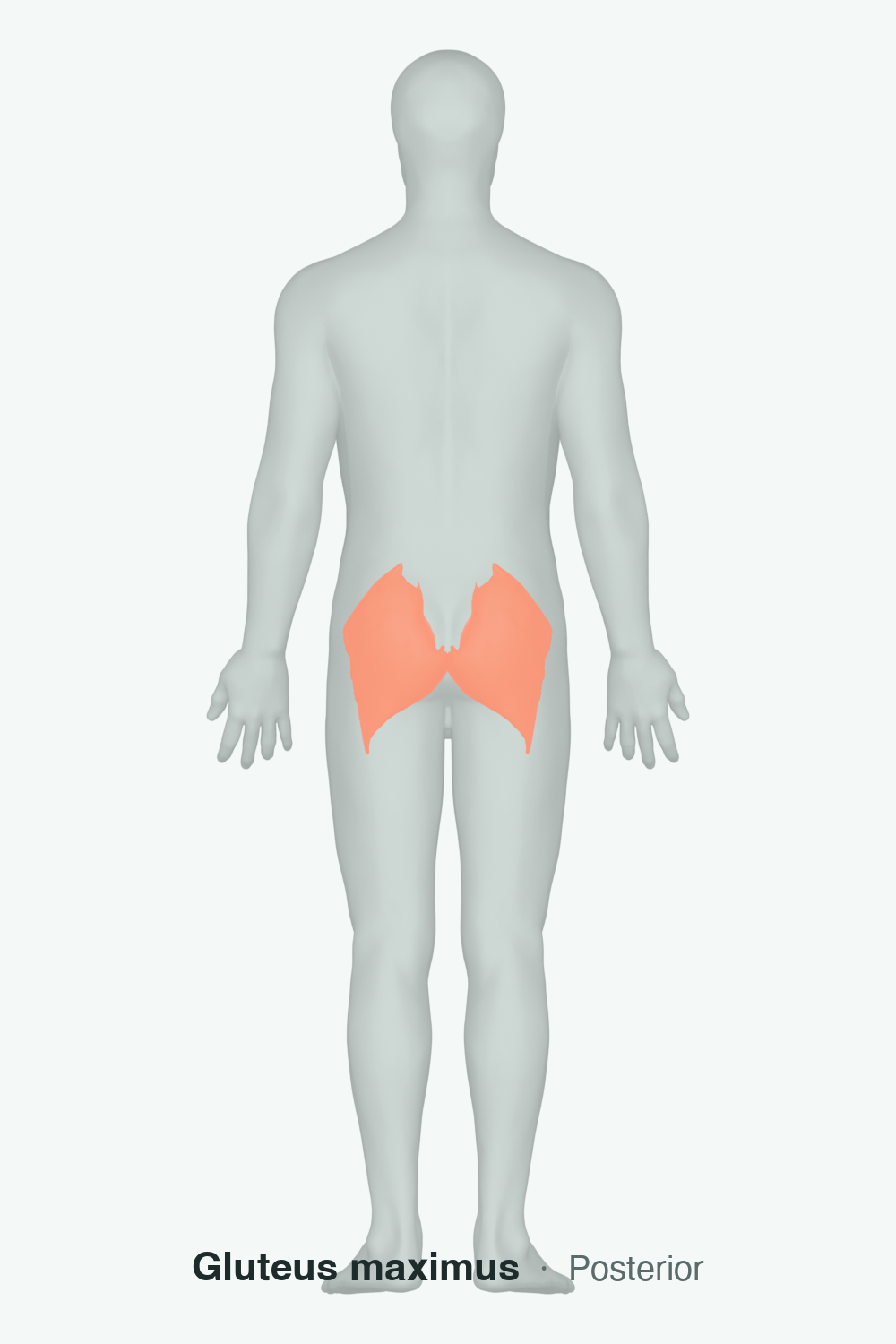
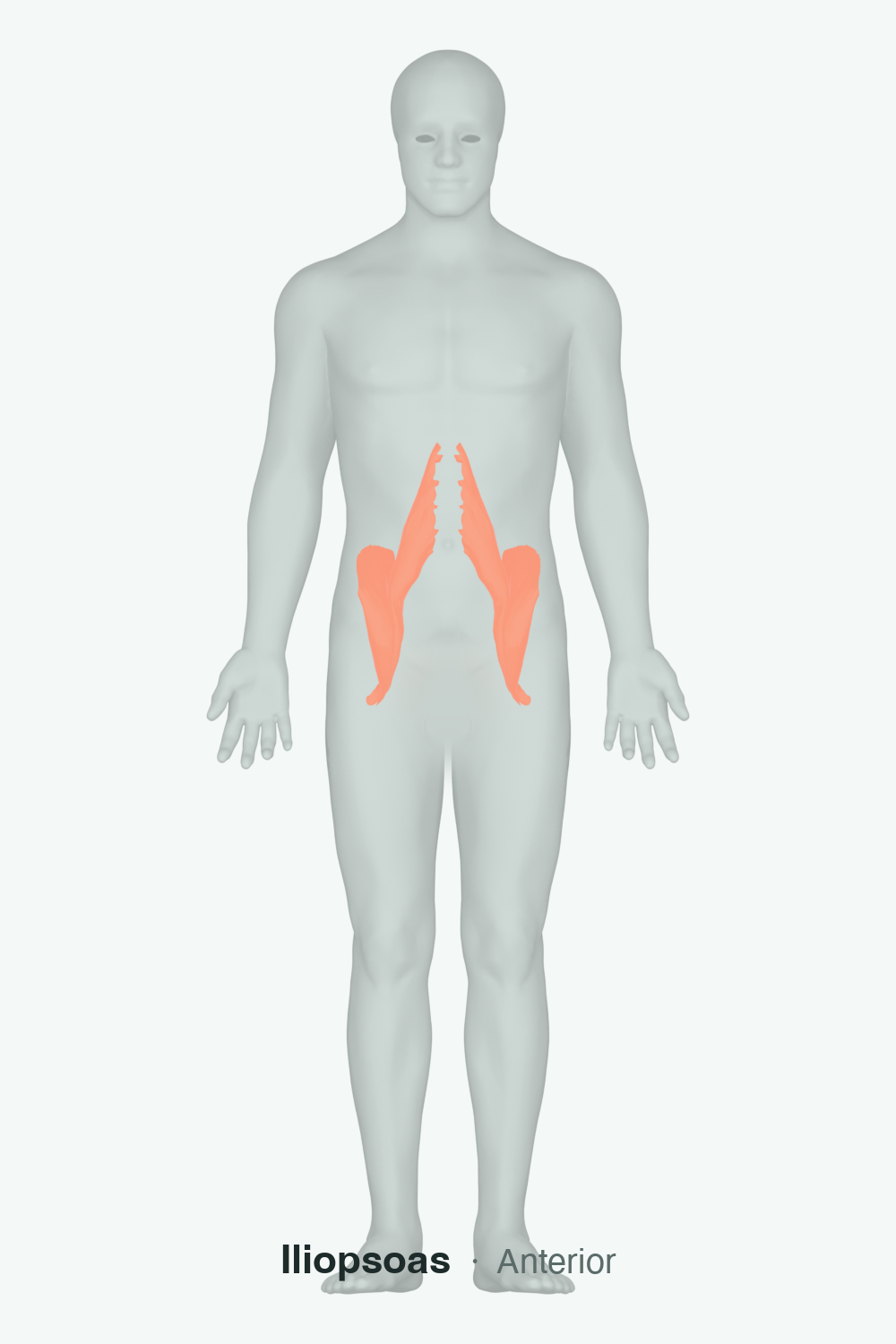
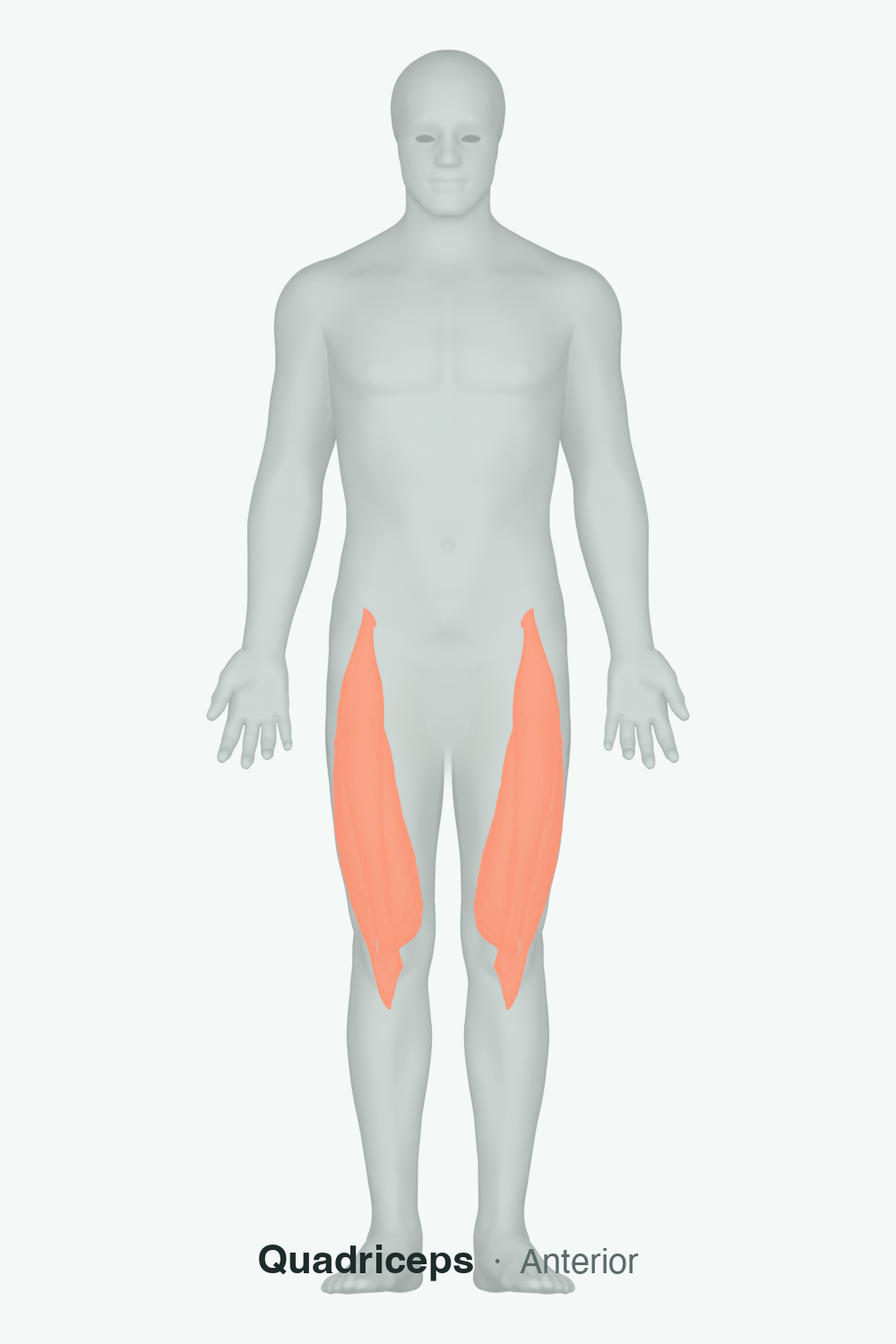
Stretches: abdominals, hamstrings, gluteus maximus
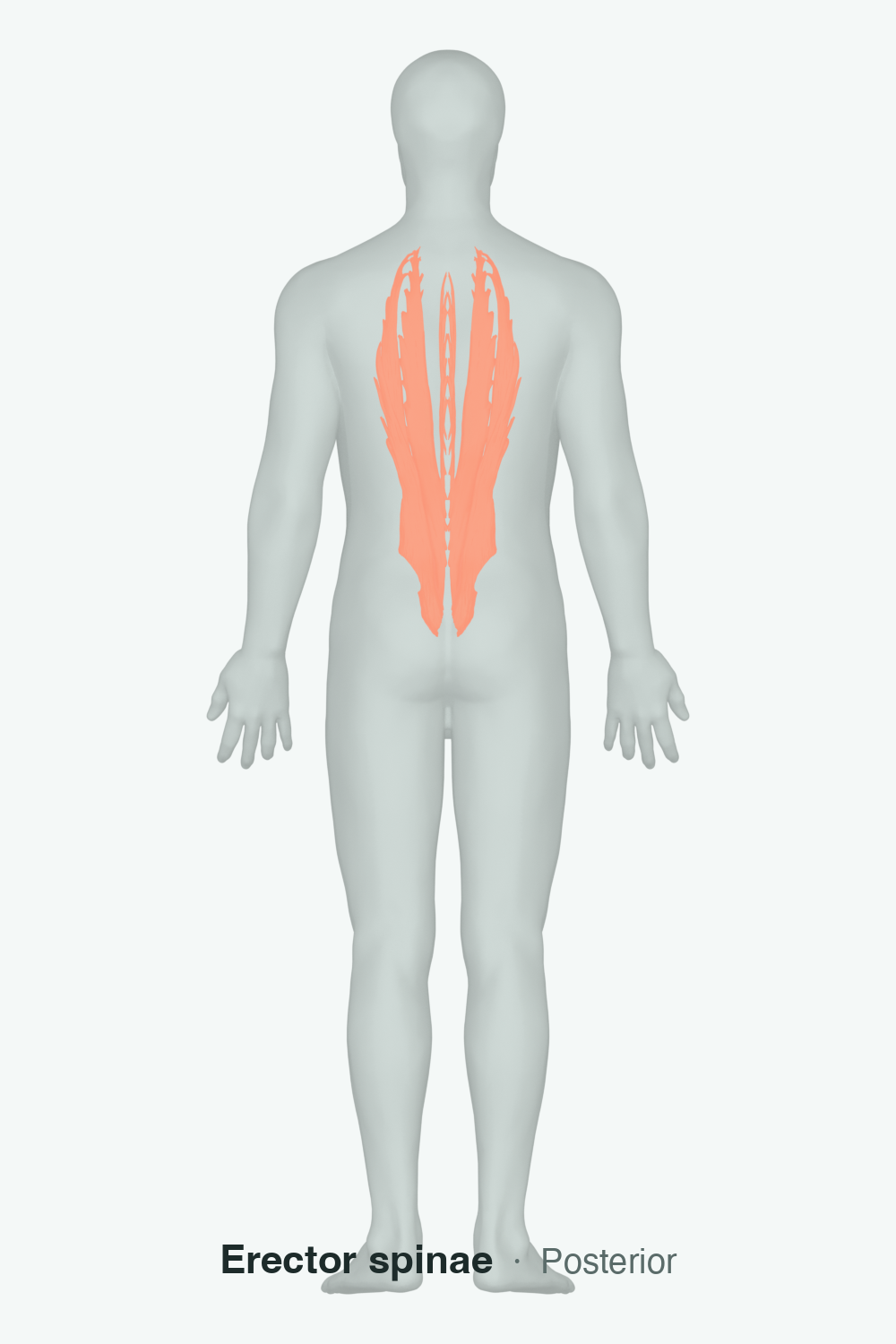
Strengthens: erector spinae, iliopsoas, rectus femoris