Standing Front Split (over Head)
stretchhipadvanced
2 × 25s per side
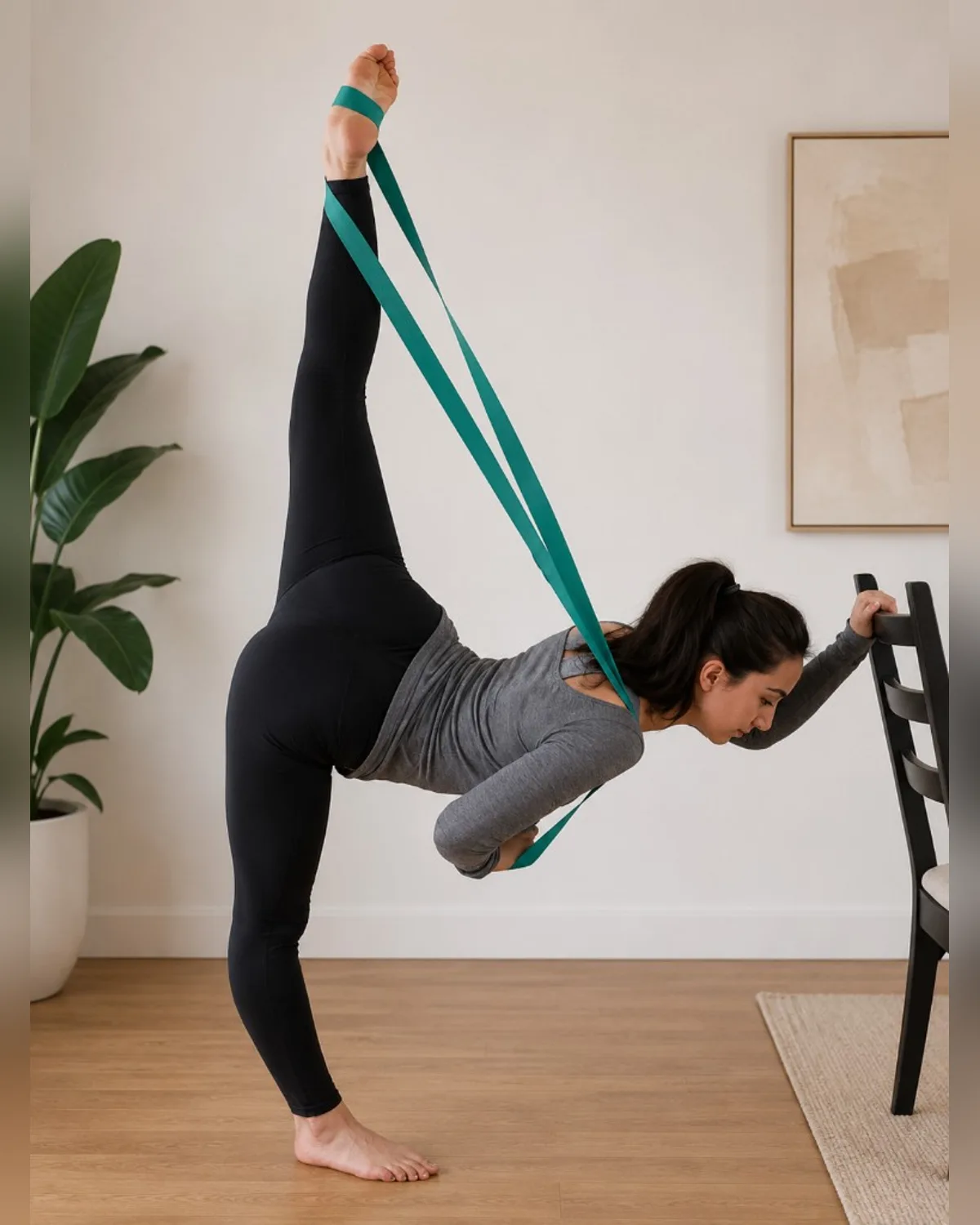
How to do it
- Stand straight facing a chair.
- Hold the band with your right hand, wrapping it around your wrist once.
- Take the other end of the band over your right shoulder and loop it around your left foot.
- Hold onto the chair with your left hand.
- Lean forward toward the chair, slightly arching your back.
- As you lean in, let the band gently draw your left foot upward — only as high as you can control while keeping your pelvis square and your standing leg stable. Never force the foot toward your head.
- Slowly lower your left foot back to the ground while bringing your torso back to a standing position.
- Hold at your controlled end-range for twenty to thirty seconds while concentrating on your breathing and the muscles you are stretching.
- Repeat two times.
- Switch sides and repeat.
Form cues
- Caution: This is an elite, advanced gymnastics/contortion movement. Do not attempt it until you can already sit comfortably in a flat front split with a level, square pelvis.
- Caution: Never yank on the band or force the leg higher — move only into a range you fully control, and stop immediately at any sharp pain in the hamstring, hip, or lower back.
- Keep your standing knee soft, your pelvis square, and your spine long rather than collapsing into your lower back; use the chair only for balance, not to haul yourself deeper.
- Equipment: a gymnastic strength band, yoga strap, or resistance band all work — use whichever you have.
Muscles worked
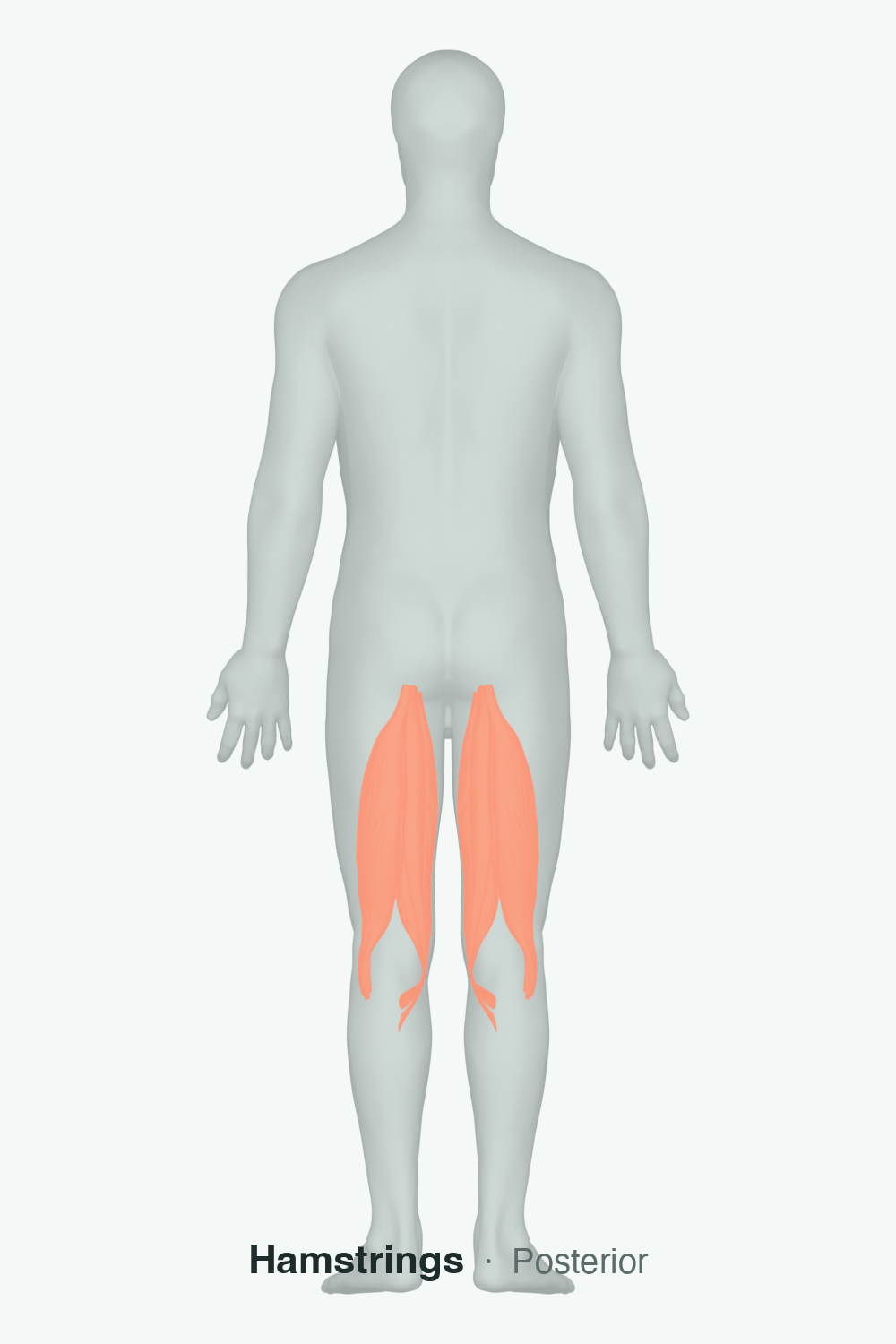
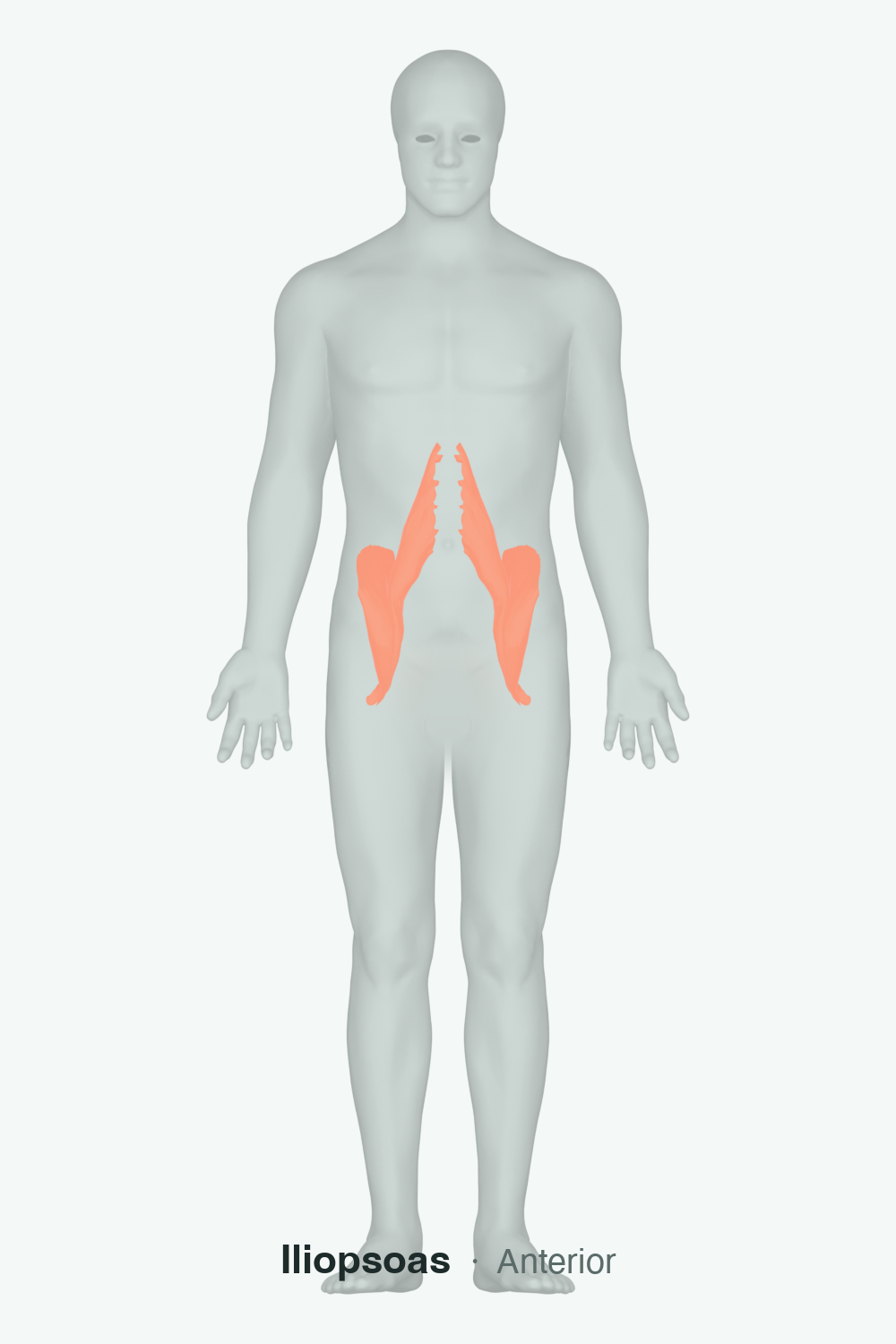
Stretches: hamstrings, hip flexors
Part of a program
Part of Front Splits
This exercise is one move. Front Splits puts it in a plan — so you know what to do, in what order, and how much, week by week.
- Sequenced & dosed — the right exercises, in the right order, at the right volume.
- Progresses with you — difficulty ramps as you get stronger, not on a fixed calendar.
- Personalized — built around the specific limiter actually holding you back.
- Tracks your progress — see what's working and adjust over time.
See the program →
Free · a quick assessment finds your starting point