One-Joint Hip Flexor Stretch (Supine, Knee to Chest)
2 × 25s per side
A supine hip-flexor stretch that holds one knee toward the chest while the opposite leg reaches toward the floor.
The posture scan does not measure thoracic kyphosis, lordosis, or flat-back posture directly. This exercise may still help mobility and strength that support overall alignment — it is wellness education, not a diagnosis.
An illustration is coming soon. Follow the step-by-step instructions below.
How to do it
- Lie supine and pull one knee toward the chest until the low back is flat on the table/floor.
- Keeping the back flat, press the other leg (knee straight) down toward the table by tightening the buttock (gluteus maximus).
- Maintain knee extension on the stretching leg and keep the back flat throughout.
Form cues
- Low back must stay flat - if it arches you have lost the stretch
- Progress gradually and stop if the position aggravates the low back or pinches the front of the hip
Why this exercise helps
Holding one knee toward the chest limits how much the pelvis and lower back can move while the opposite hip extends. That setup may make the stretch easier to notice at the front of the extended hip than in a standing lunge, although it does not isolate a single muscle. Gently engaging the buttock of the extended side adds active hip-extension effort. The useful range ends before the lower back arches or the front of the hip pinches; neither sitting history nor pelvic posture proves that a hip flexor is physically short.
Stop or modify if
- Letting the low back arch to make the extended leg look lower. Stop the leg where the trunk and pelvis can remain comfortable and controlled.
- Forcing the extended knee straight when that creates pulling behind the knee. Use a small knee bend if needed and focus on the sensation at the front of the hip.
- Pulling the hugged knee forcefully toward the face. Hold it comfortably toward the chest without creating back, groin, or hip-joint pain.
Modifications and progressions
- Perform on a firm surface such as a hard floor rather than a soft mattress so the low back stays consistently flat throughout the hold.
- If the extending leg cannot approach the floor without arching the back, let it remain elevated at a comfortable height while maintaining the flat-back position before working toward greater range.
Muscles worked
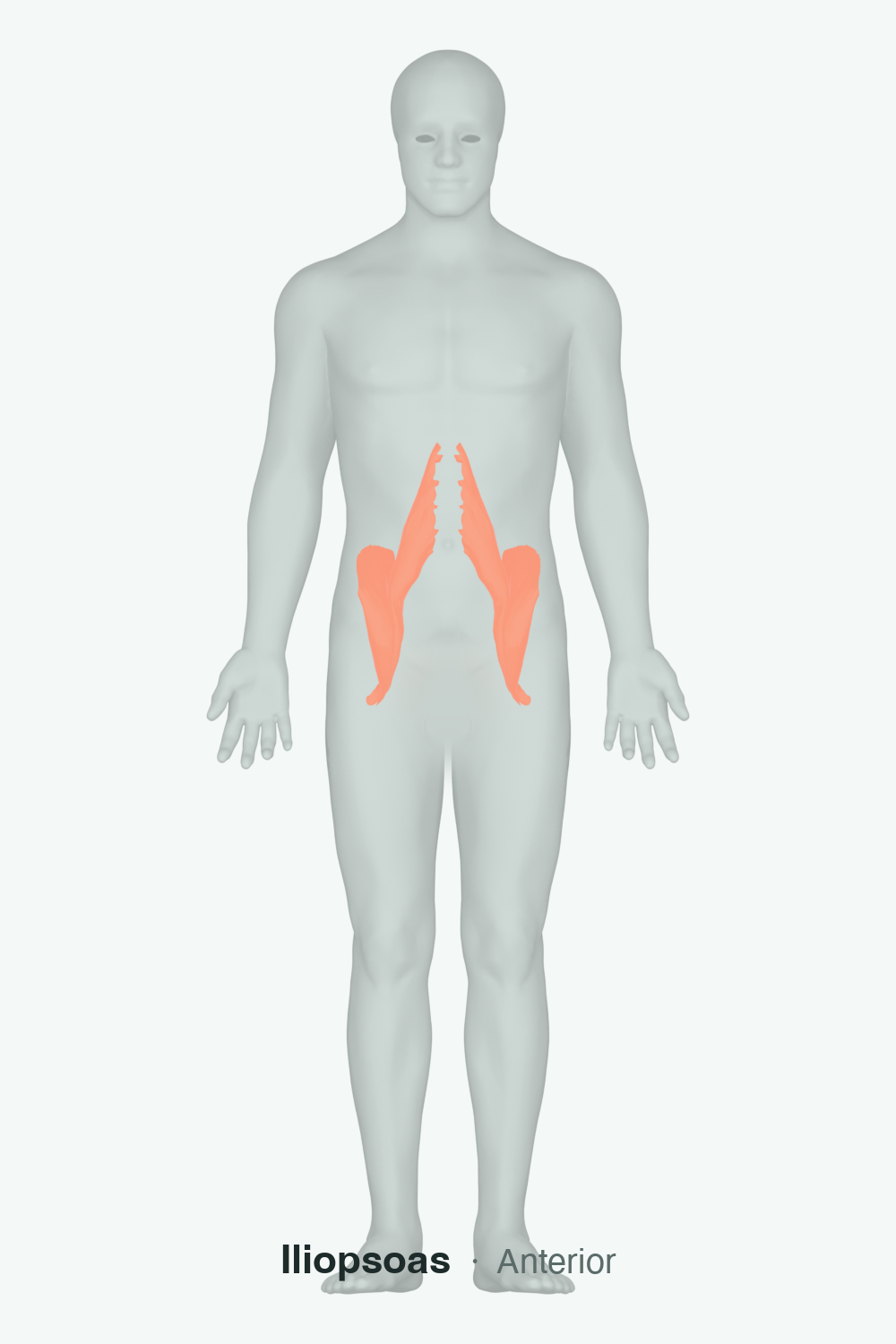
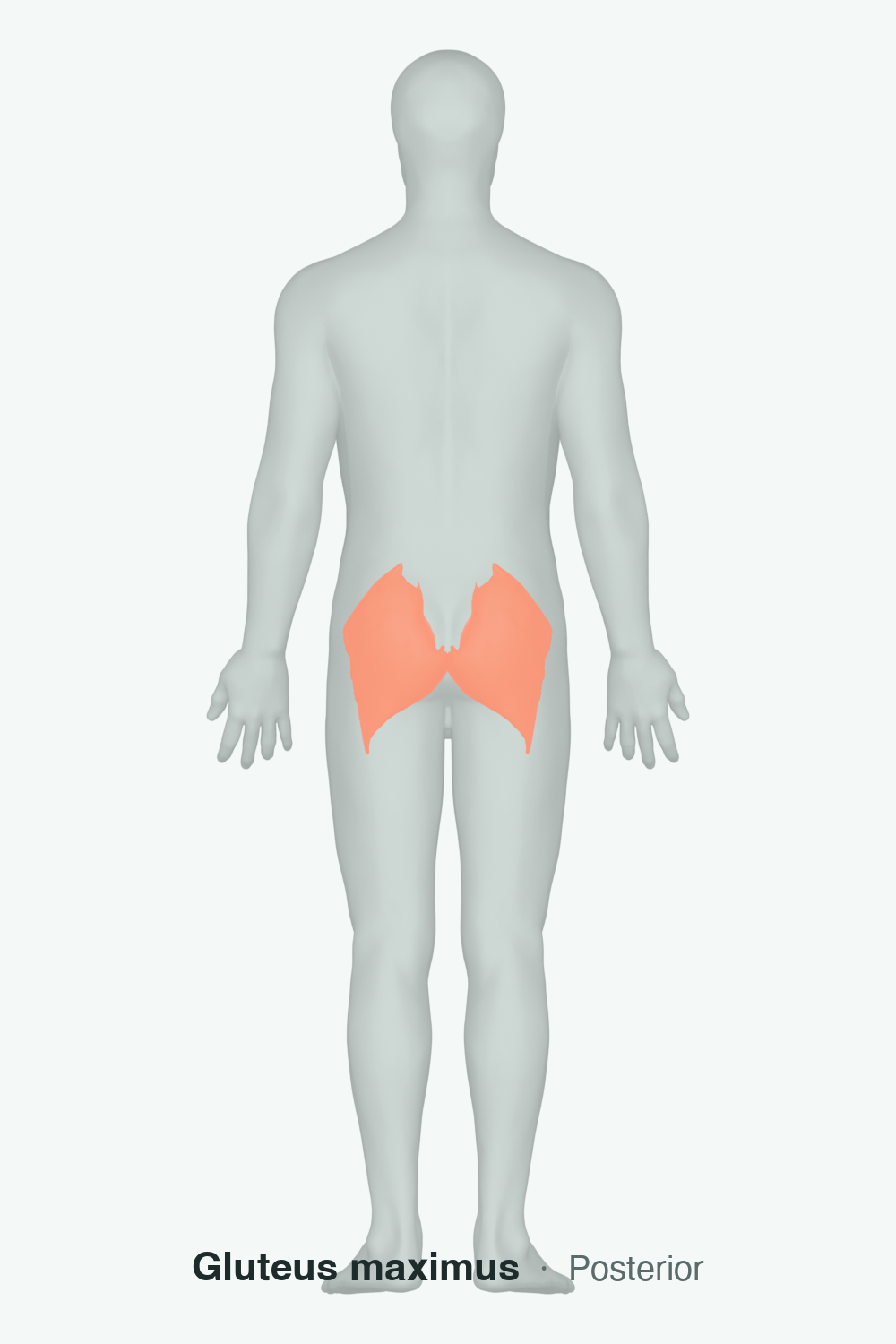
Stretches: iliopsoas, hip flexors
Strengthens: gluteus maximus
Part of a program
Part of Lower-Body Posture Reset
This exercise is one move. Lower-Body Posture Reset puts it in a plan — so you know what to do, in what order, and how much, week by week.
- Sequenced & dosed — the right exercises, in the right order, at the right volume.
- Progresses with you — difficulty ramps as you get stronger, not on a fixed calendar.
- Personalized — built around the specific limiter actually holding you back.
- Tracks your progress — see what's working and adjust over time.
Free · a quick assessment finds your starting point