Standing Elevated Hamstring Stretch (Contract-Relax)
2 × 25s per side
An elevated hamstring contract-relax stretch using a brief, gentle heel press followed by a comfortable passive hold.
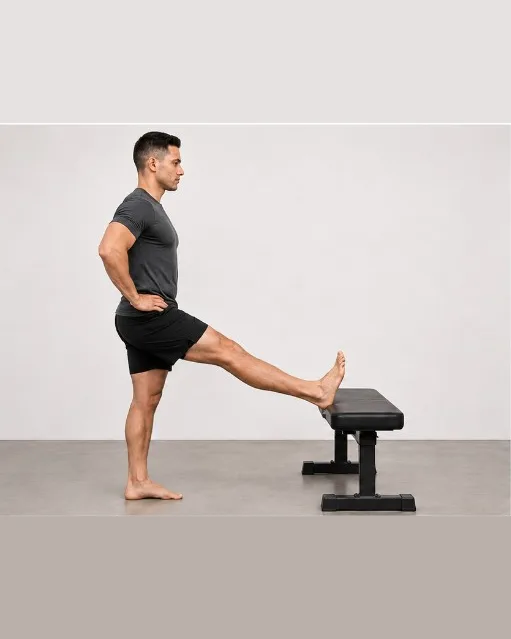
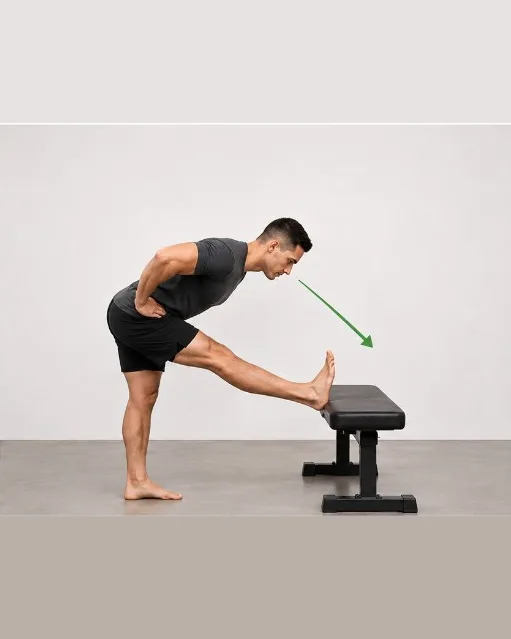
How to do it
- Place one heel on a low bench with the working knee comfortably straight and the standing knee soft.
- Hinge from the hips with a long spine until you feel mild hamstring tension.
- Press the heel into the bench at about 20–40% effort for 5 seconds.
- Relax fully, then hold a comfortable stretch for about 20 seconds without forcing a deeper range.
- Return upright briefly, repeat the contract-relax cycle once more, then switch legs.
Form cues
- Use a submaximal contraction and keep breathing.
- Do not force additional range after each cycle.
- Stop for posterior-knee pain, tingling or radiating symptoms.
- Rest your hands on your hips.
Why this exercise helps
Contract-relax stretching alternates a brief isometric contraction with a relaxed stretch. Some people find that this sequence temporarily increases stretch tolerance or makes the next hold feel more comfortable. Elevating the heel places the hip in flexion while the knee remains straight, creating tension along the hamstrings. Use only the prescribed gentle effort rather than a maximal contraction, and do not force extra range after relaxing. Stop and seek assessment for radiating pain, tingling, or persistent symptoms behind the knee.
Stop or modify if
- Contracting at full effort instead of using the prescribed gentle heel press. Keep the effort moderate and free of cramping or pain.
- Immediately forcing the range deeper right after the contraction. Allow the tissue to settle for a breath before easing passively into the new position.
- Rounding the lower back to reach the elevated foot. Hinge at the hip with a long spine; rounding transfers the sensation to the back rather than the hamstring.
Modifications and progressions
- Use a lower surface — a step or low box — if a standard bench makes it hard to maintain a neutral spine with the knee straight.
- To regress, perform the contract-relax cycle seated on the floor with a straight leg and a resistance band or belt around the foot instead of using a bench.
- To progress, use a slightly higher support only if the current position remains comfortable and the spine and knee stay controlled.
Muscles worked
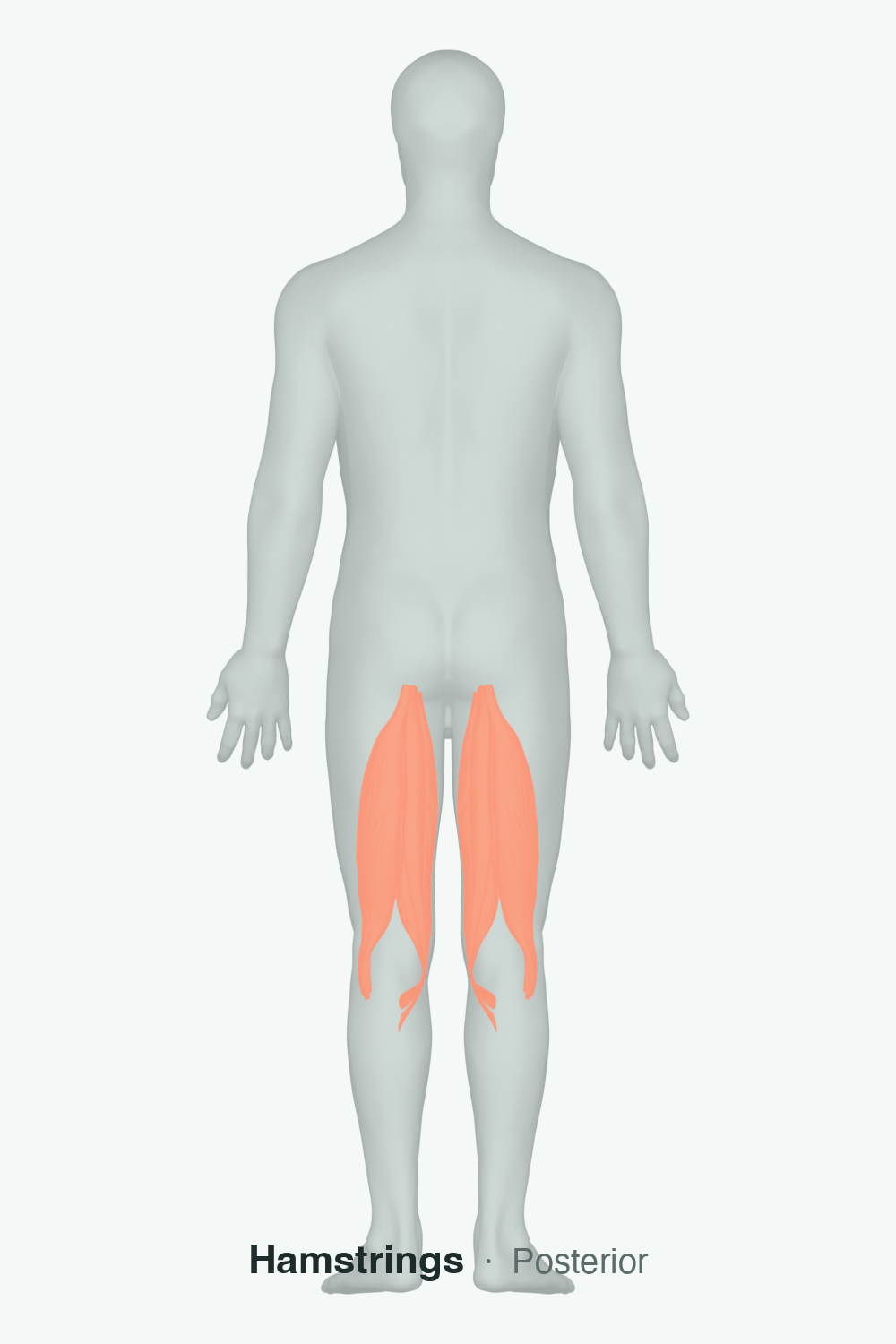
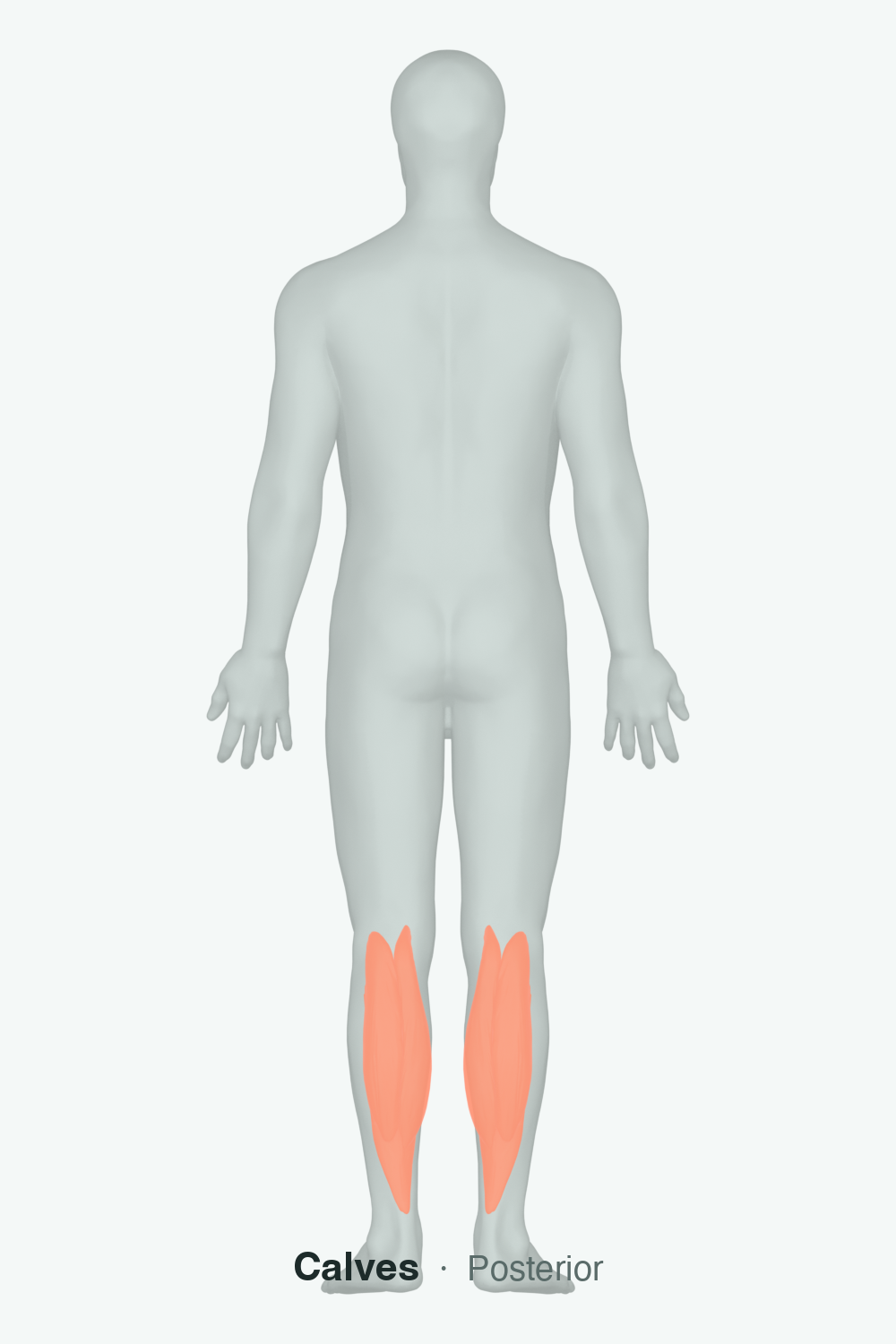
Stretches: hamstrings, gastrocnemius
Part of a program
Part of Front Splits
This exercise is one move. Front Splits puts it in a plan — so you know what to do, in what order, and how much, week by week.
- Sequenced & dosed — the right exercises, in the right order, at the right volume.
- Progresses with you — difficulty ramps as you get stronger, not on a fixed calendar.
- Personalized — built around the specific limiter actually holding you back.
- Tracks your progress — see what's working and adjust over time.
Free · a quick assessment finds your starting point
Related exercises
Frequently asked questions
What is the contract-relax technique and why does it work?
Contract-relax is a stretching method that pairs a brief isometric muscle contraction with a relaxed hold. It may temporarily change stretch tolerance and make the following position feel more accessible. The exact response varies, so use the sequence as a controlled option rather than forcing a new range.
How hard should I press during the isometric contraction?
Use the page's 20–40% cue as a gentle-to-moderate heel press rather than a maximal effort. Breathe normally and stop the contraction if it causes cramping, pain, or shaking that you cannot control.
Where should I feel the hamstring stretch?
The stretch sensation should be in the middle to upper portion of the back of the thigh. A sharp pull directly behind the knee may indicate the stretch is loading the popliteal structures rather than the hamstring belly — reduce the range or soften the knee slightly. Discomfort in the lower back suggests the spine is rounding to compensate; hinge further from the hips with a longer spine and reduce the overall depth.
Why does this exercise warn me to stop for tingling or radiating symptoms?
The sciatic nerve runs alongside the hamstrings, and its mechanosensitivity varies between individuals. An elevated-leg position with the knee extended applies a neural stretch component in addition to the muscular one. Tingling, pins-and-needles, or symptoms that travel toward the foot suggest the nerve is being loaded beyond a comfortable threshold. Reducing the range usually resolves this; persistent or worsening neurological symptoms warrant clinical assessment before continuing.