Seated Figure 4
3 × 20s per side
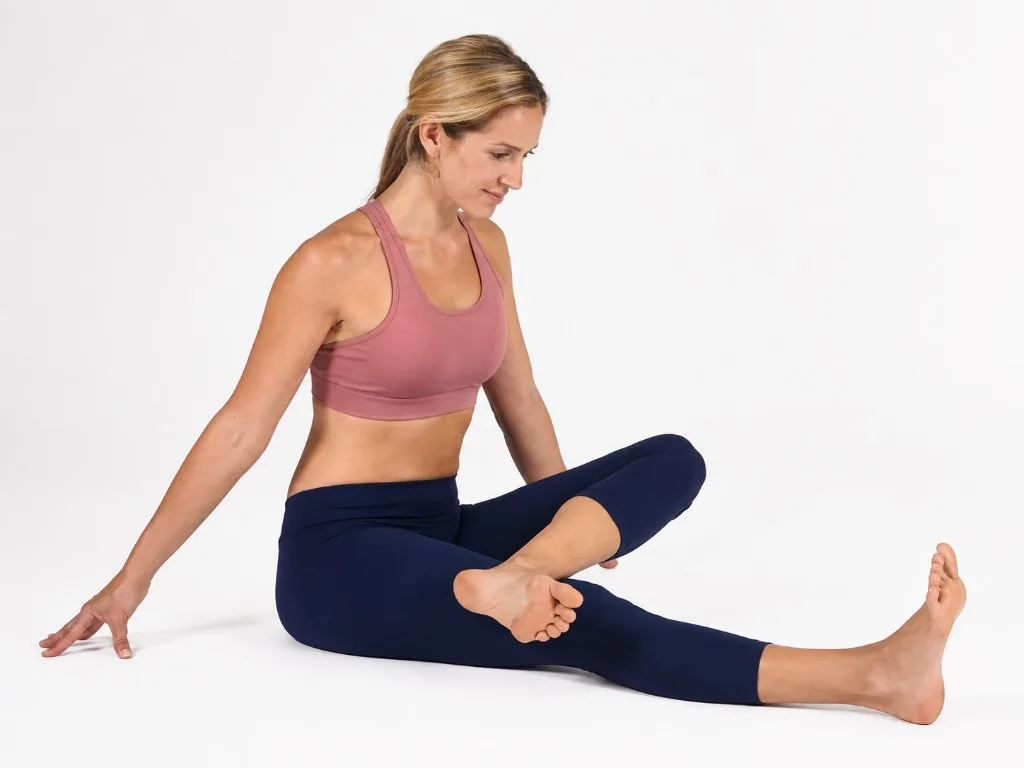
Floor-seated posterior-hip stretch placing one ankle across the opposite thigh and hinging the torso forward from the hips to find depth.
How to do it
- Sit with one leg extended and place the opposite ankle across that thigh in a figure-4 position.
- Place the hands behind you for support and keep the crossed foot comfortably flexed.
- Hinge forward from the hips without pressing the crossed knee down.
- Hold a comfortable posterior-hip stretch for 10 to 30 seconds.
- Repeat the stretch with the other leg.
Form cues
- Use the arms behind the body to support the torso.
- Stop for pain in the crossed knee or pinching at the front of the hip.
Why this exercise helps
The seated figure-4 position targets the gluteus maximus and hip external rotators with more active involvement than the lying variation because the torso hinges forward from the hips rather than being drawn by the arms. Sitting upright with hands placed behind the body for support helps tilt the pelvis to a neutral or slightly forward angle, which makes the hip hinge more effective. The stretch depth can be adjusted by changing how far forward the torso leans, allowing you to work within a comfortable range. It is a useful intermediate option between the floor-lying and standing figure-4 variations.
Stop or modify if
- Rounding through the lower back instead of hinging from the hips, which reduces the stretch at the posterior hip.
- Pressing the crossed knee toward the floor to force depth rather than letting the hip hinge create the sensation.
- Slouching backward instead of maintaining support with the hands behind the body, which flattens the hip angle.
Modifications and progressions
- Sit on a folded blanket or firm cushion to tilt the pelvis slightly forward and make the hip hinge easier.
- Reduce the forward lean if front-of-hip pinching occurs and hold at the point just before discomfort develops.
Muscles worked
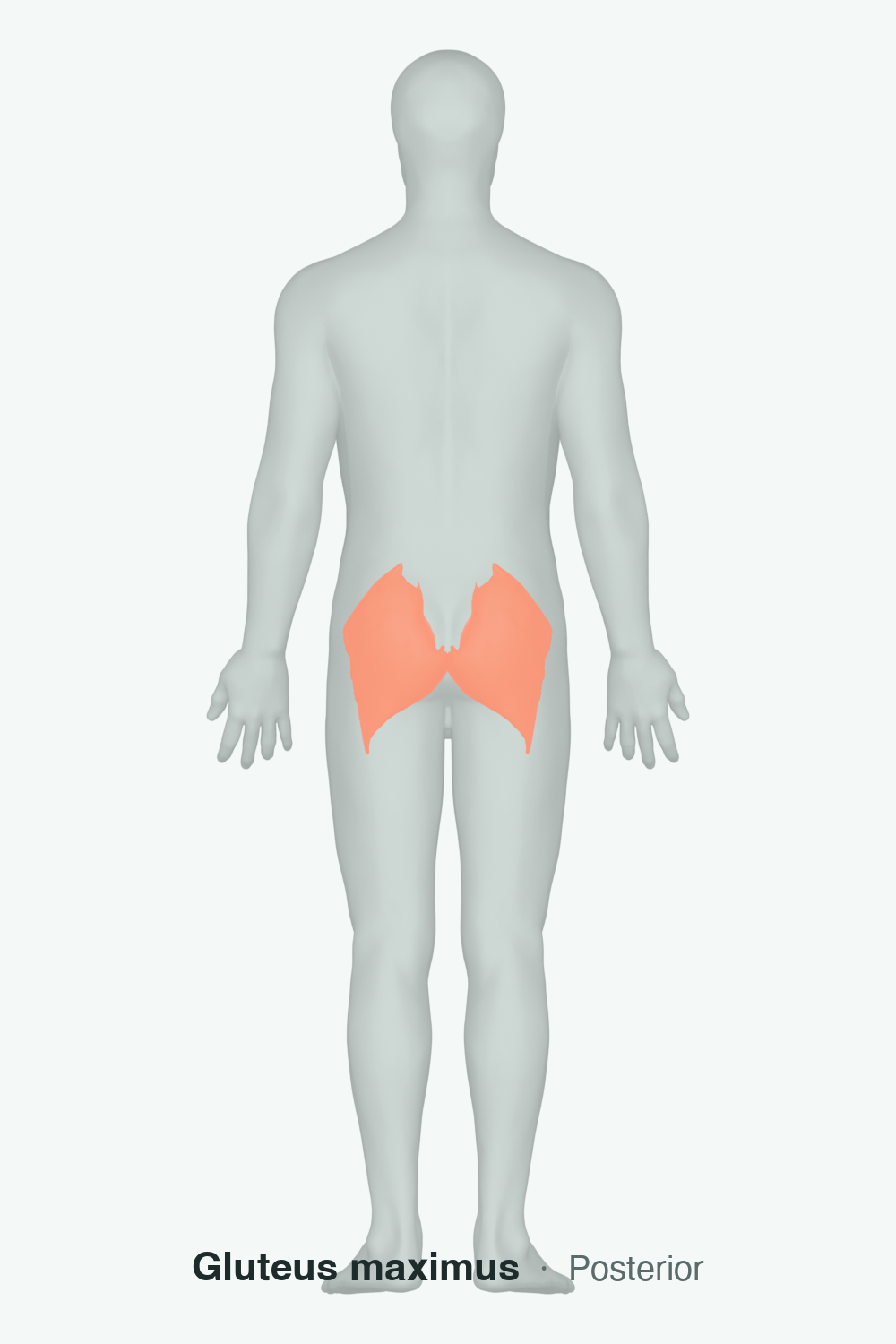
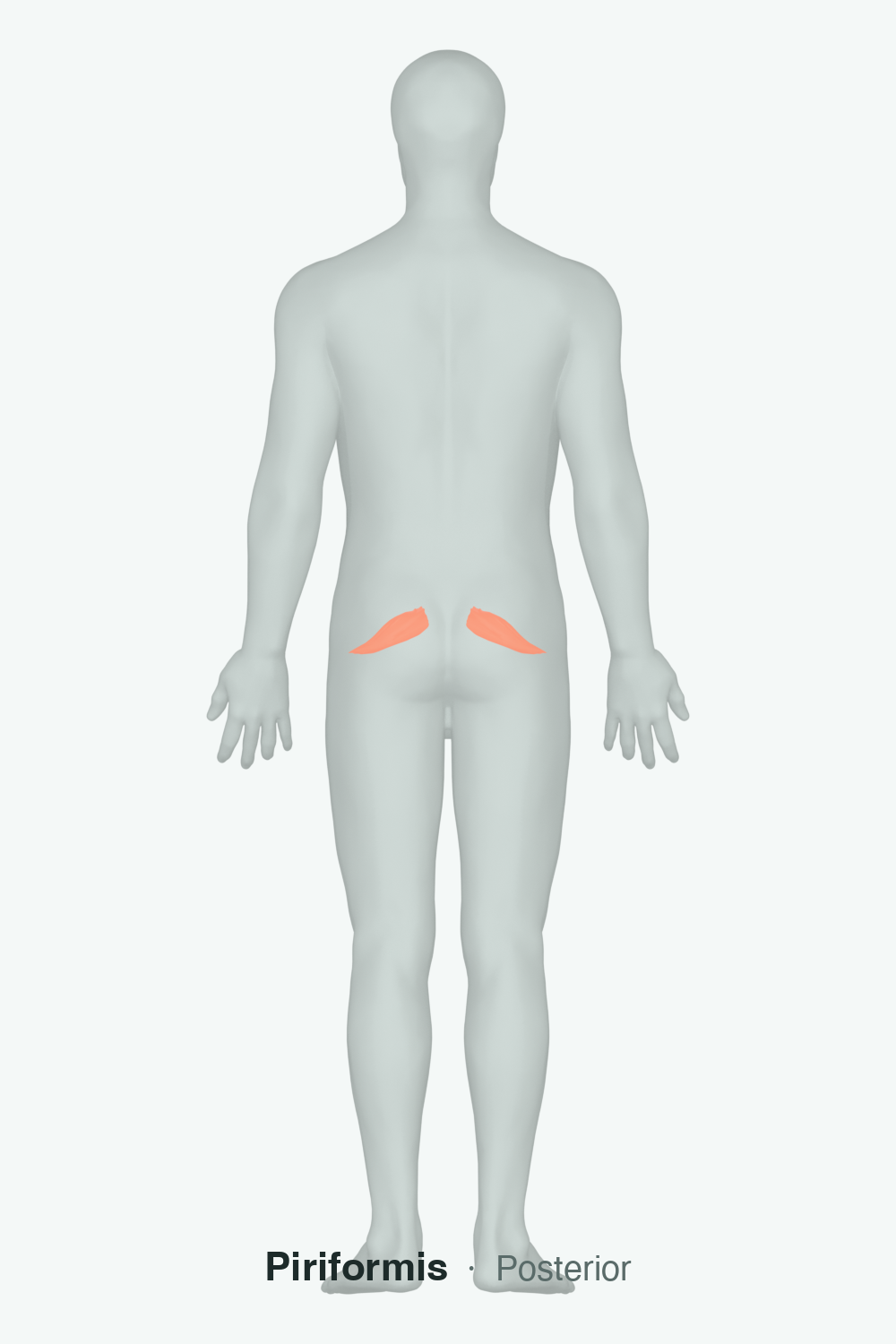
Stretches: gluteus maximus, hip external rotators