Seated Pike Pulses (Active Compression)
2 × 10 reps
A seated active-compression drill using the hip flexors and quadriceps to lift one or both straight legs with control.
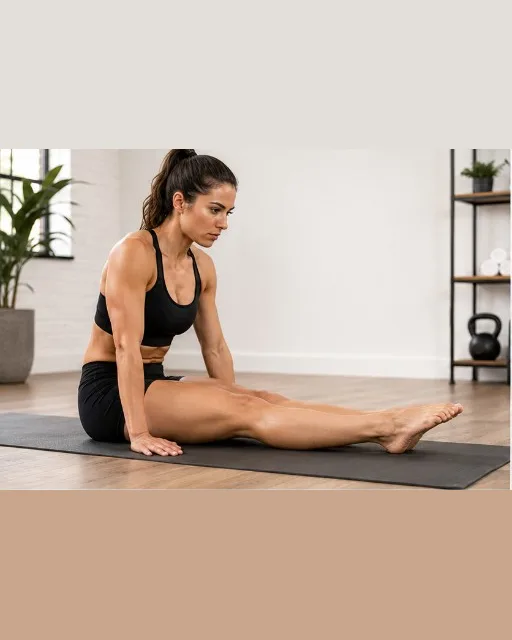

How to do it
- Sit with the legs extended, feet together and ankles in any comfortable position.
- Lean the torso slightly forward and place fingertips, hands or blocks beside the thighs.
- Actively straighten the knees without forcing them into hyperextension.
- Using only your core and hip flexors, lift both legs (or one leg at a time) a few inches off the floor.
- Hold for 1 second, lower without resting completely, and repeat.
Form cues
- Keep the torso forward without holding your breath.
- Move the hands farther back or lift one leg at a time as a regression.
- Stop for hip pinching or quadriceps cramping that prevents control.
Why this exercise helps
Seated pike pulses train active hip flexion: the hip flexors and quadriceps lift the leg while the knee remains straight. This differs from a passive hamstring stretch because the goal is to create and control the range with muscular effort. The drill can complement flexibility work in front-split or pike training by strengthening a position near the current end of hip-flexion range. Raising the hips, moving the hands, or lifting one leg at a time makes the task adjustable when the full bilateral version causes loss of form or discomfort.
Stop or modify if
- Leaning the torso backward to make the lift easier — this recruits the lumbar extensors instead of the hip flexors; maintain the slight forward lean for every rep.
- Hyperextending the knees to snap them straight — actively straighten the legs without jamming the joint; a controlled, softly straight knee is safer for those with knee laxity.
- Holding the breath while bracing to maintain the leg lift — breathe continuously throughout; gripping the breath substitutes for hip-flexor effort and fatigues the hold faster.
Modifications and progressions
- Lift one leg at a time instead of both together if bilateral lifts cause hip pinching or are not yet achievable with control.
- Move the hands farther back behind the hips to reduce the forward-lean angle and lower the hip-flexor demand while learning the pattern.
- Sit on a folded blanket or firm cushion to raise the hips slightly, reducing the hip-flexion angle required and giving the legs more clearance to lift.
Muscles worked
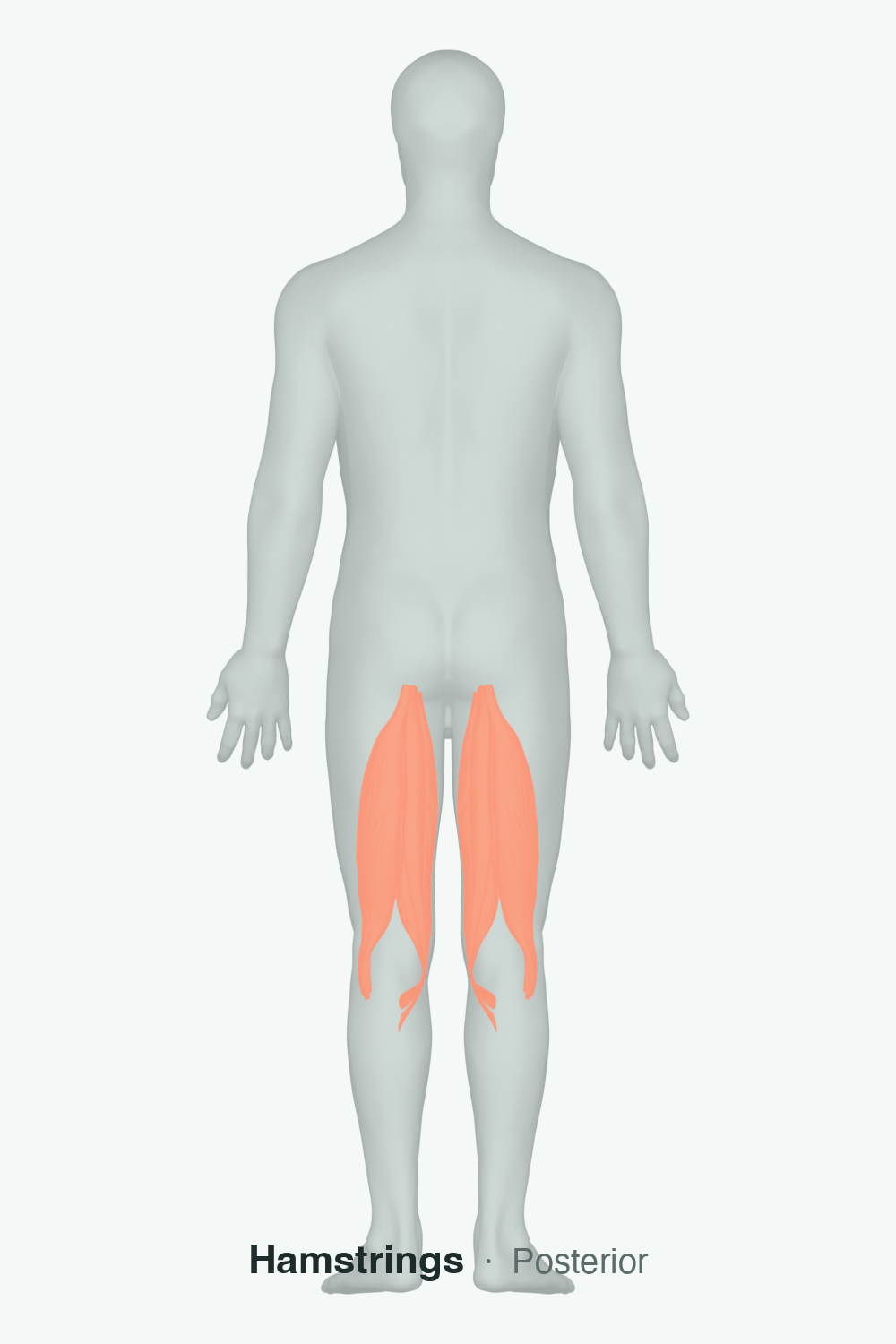
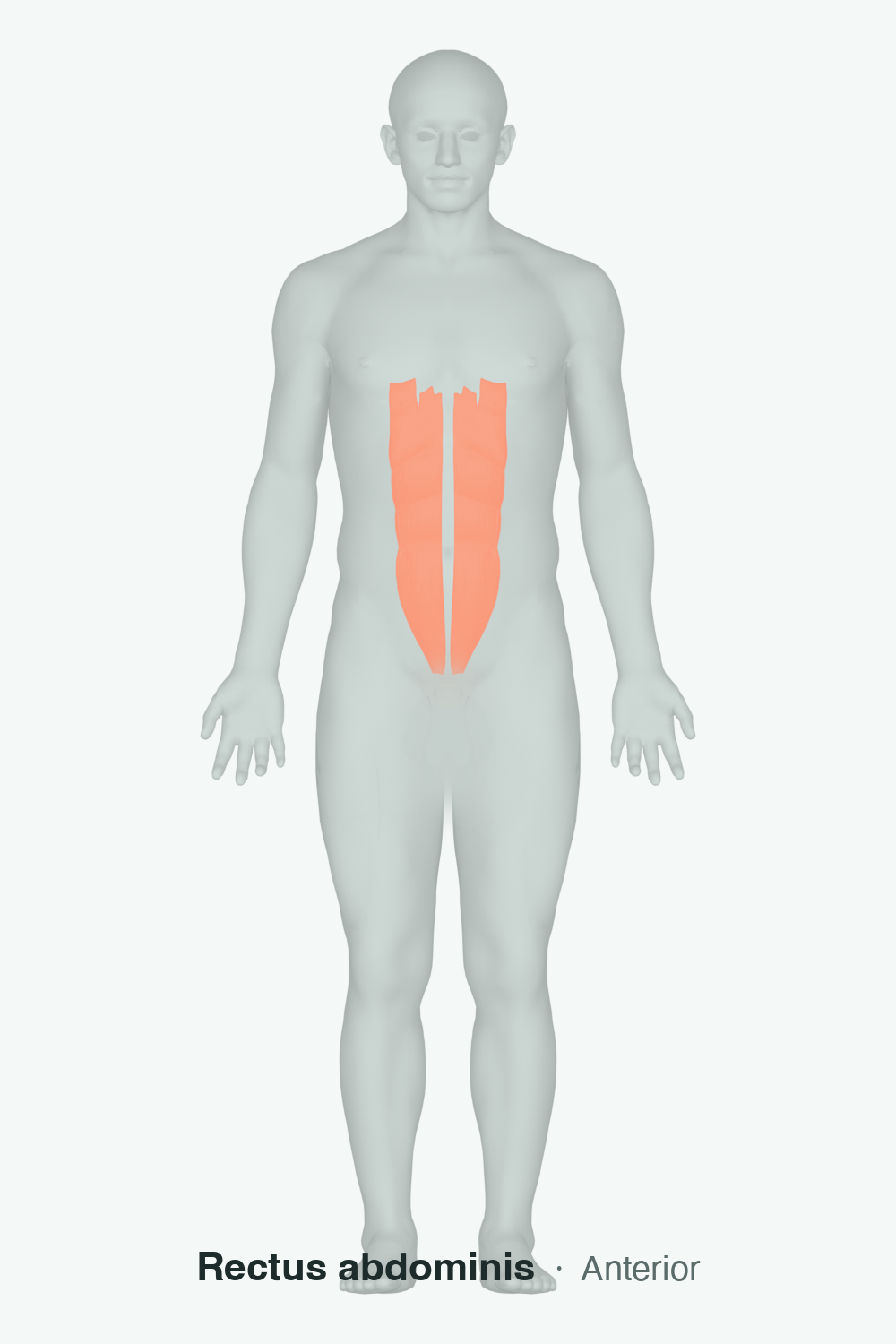
Stretches: hamstrings
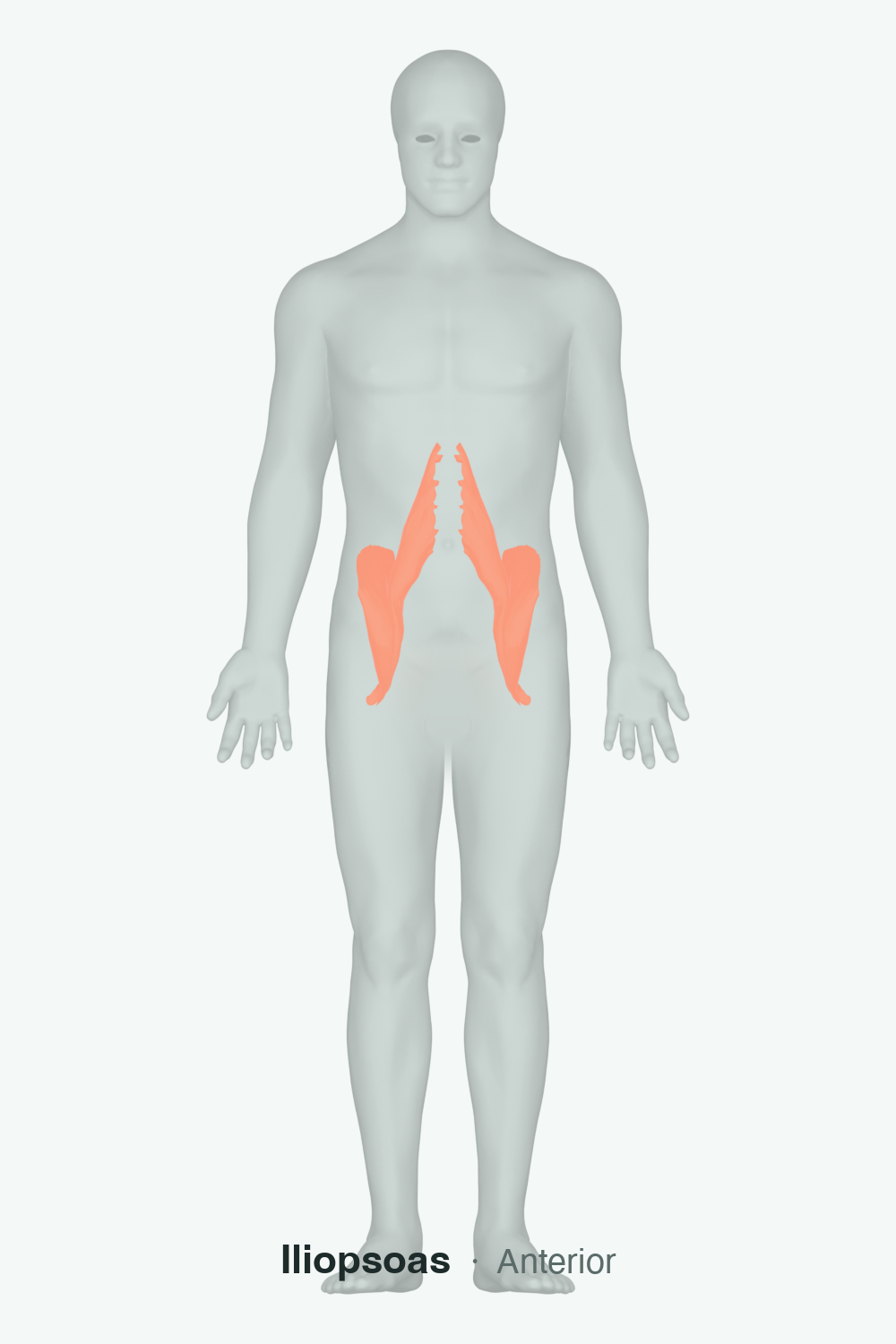
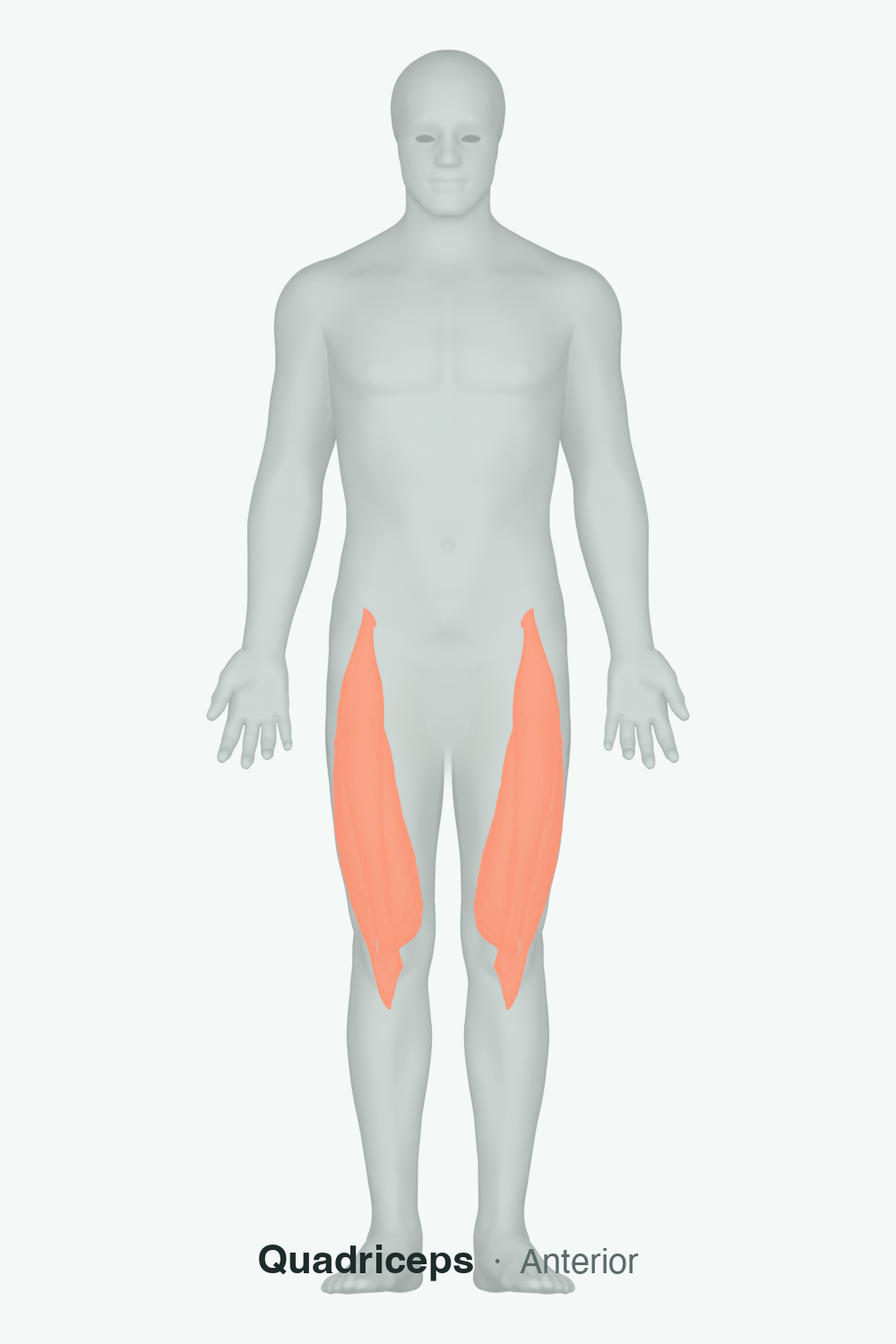
Strengthens: hip flexors, quadriceps, abdominals
Part of a program
Part of Front Splits
This exercise is one move. Front Splits puts it in a plan — so you know what to do, in what order, and how much, week by week.
- Sequenced & dosed — the right exercises, in the right order, at the right volume.
- Progresses with you — difficulty ramps as you get stronger, not on a fixed calendar.
- Personalized — built around the specific limiter actually holding you back.
- Tracks your progress — see what's working and adjust over time.
Free · a quick assessment finds your starting point
Related exercises
Frequently asked questions
What does 'active compression' mean in this exercise?
Active compression means using muscular effort to lift the legs toward the torso rather than relying on gravity or an external stretch. Here, the hip flexors lift and the quadriceps keep the knees straight while the hamstrings are lengthened by the seated position.
Where should I feel the seated pike pulse?
The main effort should be around the front of the hip and thigh as the leg lifts. You may also feel tension along the hamstrings with the knee straight. Stop or modify the exercise for sharp catching, persistent pinching, or increasing hip or back pain.
My hips pinch when I try to lift both legs — what should I do?
Try lifting one leg at a time, moving the hands farther back, or sitting on a folded blanket to reduce the required hip angle. Do not repeatedly push into a sharp pinch. Stop and seek assessment if the symptom persists across easier variations or affects other activities.
How does this exercise connect to front-splits training?
The drill strengthens active hip flexion with a straight knee, which can complement the passive hamstring and hip-flexor mobility used in split training. It is one accessory exercise rather than a direct measure or guarantee of front-split ability.