Supine Knee Hug & Posterior Pelvic Tilt
2 × 10 reps
A gentle knee-to-chest movement paired with a small posterior pelvic tilt to explore lower-back and pelvic position.
The posture scan does not measure thoracic kyphosis, lordosis, or flat-back posture directly. This exercise may still help mobility and strength that support overall alignment — it is wellness education, not a diagnosis.
An illustration is coming soon. Follow the step-by-step instructions below.
How to do it
- Lie supine with hips and knees flexed.
- Hug both knees gently toward the chest, allowing the lower back to move into a comfortable flexed position.
- Release, then practice a posterior pelvic tilt: place a hand under the low back and flatten the back into it by contracting abs and glutes.
- Progress the pelvic tilt to sitting and standing.
Form cues
- Flatten the low back, tuck the tailbone under
- Keep the upper back and neck relaxed
Why this exercise helps
Bringing the knees toward the chest moves the hips and lower back into a flexed position that some people find comfortable after prolonged extension or standing. The following posterior pelvic tilt asks the abdominals and hip muscles to control a small pelvic movement without forcing the spine flat. Pairing the two can help someone distinguish a relaxed mobility position from an active control drill. It is not intended to decompress spinal joints, establish a perfect neutral pelvis, or treat the cause of back pain.
Stop or modify if
- Pulling the knees forcefully so the tailbone curls off the floor. A gentle, relaxed hug is sufficient; the goal is a comfortable position, not end-range loading.
- Tensing the neck and shoulders while performing the pelvic tilt — keep the upper body soft and breathe normally throughout.
- Rushing into the sitting and standing versions before the small pelvic movement feels controlled. Progress only when you can perform it without straining or holding your breath.
Modifications and progressions
- Hug one knee at a time if holding both together causes hip or low-back discomfort.
- Place a small folded towel under the head if the neck feels strained in the lying position.
Muscles worked
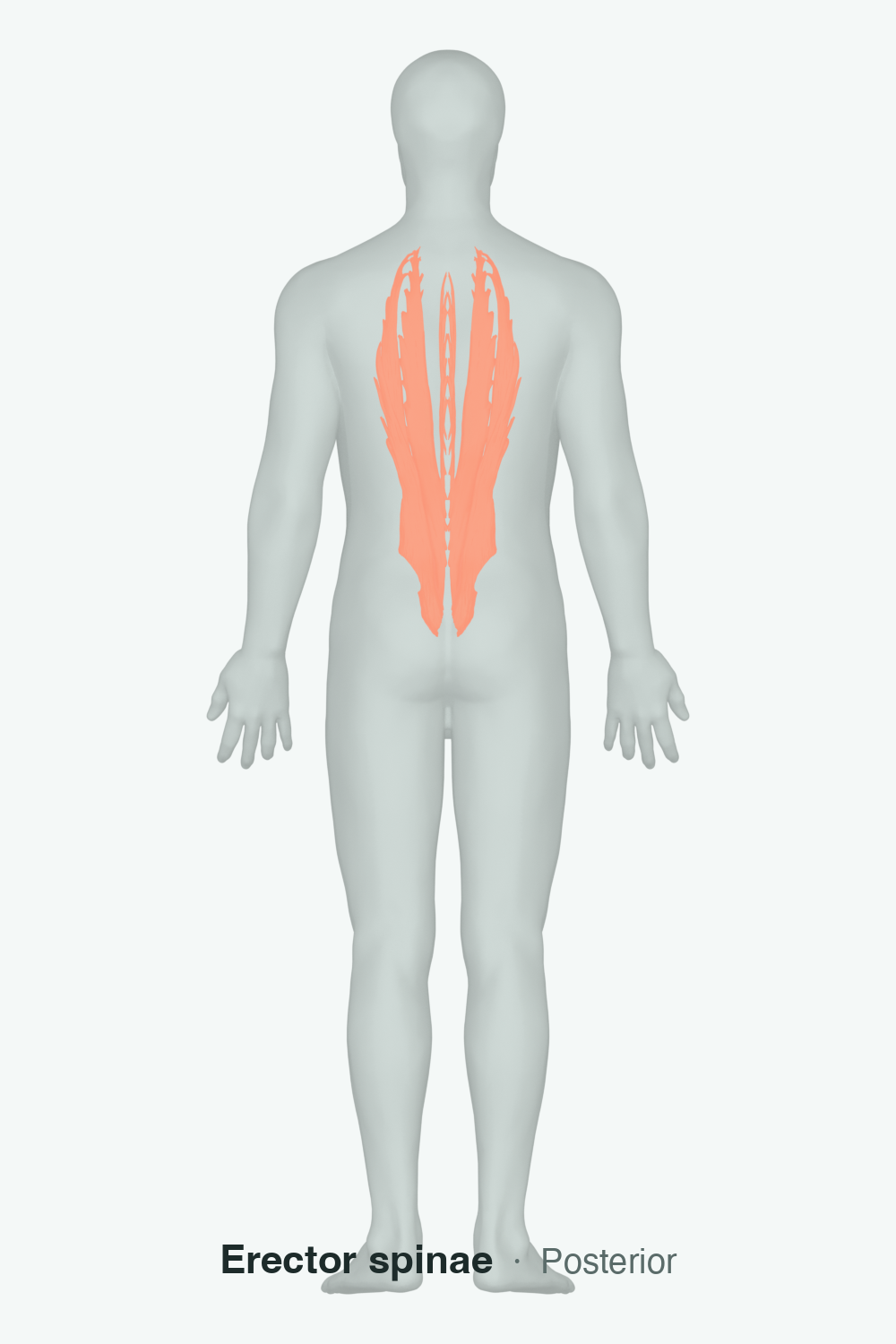
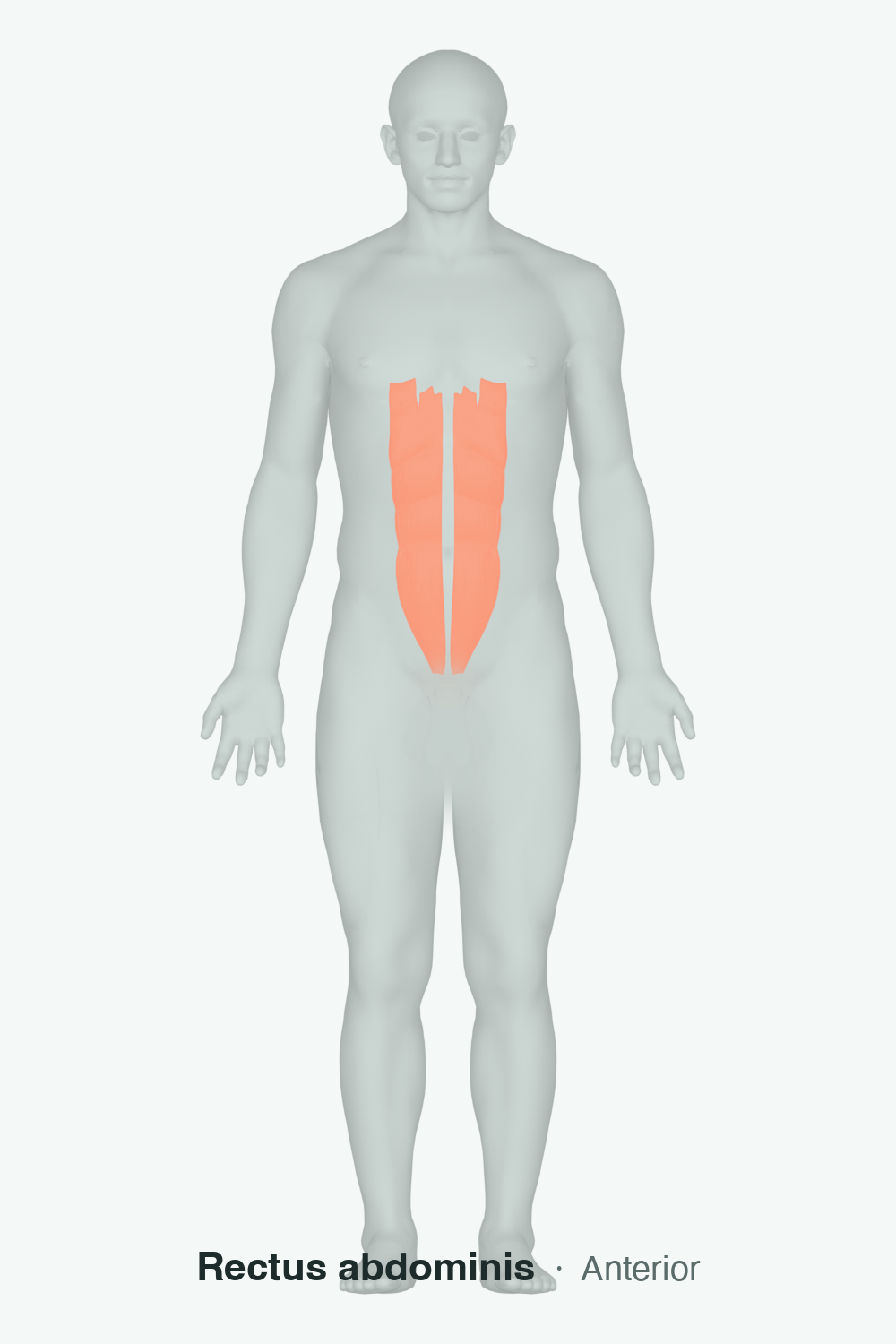
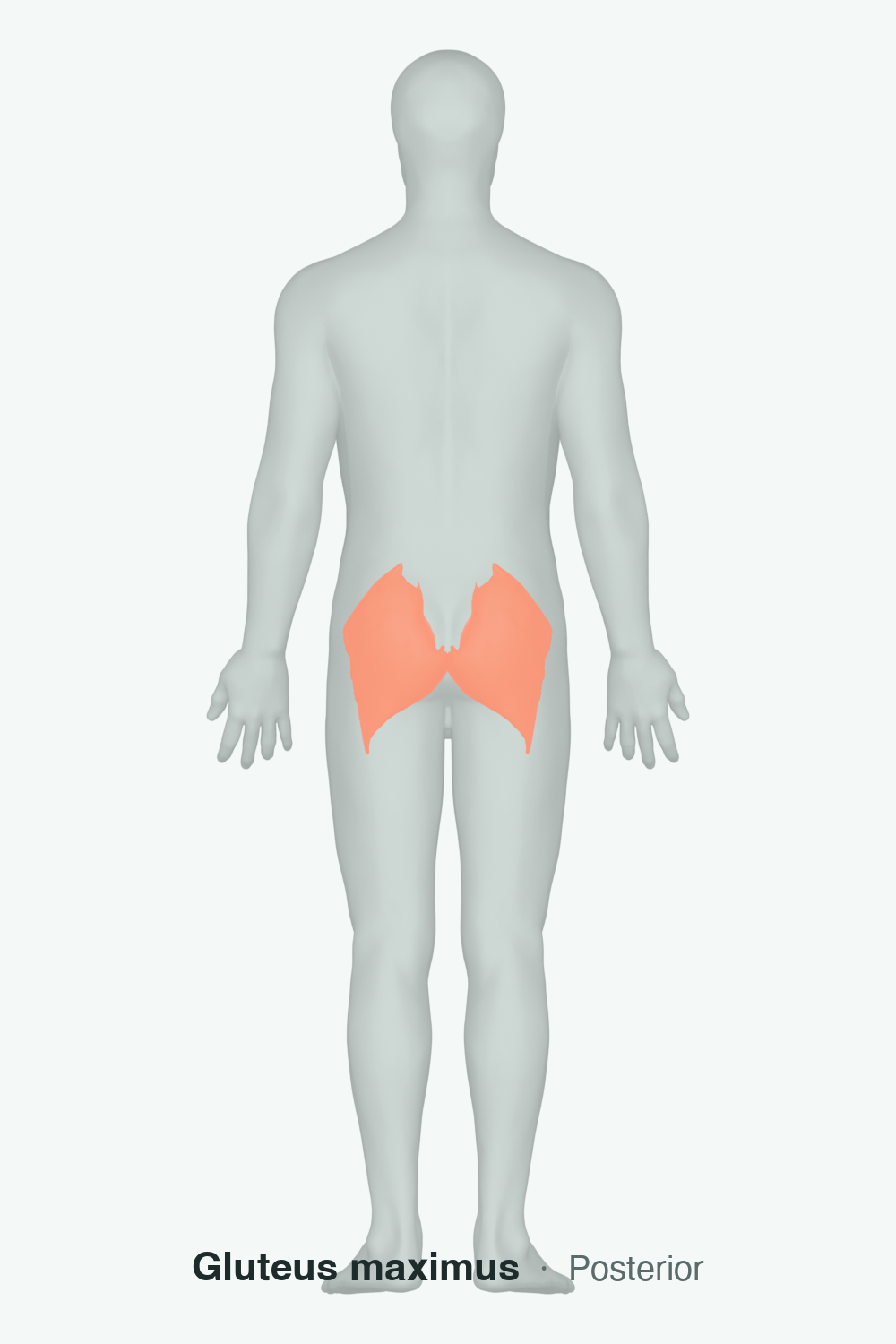
Stretches: erector spinae, thoracolumbar fascia
Strengthens: abdominals, gluteus maximus
Part of a program
Part of Lower-Body Posture Reset
This exercise is one move. Lower-Body Posture Reset puts it in a plan — so you know what to do, in what order, and how much, week by week.
- Sequenced & dosed — the right exercises, in the right order, at the right volume.
- Progresses with you — difficulty ramps as you get stronger, not on a fixed calendar.
- Personalized — built around the specific limiter actually holding you back.
- Tracks your progress — see what's working and adjust over time.
Free · a quick assessment finds your starting point