Hollow-Body Hold
3 × 15s
A scalable supine core hold that challenges trunk control as the legs and arms move farther from the body.
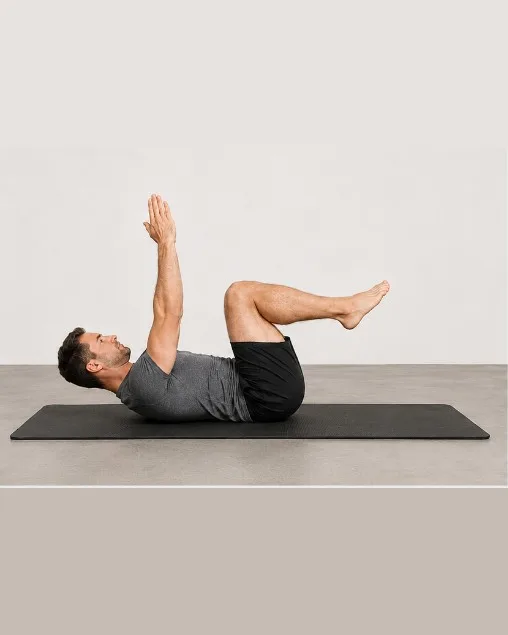
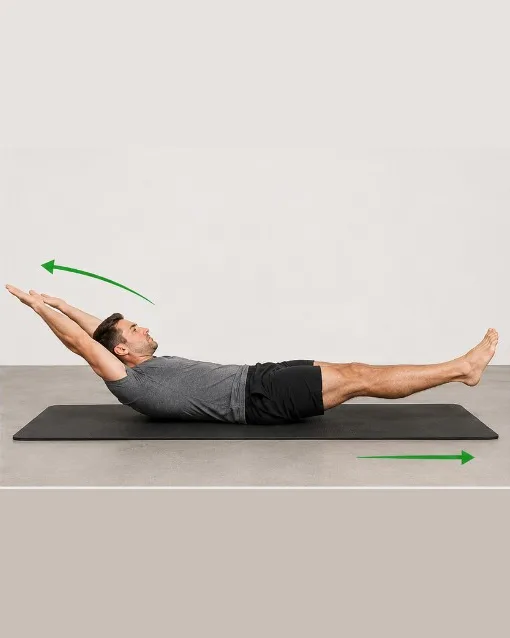
How to do it
- Lie on your back with the knees tucked and establish a gentle posterior pelvic position without pressing the lower back forcefully.
- Lift the head and shoulders slightly, keeping the neck long; support the head if neck fatigue dominates.
- Begin with the arms by the sides and knees bent, then progress by extending one leg, both legs higher and finally the arms overhead.
- Hold while breathing steadily and raise the legs or bend the knees before the lower back lifts or becomes painful.
Form cues
- Choose the easiest variation that maintains rib and pelvic control.
- Do not brace maximally or hold your breath.
- Stop for lower-back or front-of-hip pain.
Why this exercise helps
The hollow-body hold challenges the abdominal muscles to control the ribcage and pelvis as the arms and legs create longer lever arms. Bent knees and arms by the sides make the task easier; straighter, lower legs and overhead arms make it harder. The useful variation is the one that allows steady breathing and a comfortable lower-back position for the full hold. This is a trunk-endurance exercise, not a requirement to press every person's spine completely flat or tolerate back and hip discomfort.
Stop or modify if
- Jumping to the hardest variation (legs low, arms overhead) before core control is established. If the lower back lifts from the floor at any point during the hold, the variation is too advanced—raise the legs or bend the knees.
- Pressing the lower back forcefully into the floor by maximal bracing. The posterior pelvic position should be gentle and sustainable, not an aggressive squeeze that recruits the hip flexors as a shortcut.
- Holding the breath throughout the hold. Breathing during the hold confirms that stability comes from muscular positional control rather than intra-abdominal pressure alone.
Modifications and progressions
- Keep both knees bent and feet off the floor (tucked position) as the entry-level variation; extend one leg at a time only after holding the tucked shape for the full set without the back lifting.
- Support the head with one hand if neck fatigue dominates early so attention can stay on rib and pelvis position rather than on neck discomfort.
- Shorten the hold duration rather than letting form break—a few quality seconds with a flat back is more productive than a longer hold with the lower back lifted.
Muscles worked
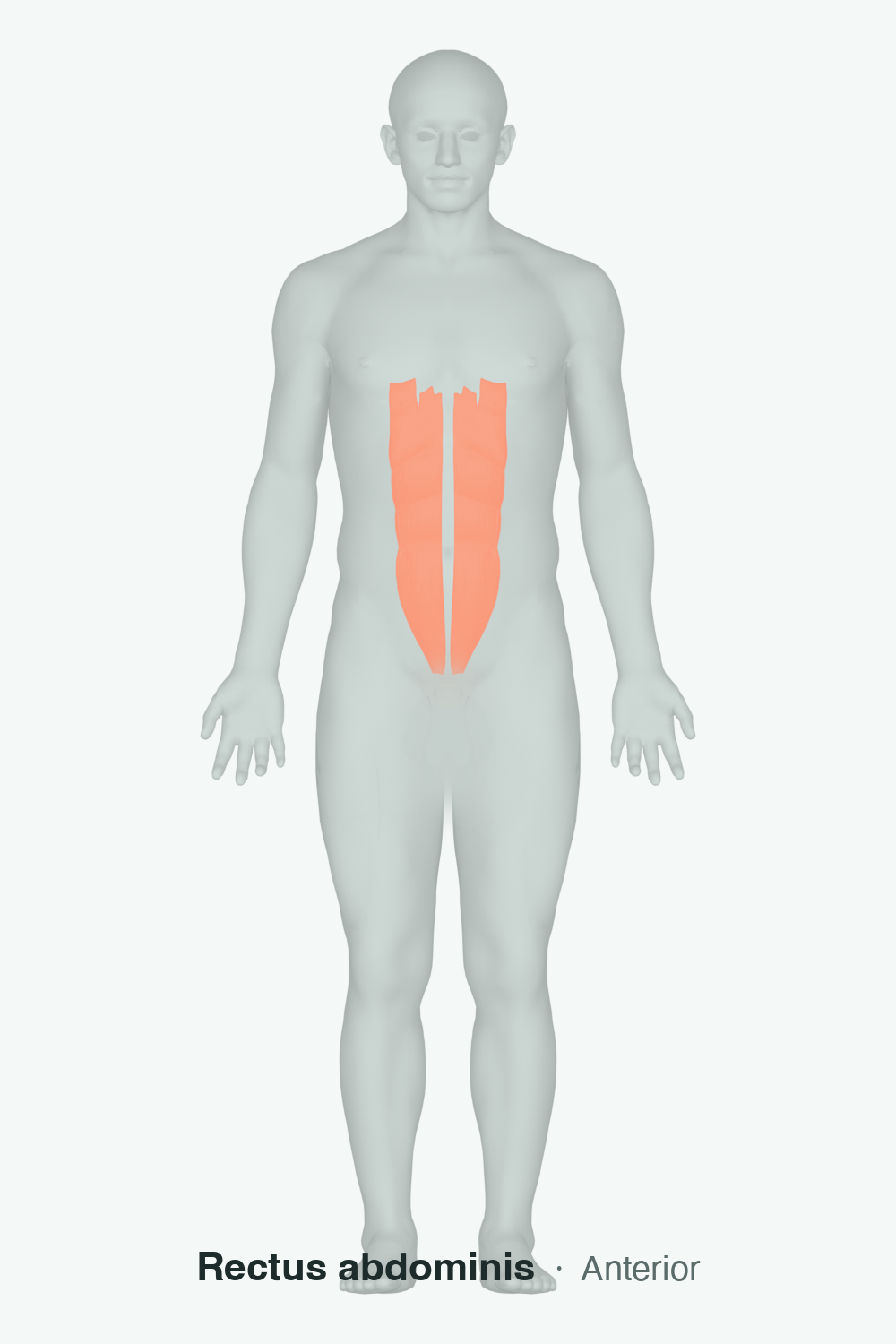
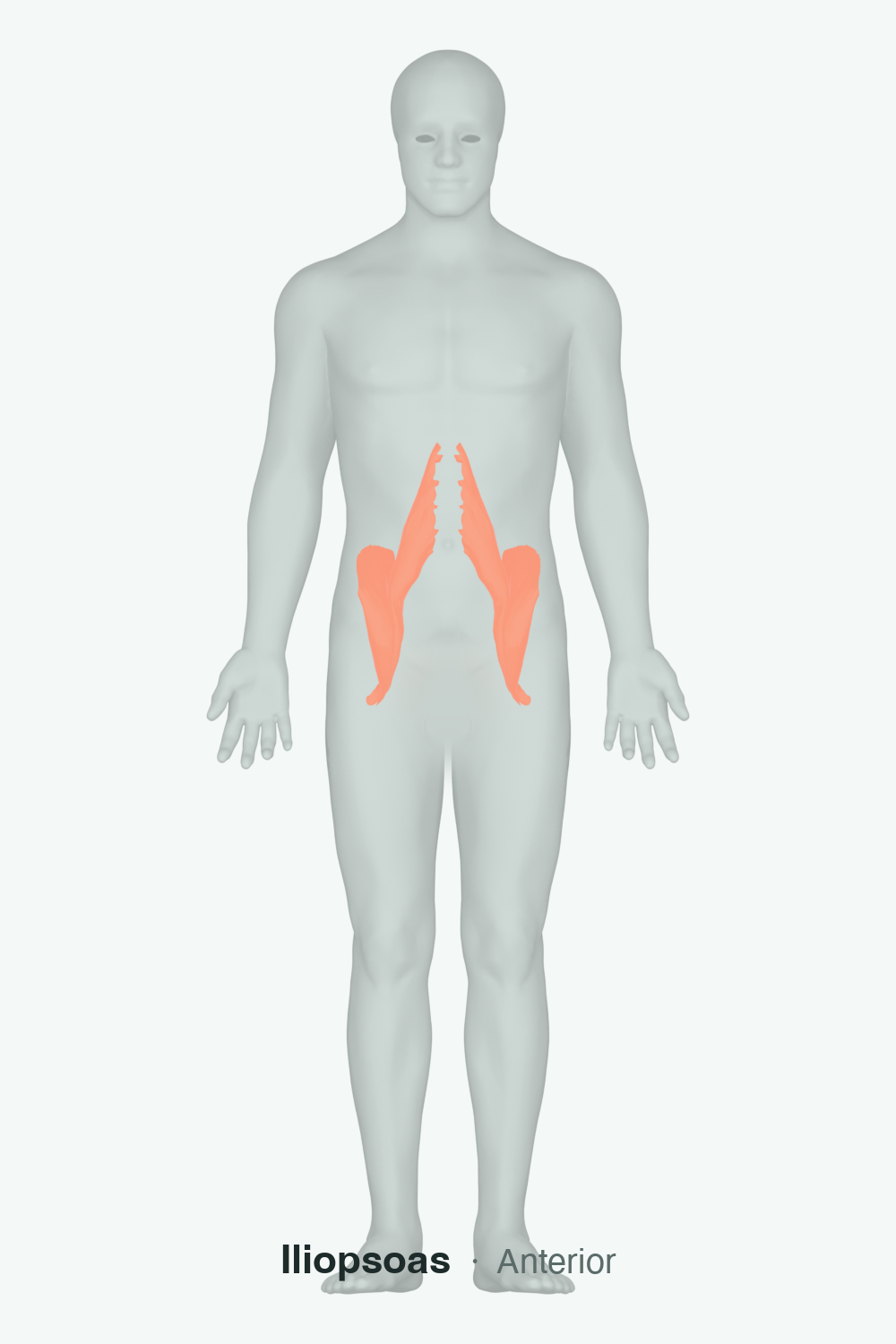
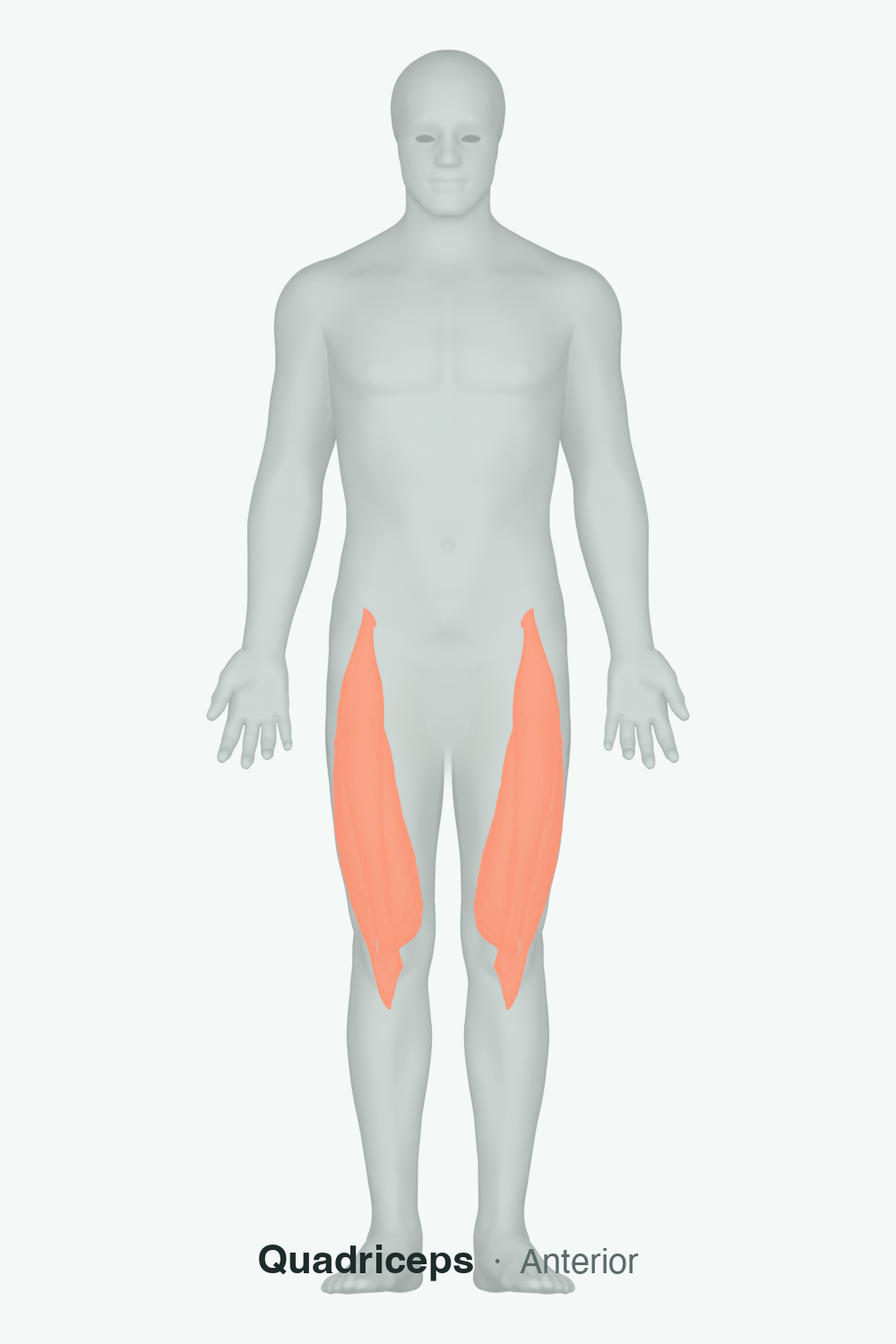
Strengthens: abdominals, hip flexors, quadriceps, scapular stabilizers
Part of a program
Part of Front Splits
This exercise is one move. Front Splits puts it in a plan — so you know what to do, in what order, and how much, week by week.
- Sequenced & dosed — the right exercises, in the right order, at the right volume.
- Progresses with you — difficulty ramps as you get stronger, not on a fixed calendar.
- Personalized — built around the specific limiter actually holding you back.
- Tracks your progress — see what's working and adjust over time.
Free · a quick assessment finds your starting point
Related exercises
Frequently asked questions
What is the hollow-body hold supposed to do for my core?
It trains the abdominal muscles to control the trunk while the arms and legs create leverage away from the body. The goal is sustainable control and breathing, not maximal effort or achieving the lowest possible leg position.
How do I know if my lower back is lifting during the hold?
Notice whether the lower back begins to arch farther away from its starting position or becomes uncomfortable as the legs lower. Raise the legs or bend the knees until you can maintain a controlled, comfortable position. A small natural gap is not automatically a form failure.
Should I hold my breath during the hollow hold?
Breathe steadily rather than holding your breath for the entire set. If normal breathing causes the position to collapse, choose an easier variation, raise the legs, bend the knees, or shorten the hold.
I feel lower-back or front-of-hip strain. Should I push through?
No. Lower-back discomfort during the hold means the lumbar spine is lifting and the variation is currently beyond your controlled range. Reduce the lever first (raise legs, bend knees) and stop if discomfort persists. Front-of-hip cramping or pain is also a signal to regress, shorten the hold, or rest before continuing.