Foam Roller Thoracic Extension
1 × 5 reps
A supine foam-roller drill for practicing comfortable thoracic extension after prolonged seated or forward-reaching tasks.
The posture scan does not measure thoracic kyphosis, lordosis, or flat-back posture directly. This exercise may still help mobility and strength that support overall alignment — it is wellness education, not a diagnosis.
An illustration is coming soon. Follow the step-by-step instructions below.
How to do it
- Lie supine with a foam roller across the mid-back, perpendicular to the spine.
- Support the head with the hands and gently extend over the roller.
- Roll slowly to mobilise different thoracic segments.
- Keep movements small and controlled.
Form cues
- Go slow over each segment, never force
- Avoid if osteoporotic or with thoracic spine pathology
Why this exercise helps
Thoracic extension mobilization uses the foam roller as a support under the mid-back while the upper torso moves through a comfortable extension range. Sliding the roller slightly changes which area receives the support. This can be useful when upper-back stiffness makes overhead reaching or an upright trunk position feel restricted, but it does not isolate one spinal segment or guarantee a posture change. Control the range rather than chasing maximum extension. Avoid this drill without clinical guidance if you have known osteoporosis, a recent spinal injury, or another condition that makes loaded spinal extension unsuitable.
Stop or modify if
- Placing the roller under the lumbar spine. Position it across the mid-back only — the thoracic region — staying well clear of the lower back.
- Extending the neck sharply backward. Support the head throughout and let only the mid-back arch over the roller.
- Forcing range by pressing down hard. Use the weight of the arms as gentle traction; a mild stretch sensation is sufficient.
Modifications and progressions
- Fold a towel over the roller to soften the pressure if the bare roller feels too firm on bony landmarks.
- Sit in a high-backed chair and lean over the top of the backrest instead, which provides similar extension with better head and neck support.
- Progress by crossing the arms over the chest (harder) rather than supporting the head (easier) once the basic movement is comfortable.
Muscles worked
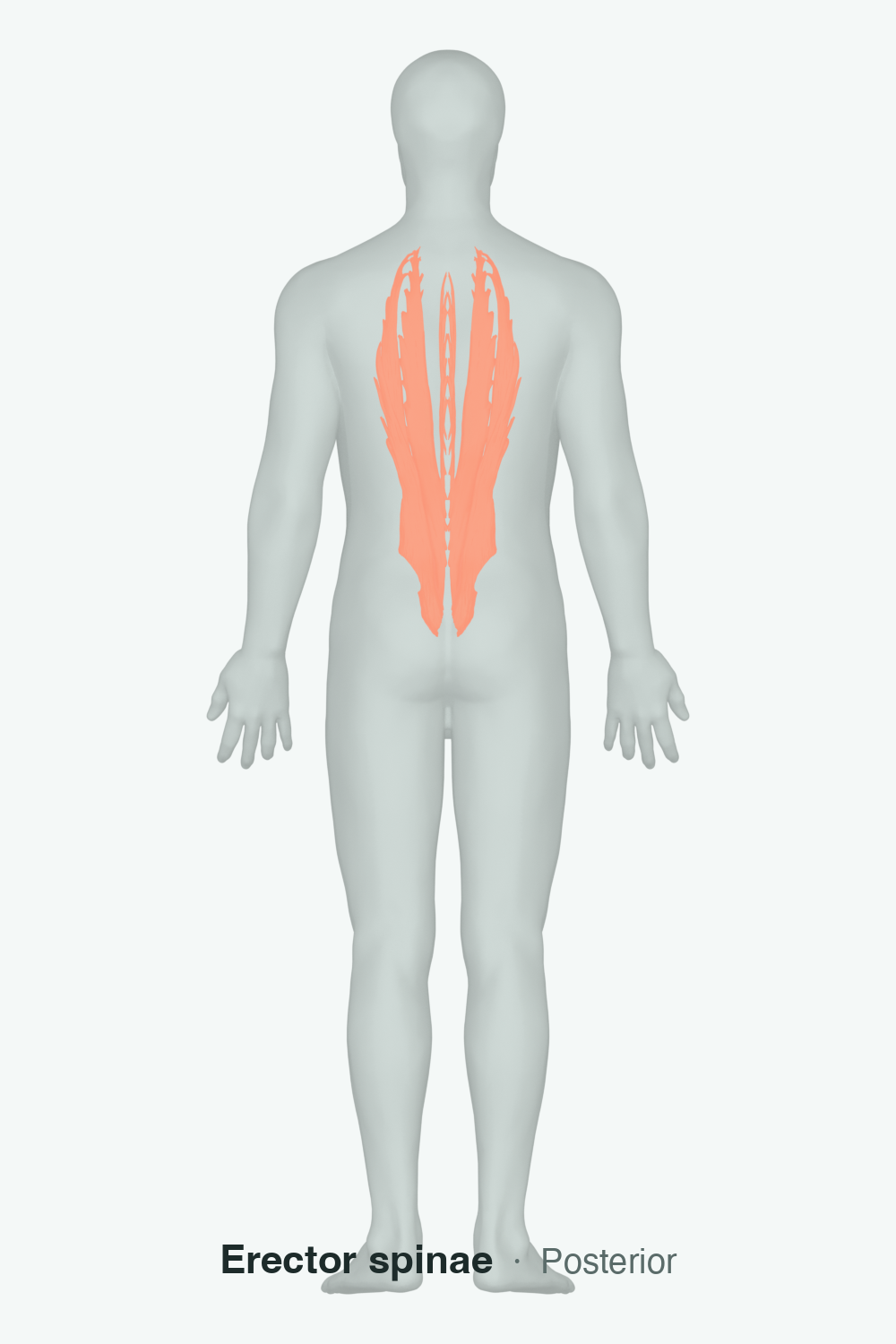
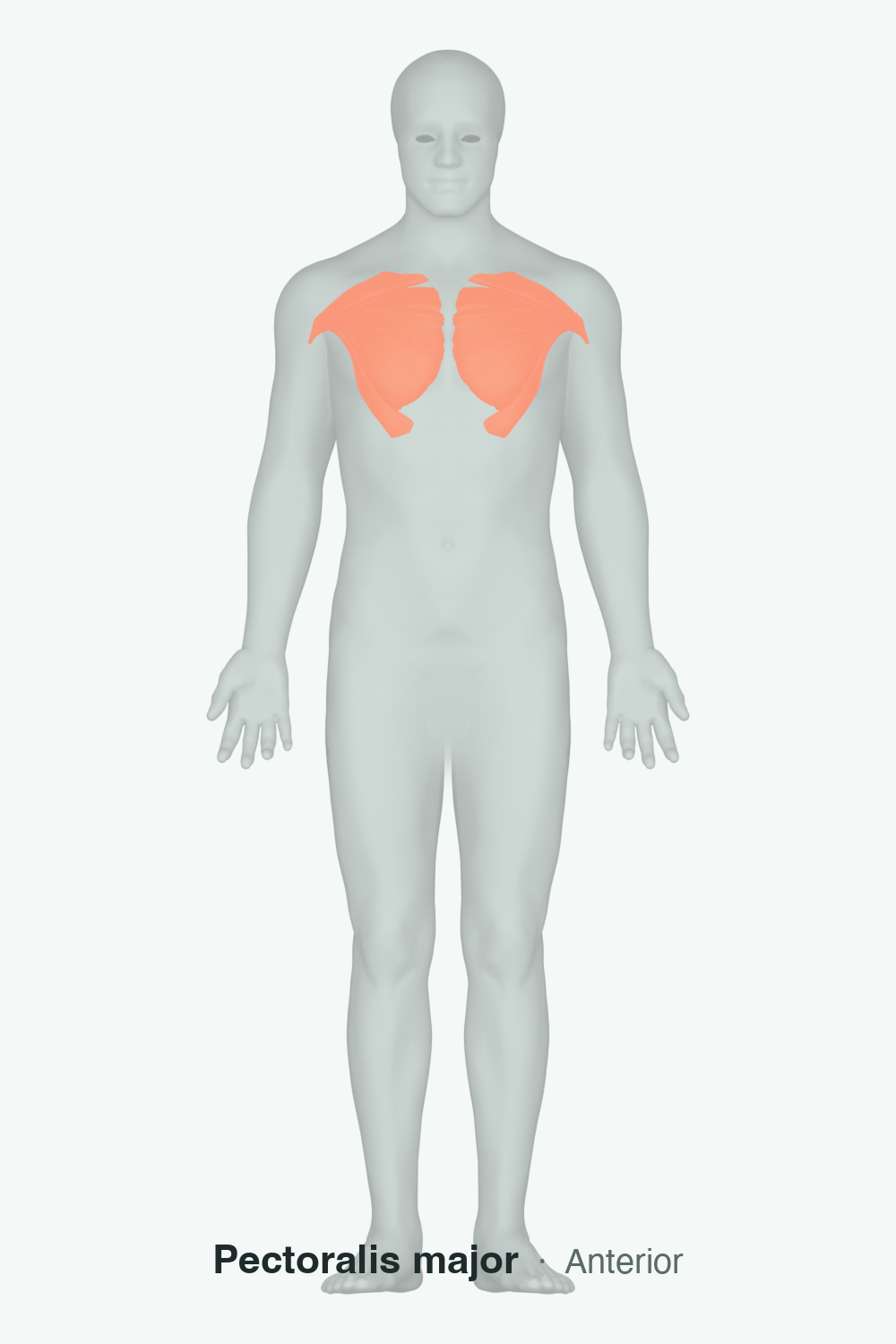
Stretches: erector spinae, pectoralis major