McGill Modified Curl-Up
activatecoreeasyCore / pelvic control
2 × 5 reps
The posture scan does not measure thoracic kyphosis, lordosis, or flat-back posture directly. This exercise may still help mobility and strength that support overall alignment — it is wellness education, not a diagnosis.
An illustration is coming soon. Follow the step-by-step instructions below.
How to do it
- Lie on your back with one knee bent and the other leg straight on the floor.
- Place both hands under your low back to keep the spine in a neutral, slightly arched position.
- Lift your head only about 1 inch off the ground, with no movement in the low back.
- Hold for ~10 seconds, breathing slowly, then relax the head down.
- Progress by bracing the abs first or lifting the elbows off the floor.
Form cues
- Keep the spine in neutral — brace, don't crunch or flatten the back.
- Lift only the head and shoulders a few centimetres.
- Keep the hands under the low back to hold the neutral curve.
Muscles worked
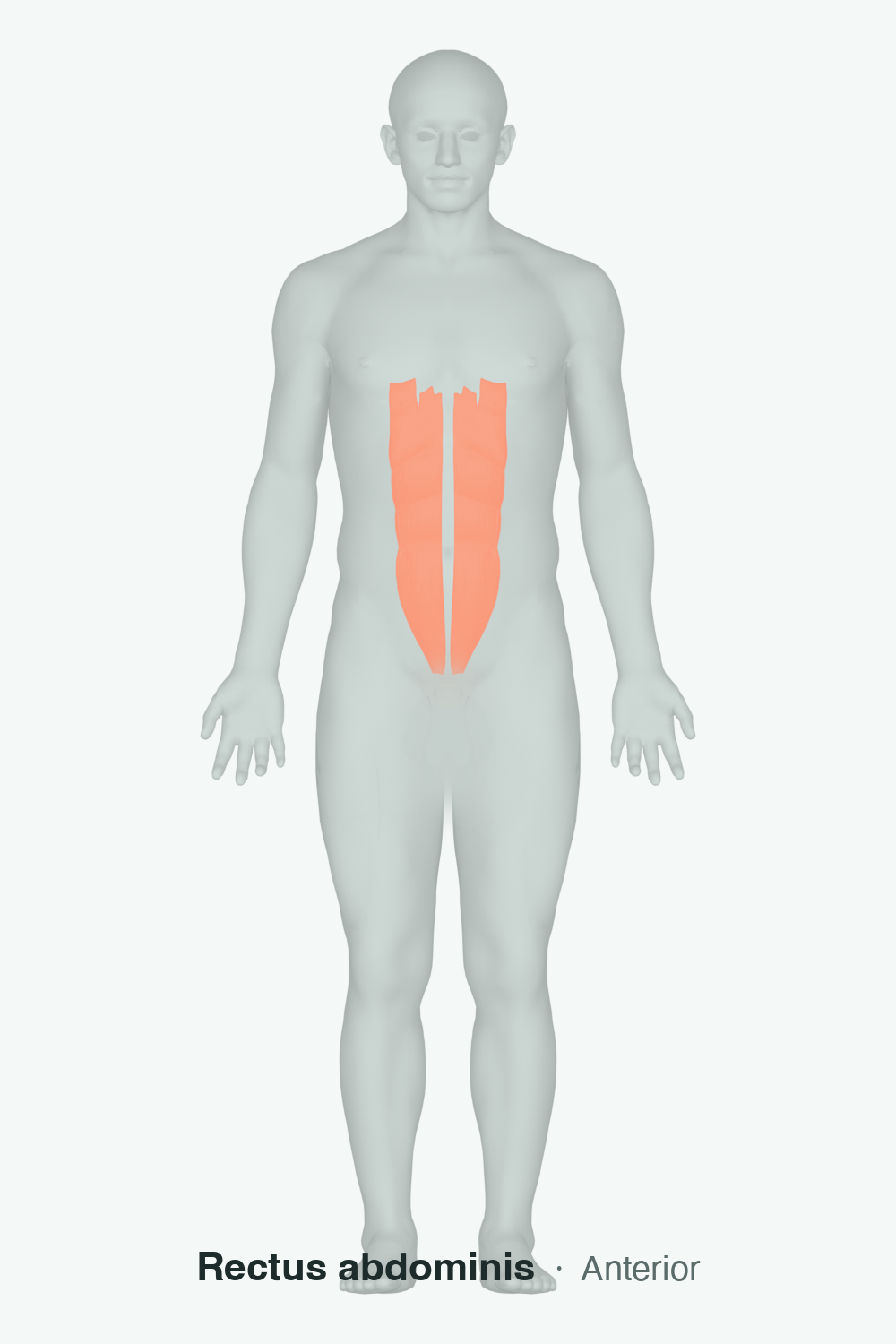
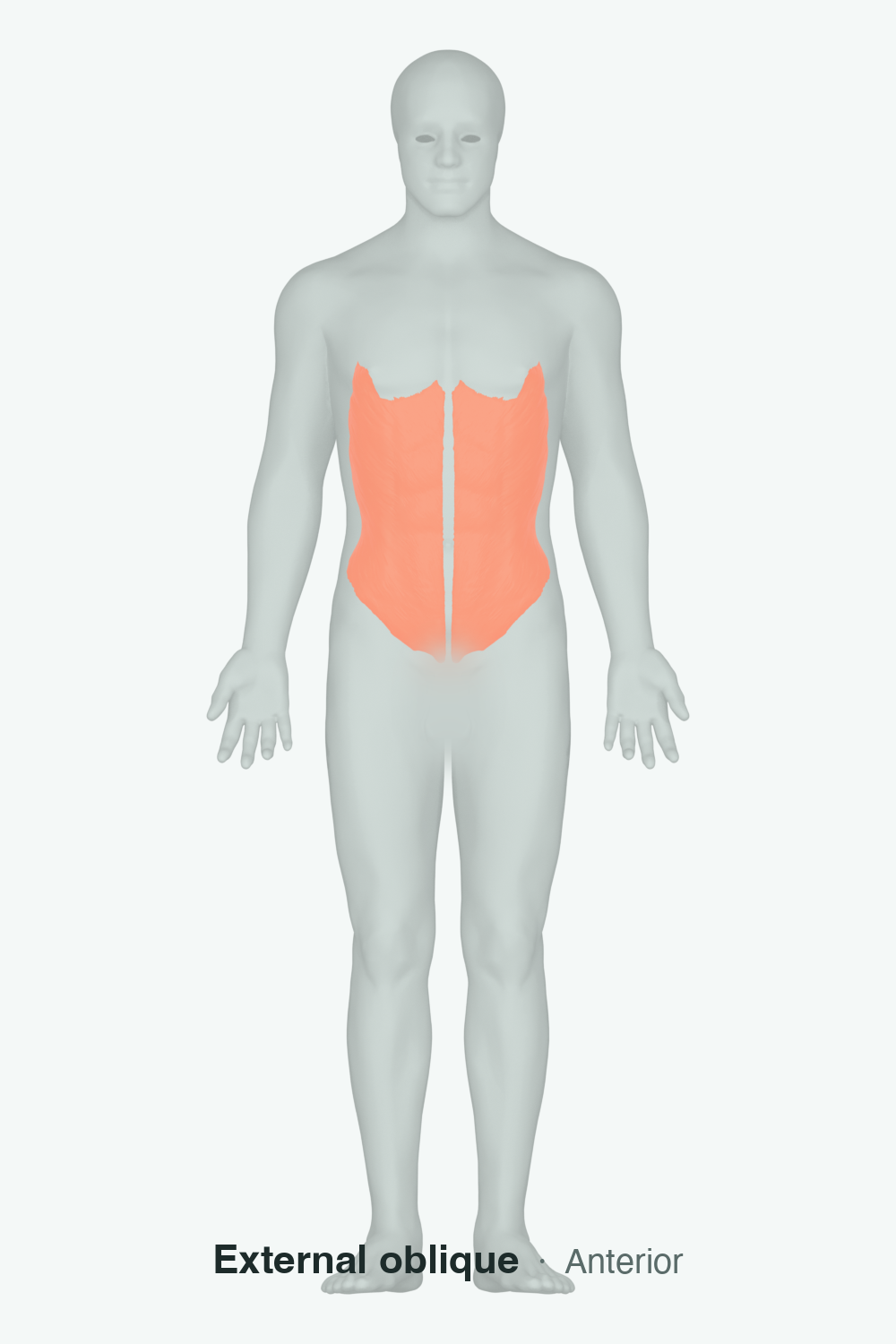
Strengthens: rectus abdominis, obliques
Helps with
Part of a program
Part of Front Splits
This exercise is one move. Front Splits puts it in a plan — so you know what to do, in what order, and how much, week by week.
- Sequenced & dosed — the right exercises, in the right order, at the right volume.
- Progresses with you — difficulty ramps as you get stronger, not on a fixed calendar.
- Personalized — built around the specific limiter actually holding you back.
- Tracks your progress — see what's working and adjust over time.
See the program →
Free · a quick assessment finds your starting point