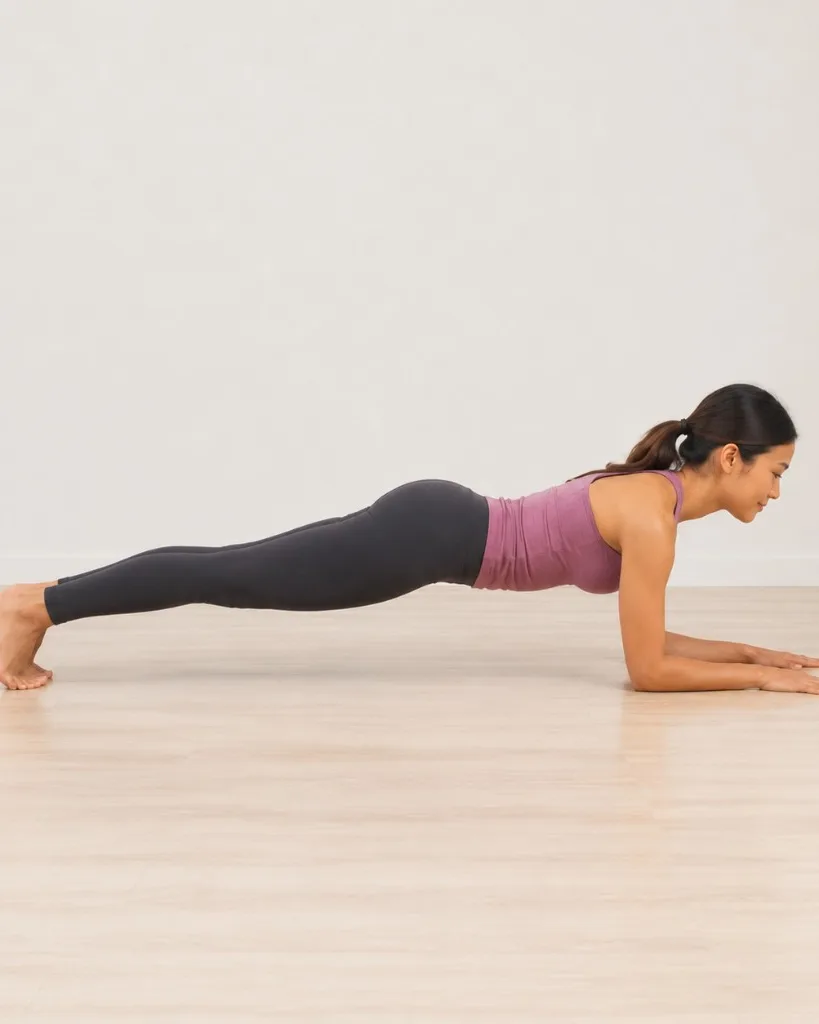
Forearm Front Plank
strengthencoreintermediateisometricfront-splitsCore / pelvic control
3 × 25s
The posture scan does not measure thoracic kyphosis, lordosis, or flat-back posture directly. This exercise may still help mobility and strength that support overall alignment — it is wellness education, not a diagnosis.
How to do it
- Lie face down on the floor, resting on your forearms with your elbows directly under your shoulders.
- Tuck your toes under and lift your body off the floor, forming a straight line from head to heels.
- Gently brace the abdominals and glutes while keeping the head aligned with the spine and the pelvis comfortable.
- Push the floor away through the forearms without excessively rounding between the shoulders.
- Hold while taking steady, controlled breaths and stop before alignment or breathing deteriorates.
Form cues
- Use a knees-down plank or place the forearms on an elevated surface as a regression.
- Create even full-body tension without holding your breath.
- Stop for shoulder, lower-back or neck pain.
Muscles worked
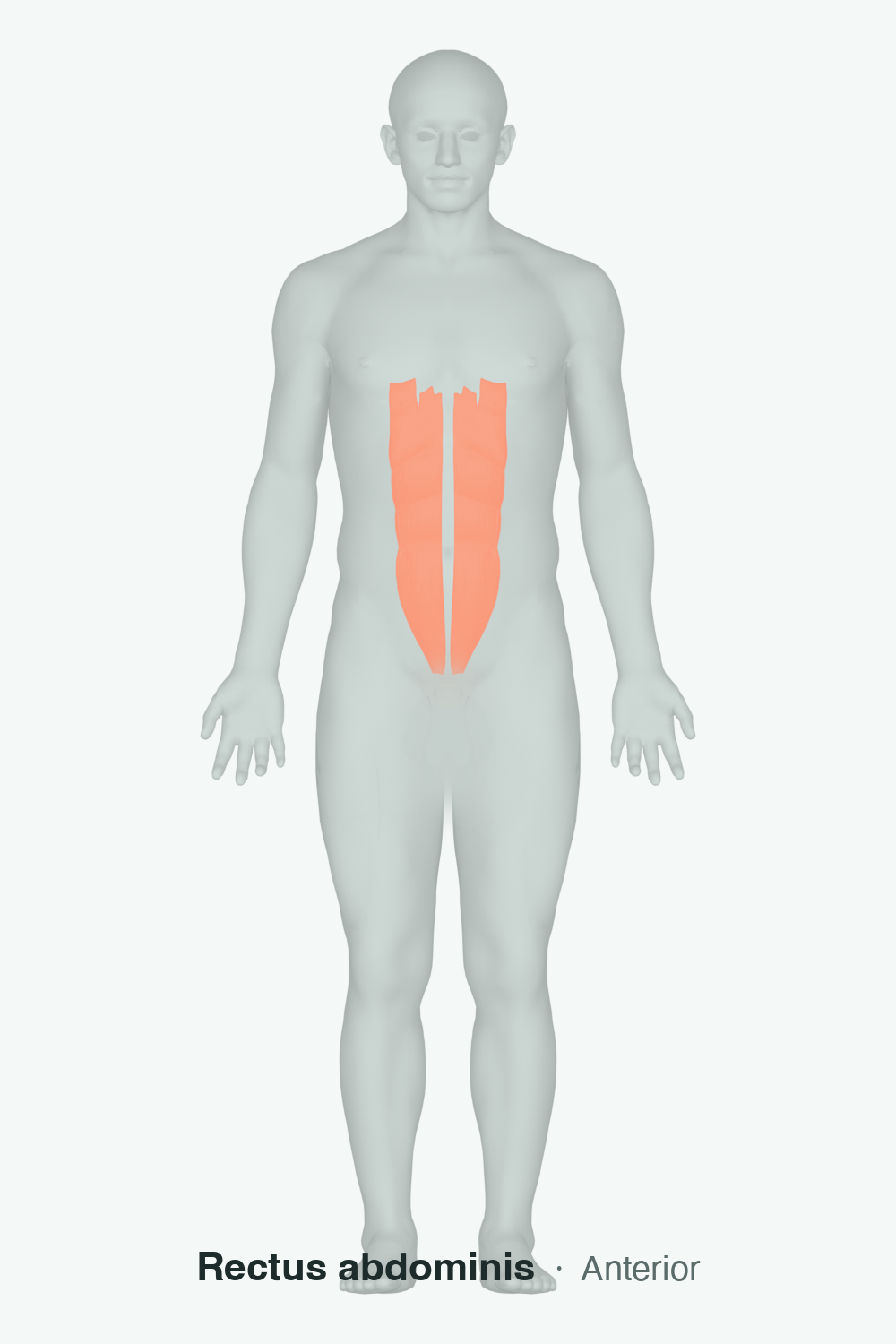
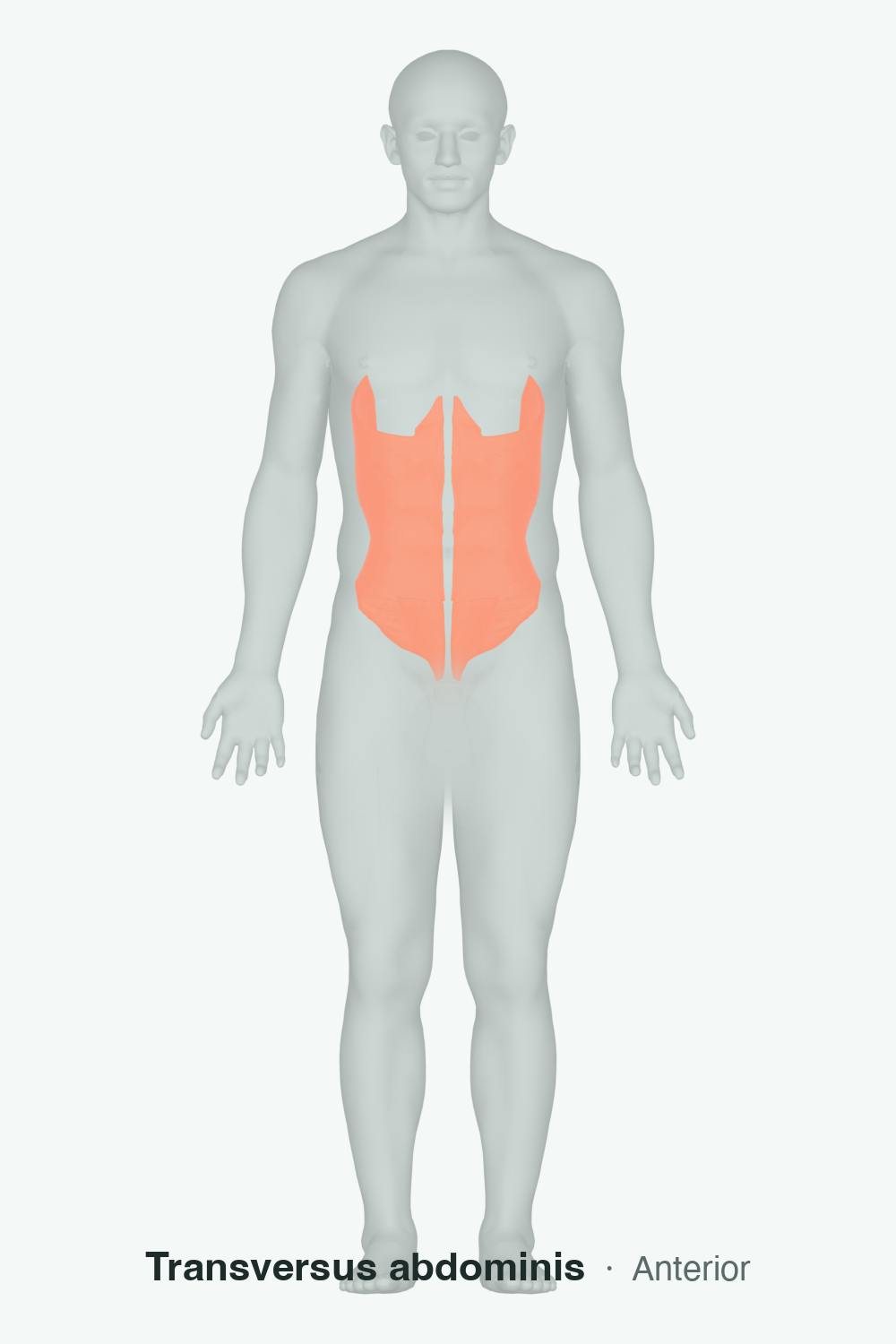
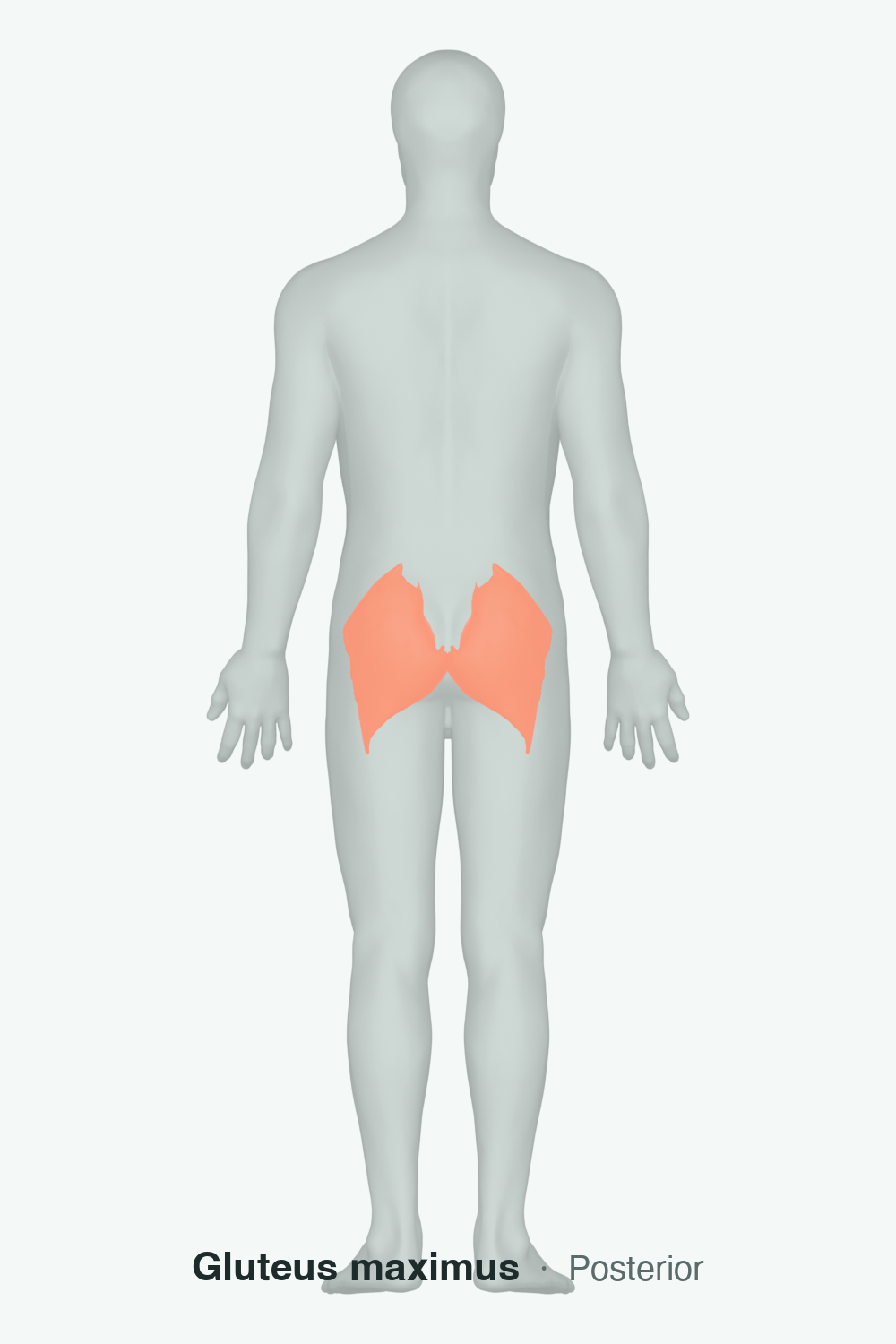
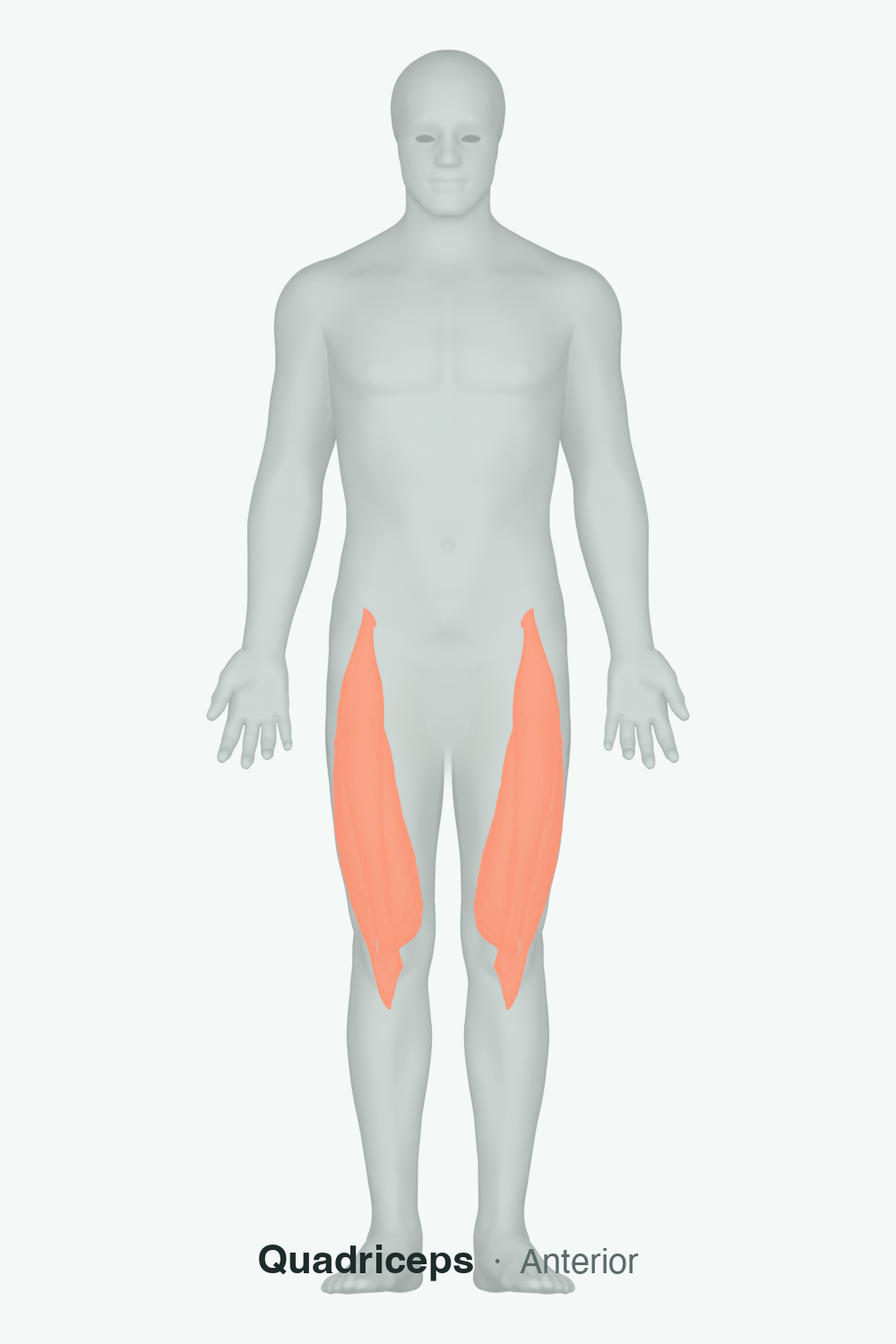
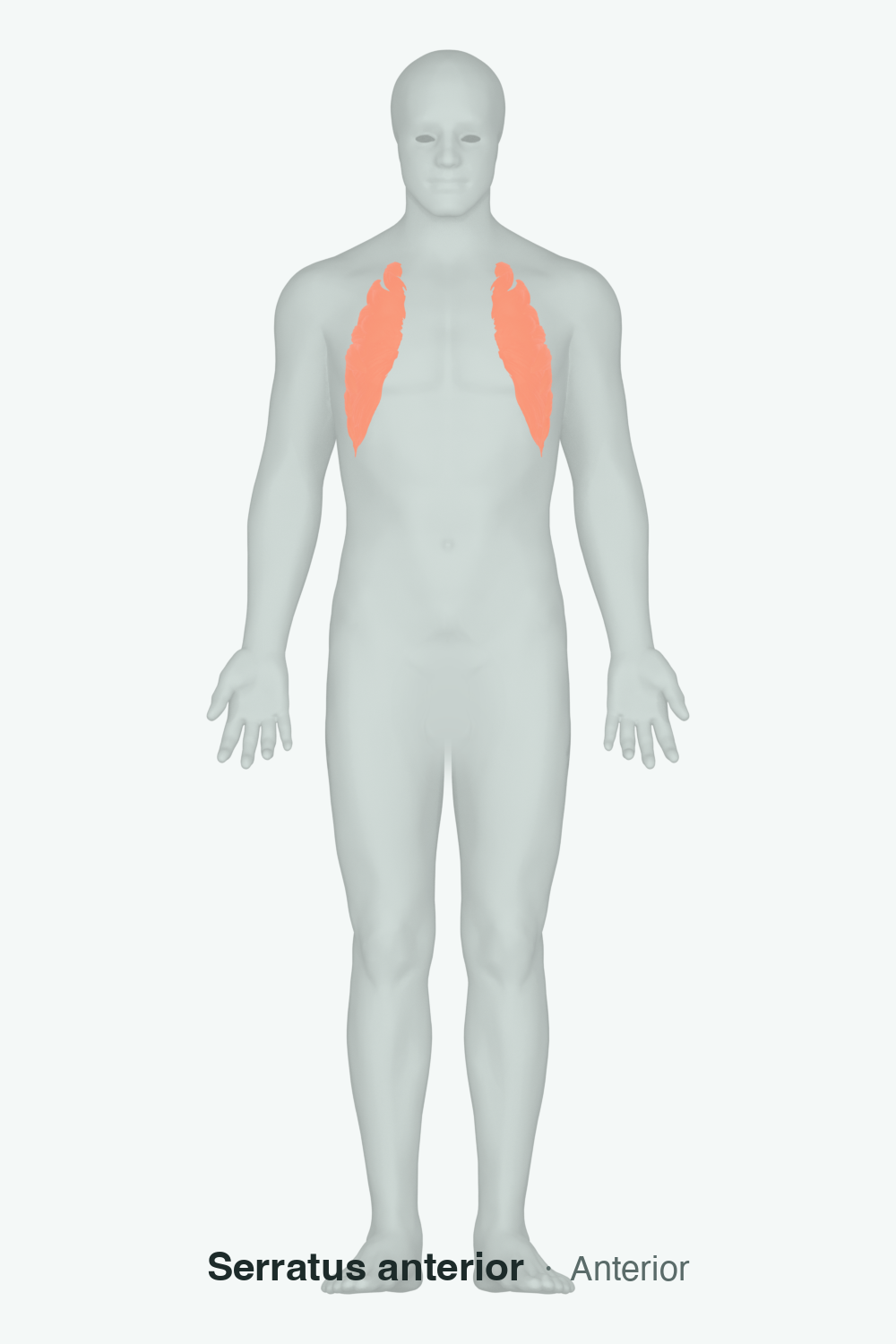
Strengthens: rectus abdominis, core stabilizers, gluteus maximus, quadriceps, serratus anterior, scapular stabilizers
Part of a program
Part of Lower-Body Posture Reset
This exercise is one move. Lower-Body Posture Reset puts it in a plan — so you know what to do, in what order, and how much, week by week.
- Sequenced & dosed — the right exercises, in the right order, at the right volume.
- Progresses with you — difficulty ramps as you get stronger, not on a fixed calendar.
- Personalized — built around the specific limiter actually holding you back.
- Tracks your progress — see what's working and adjust over time.
See the program →
Free · a quick assessment finds your starting point