Corrected Standing Posture & Balance Progression (SMT Static Phase)
activatecore
A video demonstration is coming soon. Follow the step-by-step instructions below.
How to do it
- Correct alignment from the ground up: feet parallel ~shoulder-width with active short foot, COG slightly forward toward the metatarsals.
- Knees slightly bent (no more than ~20 deg) and aligned over the 1st-2nd metatarsals to co-contract leg stabilizers.
- Rotate hips externally using the hip external rotators (not by supinating the foot); activate the abdominal wall to set a neutral pelvis.
- Broaden the shoulders with the scapular fixators and externally rotate the arms; centre the head over the cervical column (correct anterior head carriage).
- Hold this corrected posture, then add graded challenges: weight shifts, light perturbations (anterior, lateral, posterior), and progress base of support from two-leg firm -> one-leg firm -> foam -> rocker -> wobble, first eyes open then eyes closed.
Form cues
- Feel spinal elongation - 'grow' cranially away from the foot arches.
- Watch for faults: toe clawing, knee varus/valgus, oblique pelvis, lumbar hyperlordosis, thoracic hyperkyphosis, poor scapular fixation, anterior head carriage.
- Stop a challenge the moment movement quality deteriorates; quality over fatigue.
Dosage
Progress BOS firm->labile, eyes open then closed; train to quality, not fatigue.
Muscles worked
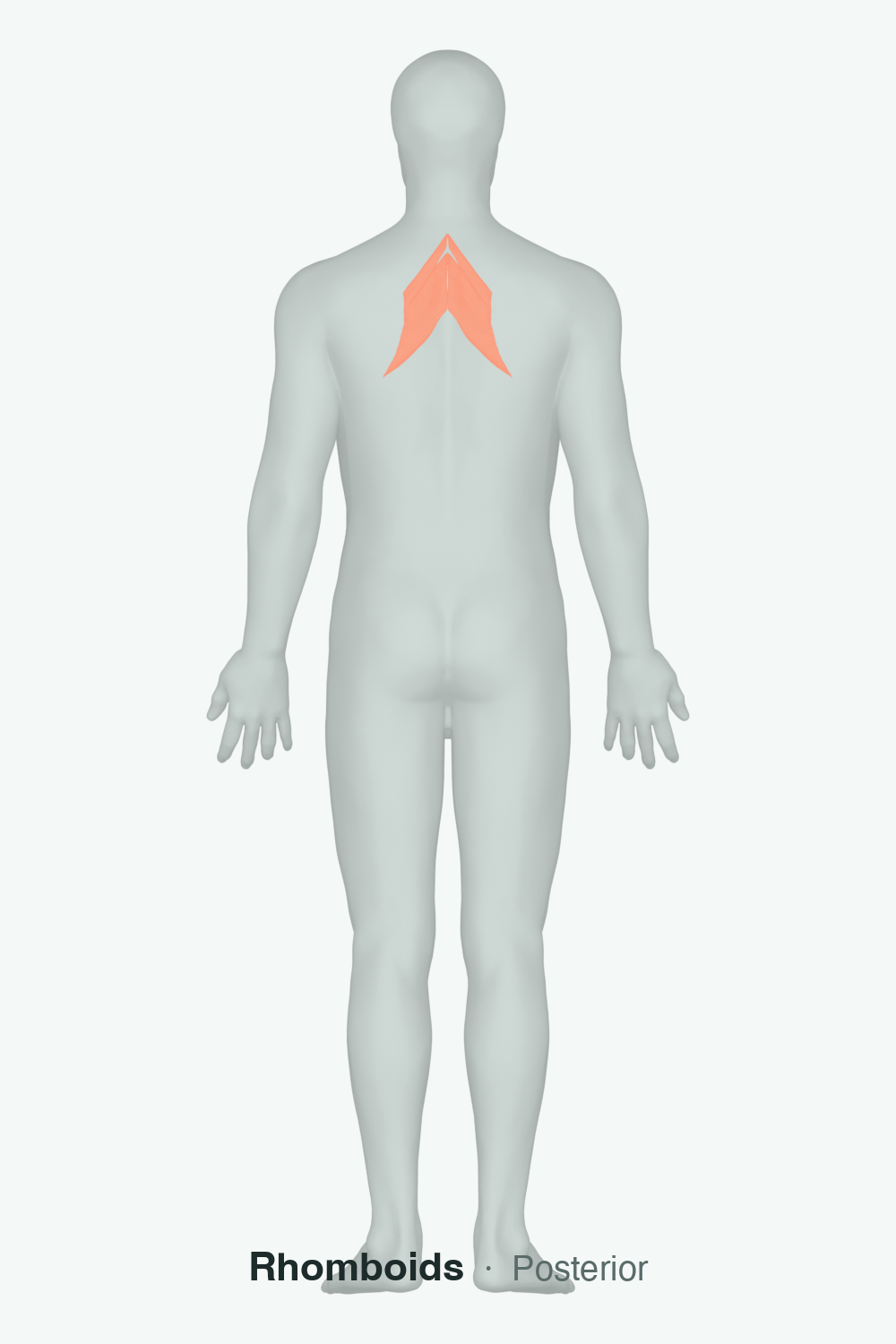
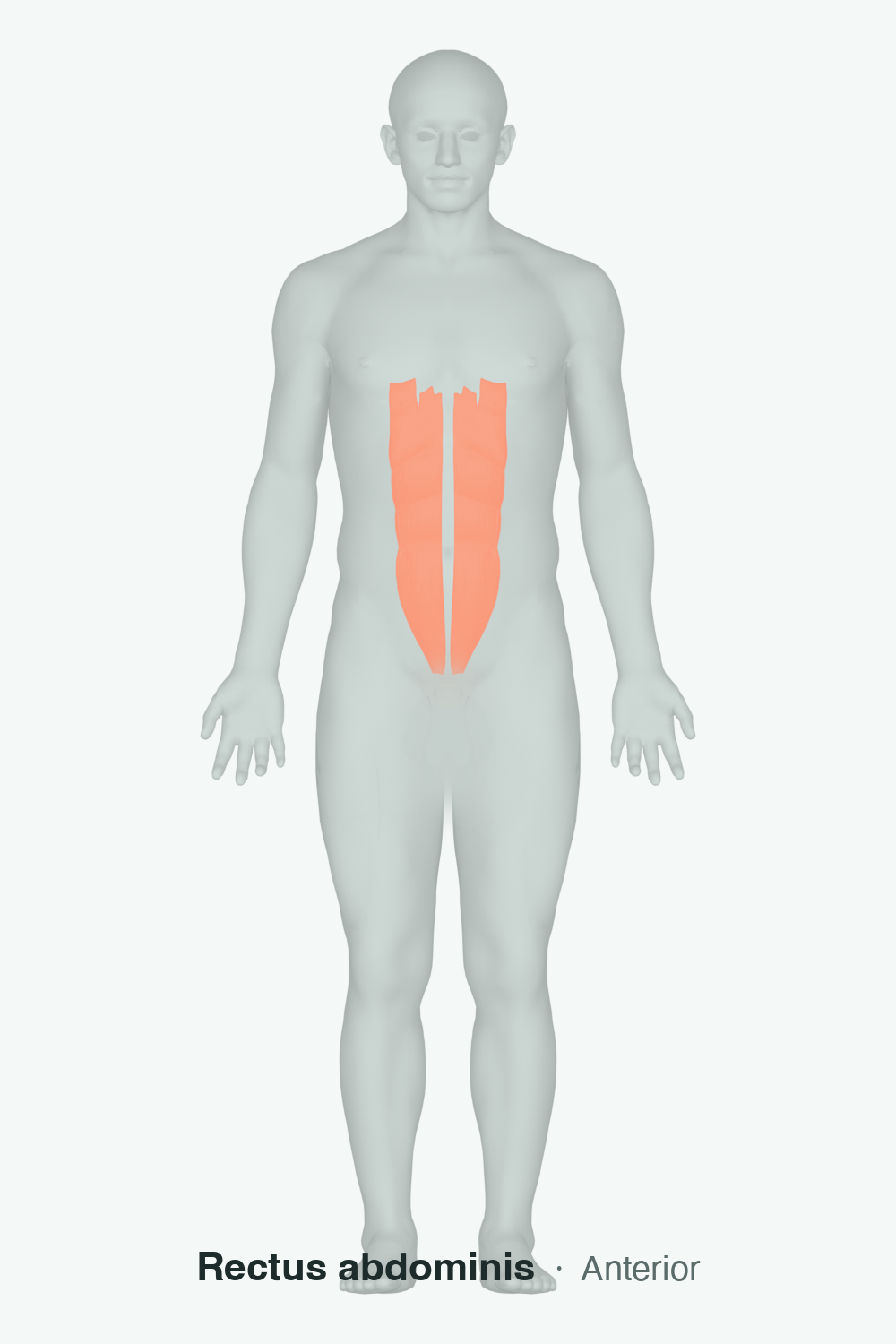
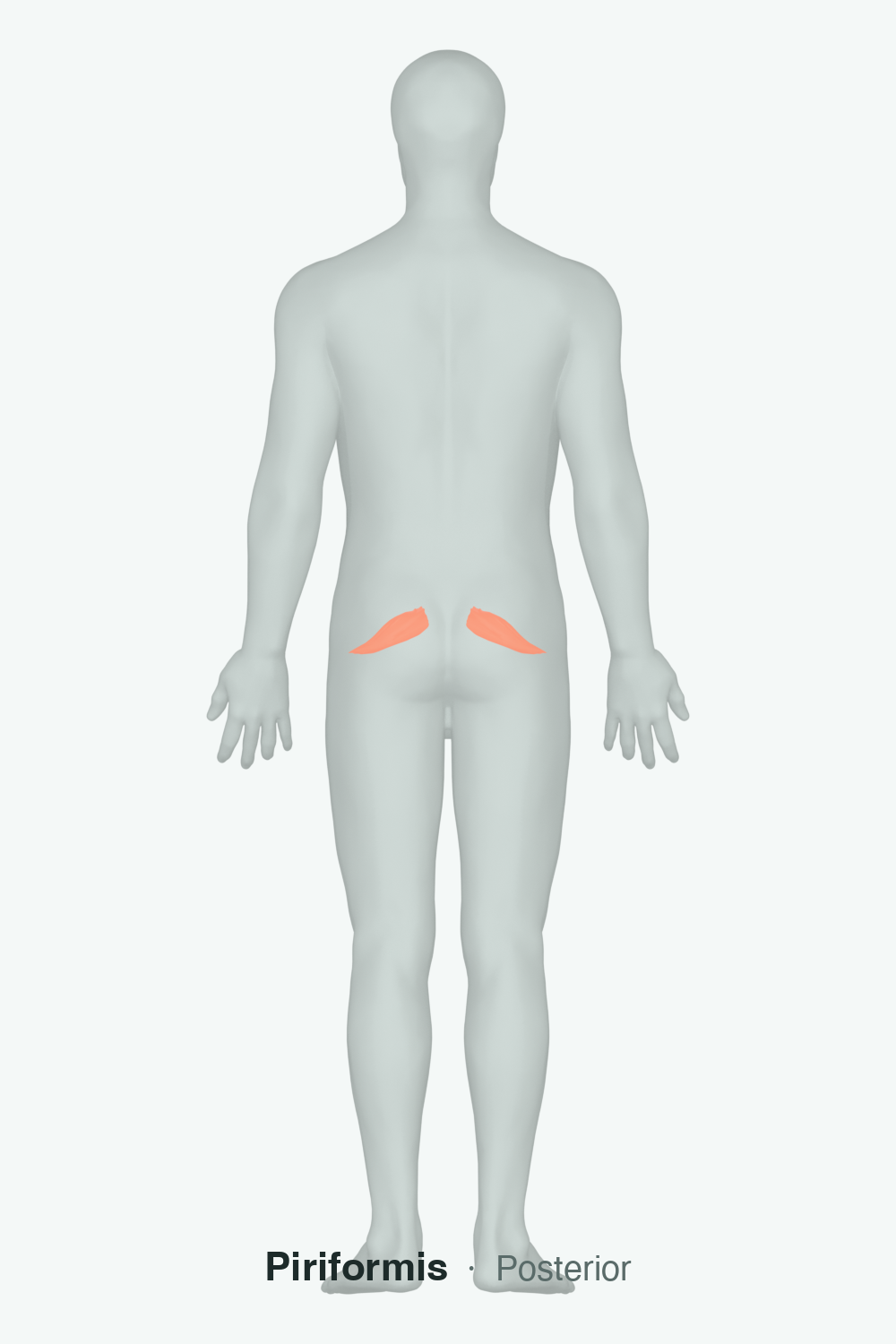
Strengthens: deep spinal stabilizers, scapular fixators, abdominal wall, hip external rotators
Target muscles
Helps with
Related exercises
Reference: Muscle Imbalance (Janda) p.164-166, Fig 11.7-11.9