Undo the desk slump — sit and stand tall again.
A short, flexible routine that loosens a tight neck and chest, frees a stiff upper back, and builds the endurance to hold yourself upright. No assessment — pick your days and length and start.
Build your plan →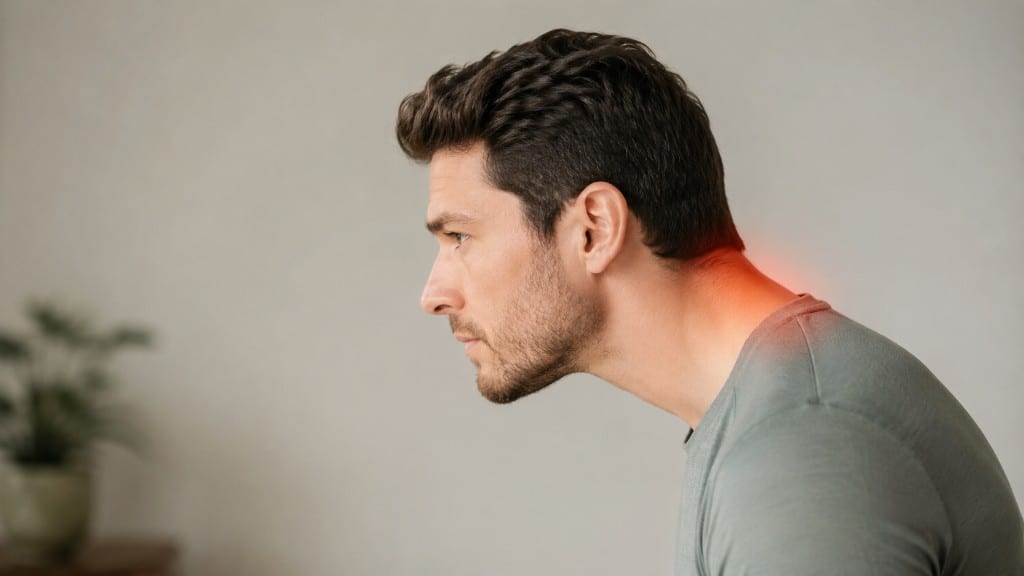
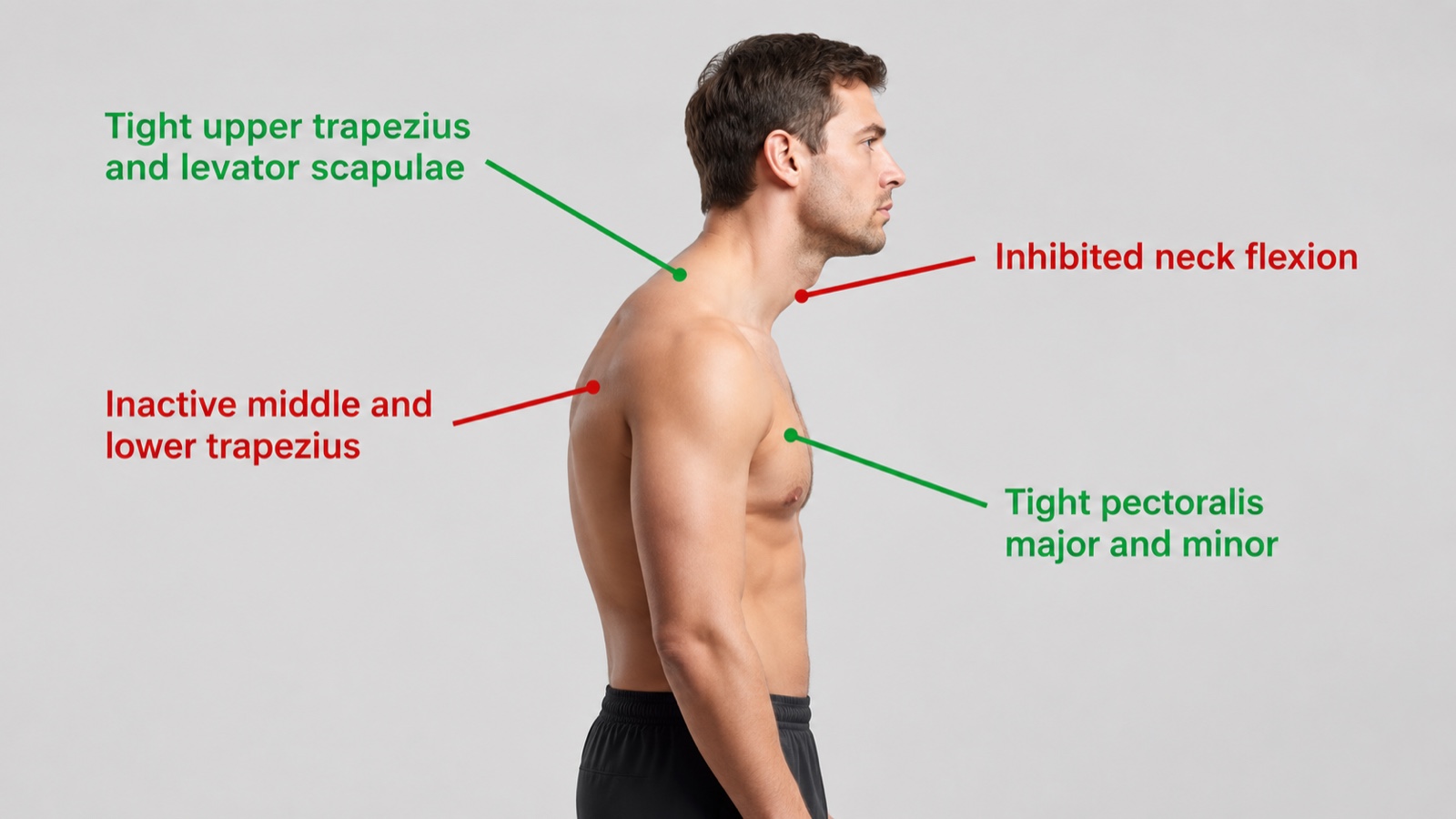
Hours at a desk pull you forward.
Long days hunched over a screen leave the front of your neck and chest tight, your upper back stiff, and the muscles that pull your shoulders back too weak to hold you up. The result is the familiar rounded-shoulder, head-forward slump — and the stiffness that comes with it.

Loosen what's tight. Control what holds you up.
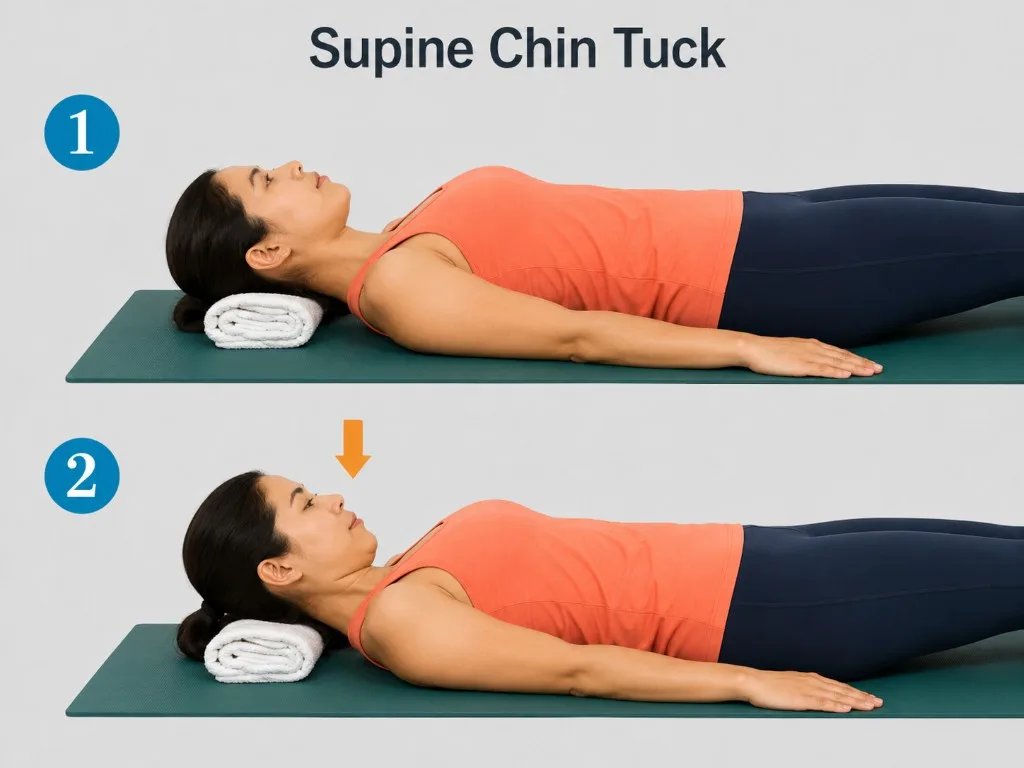
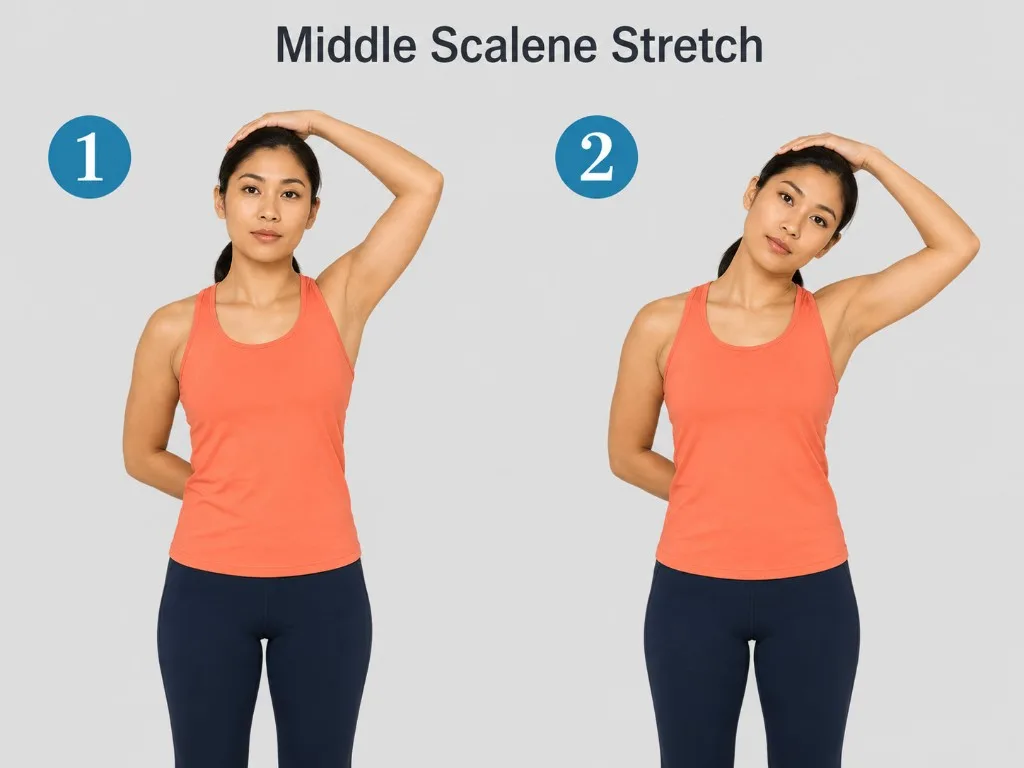
Each short session pairs mobility for the tight front (neck and chest) and stiff middle (upper back) with control and endurance work for the muscles that hold you upright (deep neck flexors, the shoulder blades, and the rotator cuff). It's a mobility, control, and endurance routine — not heavy strength training — and the same sessions build gradually as you add sets, reps, and holds. No assessment, no guesswork.
Six things, working together
Standing tall isn't one stretch or one exercise. The program rotates through these so the tight areas open up and the supporting muscles build the endurance to keep you there.
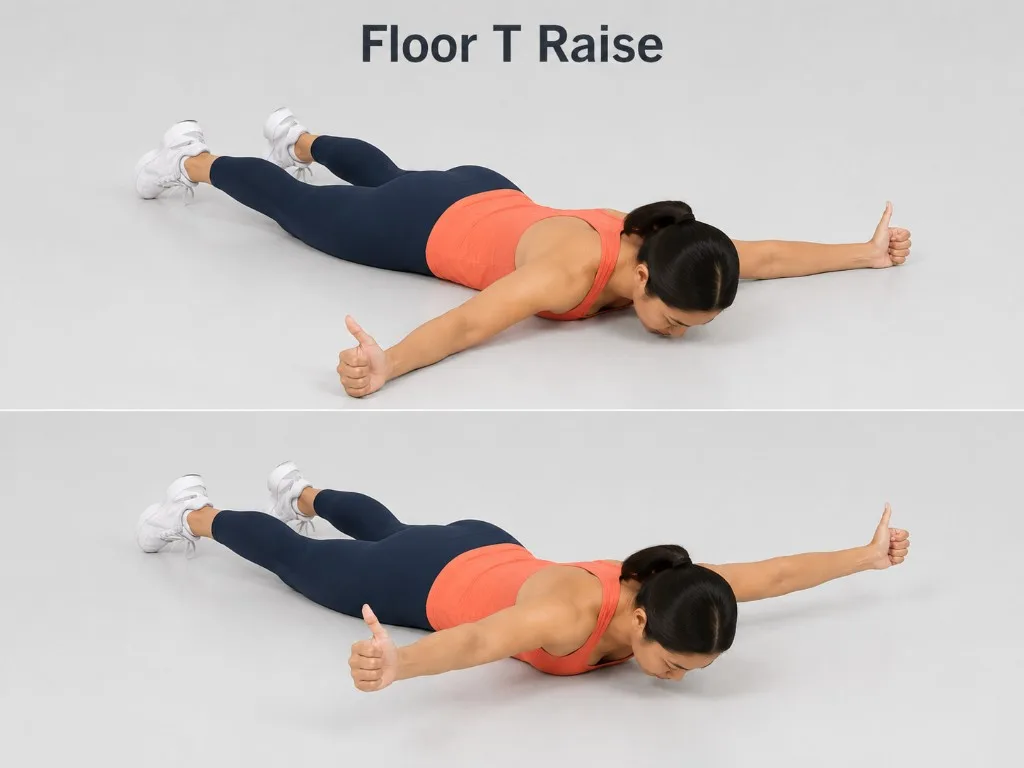
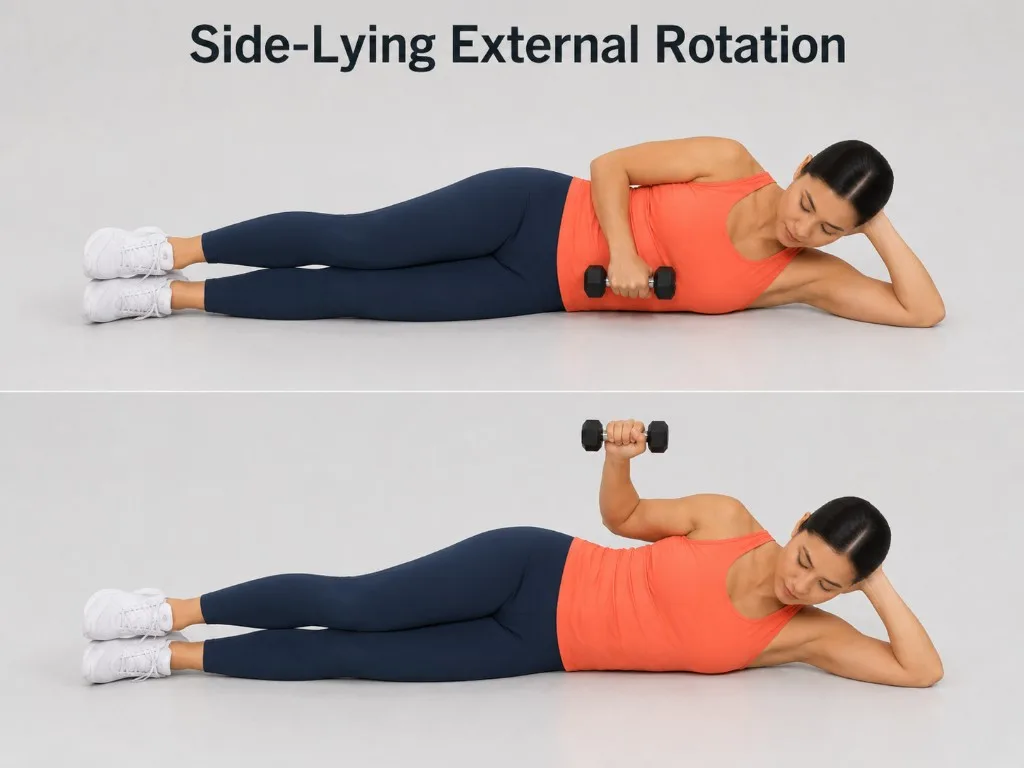
You choose the pace
The program is the same 20 sessions either way — you decide how many you fit in each week, and the length follows. Consistency matters more than cramming: most people notice less neck and shoulder stiffness within the first couple of weeks.
| Days a week | Roughly how long the program runs |
|---|---|
| 3 days / week | ~7 weeks |
| 4 days / week (recommended) | ~5 weeks |
| 5 days / week | ~4 weeks |
Frequently asked questions
Do I need an assessment before starting the upper-body posture reset?
No. This program does not use an assessment. You choose your training days, program length, and starting difficulty, then begin with the same structured themes progressing over time.
How long is each session?
Most sessions are designed to take about 10 to 15 minutes. The exact time depends on the selected exercises, rest, and your pace. Consistent comfortable practice matters more than rushing through the session.
What equipment does the program require?
The plan uses simple mobility, neck-control, shoulder-blade, and rotator-cuff exercises. Individual exercise pages identify any equipment needed and offer modifications where available; many drills use body weight, a wall, or a light resistance band.
Can I use this program for neck or shoulder pain?
The program is educational fitness content, not treatment or a diagnosis. Exercises should remain comfortable. Seek clinical advice for persistent or worsening pain, symptoms after injury, severe headache, dizziness, or numbness, tingling, or weakness in an arm.
Build your plan.
Pick your training days and starting difficulty and you're ready to go — free, private, and flexible.
Build your plan →